What Is Supported Decision-Making?
Everyone has the right to make choices about their own life.
Supported decision-making means a person gets the help they need to understand information, think about their options, and make their own decisions.
It does not mean someone else decides for them.
It means the person stays at the centre of the decision.
We all use support to make decisions
Everyone needs support sometimes.
We might ask a friend for advice before buying a car. We might talk to family before moving house. We might ask a trusted person to come to an appointment. We might look up information online before making a choice.
People with disability have the same right to get support when making decisions.
The difference is that people with disability are often at greater risk of having decisions made for them instead of with them.
Supported decision-making helps protect a person’s right to choice, control, dignity, and independence.
What can supported decision-making look like?
Supported decision-making can look different for each person.
It might include:
Someone explaining information in plain language
Using Easy Read information, pictures, videos, or visual tools
Having extra time to think before making a choice
Talking through different options and possible outcomes
Visiting a place before making a decision
Having a trusted person attend a meeting
Writing down questions before an appointment
Using communication devices or interpreters
Breaking a big decision into smaller steps
Checking that the person understands what has been said
The goal is not to rush the person.
The goal is to give them the information, time, and support they need to make an informed choice.
Supported decision-making is not taking over
There is a big difference between supporting someone and taking over.
Support sounds like:
“What do you want?”
“Would you like me to explain that another way?”
“Do you want more time to think?”
“Do you want to talk through the options?”
“Who would you like with you?”
“What feels right for you?”
Taking over sounds like:
“I know what is best.”
“You cannot decide that.”
“You will do this.”
“That is too hard for you.”
“I already decided for you.”
“They will not understand.”
Good support helps a person use their voice.
It does not replace their voice.
People have the right to take risks
Making choices also means being allowed to take reasonable risks.
Everyone makes decisions that involve risk. Choosing where to live, who to spend time with, what job to take, how to spend money, or what activities to try can all involve risk.
People with disability should not lose their right to make choices just because someone else feels uncomfortable.
The role of supporters is to help the person understand the risks, think about ways to reduce harm, and make an informed choice.
It is not to remove all choice.
A life without choice is not safety. It is control.
Communication matters
Some people communicate with words. Some people use signs, gestures, communication devices, behaviour, facial expressions, pictures, or support from people who know them well.
All communication should be respected.
If someone does not communicate in a way others expect, that does not mean they cannot make choices.
It means people around them may need to listen differently.
Good supported decision-making includes taking the time to understand how a person communicates, what they prefer, and how they show yes, no, uncertainty, distress, interest, or choice.
Supported decision-making can help in everyday life
Supported decision-making is not only for big decisions.
It can be part of everyday life.
It might help someone choose:
What to wear
What to eat
Who to spend time with
What activities to join
How to spend their money
What goals to work towards
Which support worker they prefer
How their support is delivered
Whether to make a complaint
What service provider they want to use
When people are supported to make everyday choices, they build confidence, skills, and independence.
Small choices matter.
They help people practise making bigger decisions too.
Supporters should know their role
Families, carers, friends, support workers, providers, and professionals can all play an important role in supported decision-making.
A good supporter should:
Listen to the person
Respect the person’s choices
Provide information in a way the person can understand
Give the person time to think
Avoid pressure or manipulation
Help the person explore options
Respect privacy and confidentiality
Check if the person wants support
Accept that the final decision belongs to the person
Supporters should also be aware of their own opinions.
It is okay to share information, but it is not okay to push someone into the choice you prefer.
When decisions are ignored
Sometimes people with disability are left out of decisions about their own lives.
This can happen in meetings, services, health appointments, schools, workplaces, housing, family conversations, or support planning.
Signs that a person is not being properly included may include:
People talking about them instead of to them
Decisions being made before they are asked
Information not being explained clearly
No time being given to think
The person being pressured to agree
Their communication being ignored
Their preferences being dismissed
Their choices being treated as less important
This is not person-centred support.
People with disability have the right to be part of decisions that affect them.
What can you do if you need support to make decisions?
If you need support to make a decision, you can ask for it.
You might say:
“I need more time.”
“Can you explain that in plain language?”
“I want someone I trust with me.”
“Can you write that down?”
“I need to see the options.”
“I want to think about this before I answer.”
“I do not understand yet.”
“I want to make this decision myself.”
You can also ask an advocate to help you understand your rights, prepare for meetings, and speak up if decisions are being made without you.
What can services do better?
Services and organisations can support decision-making by building it into everyday practice.
This includes:
Providing accessible information
Speaking directly to the person
Allowing time for questions
Offering Easy Read or plain language resources
Checking how the person prefers to communicate
Making sure meetings are not rushed
Supporting people to bring someone they trust
Recording the person’s views clearly
Training staff in rights-based practice
Respecting choice, even when it is not the choice staff expected
Supported decision-making should not be treated as an extra. It should be part of respectful and safe support.
Final message
Supported decision-making is about rights, respect, and choice.
It helps people understand information, explore options, and make decisions about their own lives.
People with disability should not have decisions taken away because they need support.
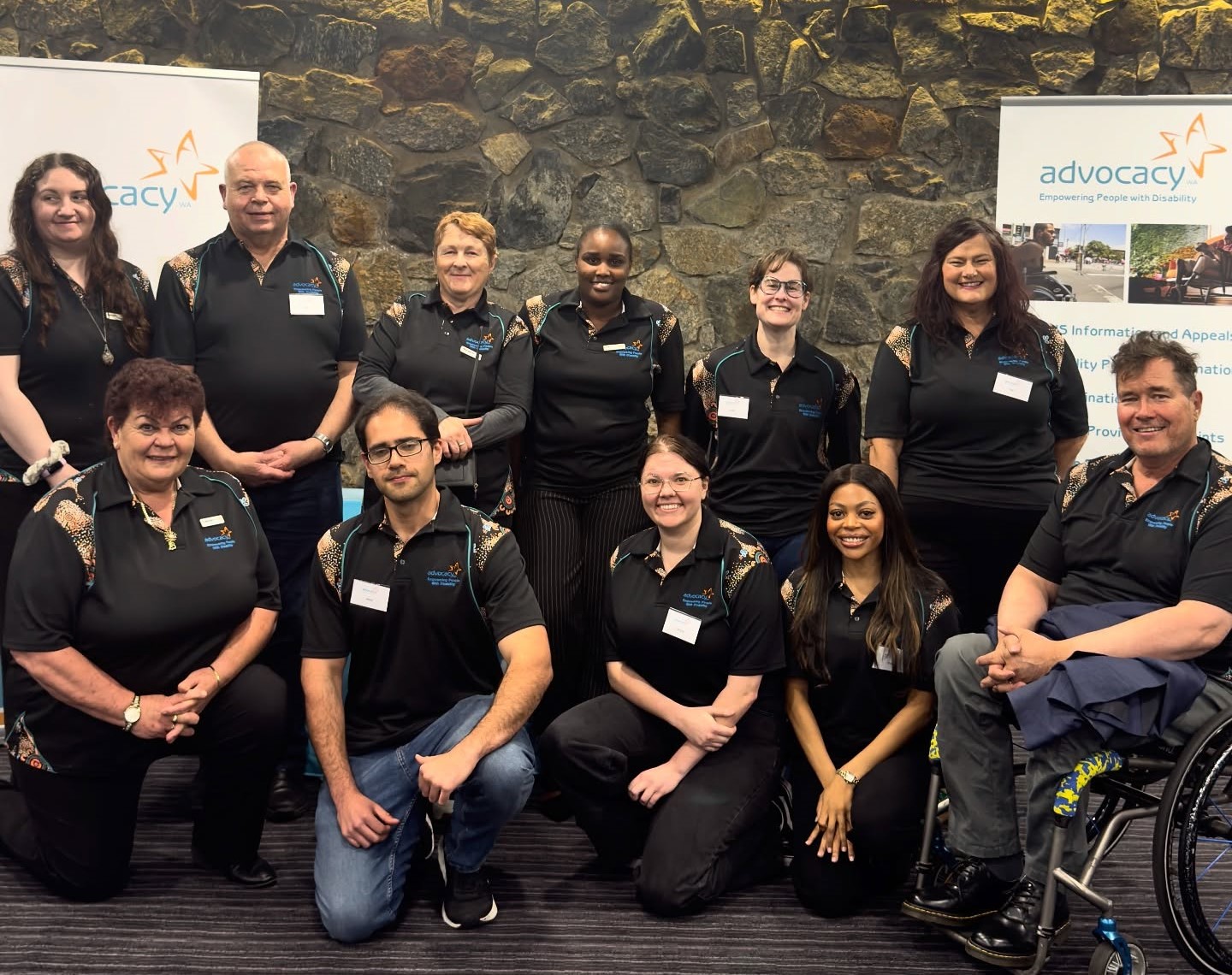
At Advocacy WA, we believe people with disability have the right to be heard, included, and supported to make choices in ways that work for them.


.png)
.png)
.png)
.png)
.png)


.png)
.png)
.png)
.png)
.png)
.png)
.png)



.png)
.png)




.png)


.png)
.png)
.png)
.png)
.png)

.png)
.png)
.png)
.png)
.png)

.png)
.png)

.png)
.png)