you CAN ask that January 2026
Welcome to the January edition of You CAN Ask That.
This series is about creating space for honest questions and real answers, led by people with disability and lived experience. Thank you to everyone who took the time to submit questions this month. Your curiosity, openness, and willingness to learn helps build stronger, more inclusive communities.
If you have a question you would like to ask in a future edition, we would love to hear from you. No question is too small, too simple, or not worth asking.
You can submit your questions here
https://wkf.ms/3NxPstu
This month’s questions
When you are meeting a new support worker, teacher, employer, or service provider, what is one thing you wish they would ask you instead of assuming?
“When I meet a new support worker, teacher, employer, or service provider, I wish they would ask me what support I actually want or need instead of assuming what I can and can’t do. Too often, people talk to me as if my disability defines my abilities, rather than seeing me as a whole person.
I have spent a long time learning how to ask for help, especially because my husband and I have been doing things independently together for so long that we naturally work in sync. Most of the time, I do not need step by step assistance, and when I do, I am capable of asking for it.
It can be frustrating when support workers rush in to do tasks for me without checking first, assuming I am unable rather than unavailable. While I know their intentions are usually kind, it can feel disempowering and dismissive. A simple question like, ‘How would you like me to support you?’ would go a long way in respecting my autonomy and reminding me that I am seen as capable, not helpless.”
“Whenever I meet anyone new, especially someone I need to work with in any way, I want them to ask me before making assumptions about my capabilities, likes or dislikes, or whether I need help. This is important because it allows me to feel safe in the interaction. It also helps the other person feel confident that they will not say or do something that might upset me, which is often a fear people have.
My superpower is that I can make things that are incredibly easy for me seem incredibly difficult. Because of this, people often jump in to help without asking first. Sometimes this actually leads to injuries for me or for them. If someone thinks I am struggling, I would prefer they ask, ‘Do you need a hand?’ Then I can say yes or no, and if yes, explain how to help safely. This makes things easier for everyone.
Because of the way I look, people sometimes assume my disability means I cannot understand them or speak for myself. They will talk down to me or direct questions about me to the person I am with instead. This is unnecessary, infantilising, and very offensive. I would prefer anyone new I meet always speaks directly to me, just as they would with any other adult.”
“I wish people would ask me what support looks like for me, rather than assuming they already know. What works for one person with disability does not always work for another. Asking me directly shows respect and helps build trust from the start.”
Can you share an example of a time when an adjustment or accommodation worked really well for you, and what made the difference?
“At a workplace, my manager checked in with me about communication preferences and agreed to follow up meetings with written summaries. That small adjustment made a huge difference. I could process information at my own pace and felt more confident asking questions later.”
What is one everyday barrier you face that people without disability might not notice or think about?
“One everyday barrier I face that people without disability often do not notice is being invited but not truly considered. I get invited to social events, but accessibility is rarely thought about until I bring it up. That puts me in the position of having to remind people that the place they have chosen is not accessible to me.
Sometimes my husband and I will check ahead of time, and if it is not accessible, we will politely decline and explain why. After that, one of two things usually happens. Either the invitations slowly stop altogether, or my husband continues to be invited without me. Both situations feel incredibly dismissive and hurtful.
In other cases, I am labelled as awkward or told I need to try harder to fit in, as if the problem is my attitude rather than the physical barriers excluding me. The hardest part is not just the inaccessibility itself, it is the emotional labour of constantly advocating for myself and being made to feel like an inconvenience for needing basic access.”
“The biggest everyday barrier I face is the lack of expectation placed on me as a disabled person. I have experienced this in the workplace, where professional development opportunities offered to colleagues at the same level as me were not offered to me.
I have experienced it at comedy shows, where performers engaged in crowd work with everyone except me, skipping over me entirely. I have experienced it at polling stations on election day, where everyone I was with was handed how to vote cards, while I was completely ignored. The assumption being that I was not there to vote.
These moments send a clear message that people do not expect me to participate, contribute, or belong, even when I am physically present.”
“Noise and lighting in public spaces can be overwhelming. People often think of access as just ramps, but sensory environments matter too. Loud music, bright lights, or crowded layouts can make spaces inaccessible even when they are physically accessible.”
If you could give one piece of advice to organisations or community groups about being more inclusive, what would it be?
“If I could give one piece of advice to organisations or community groups, it would be to make sure your information is accessible to as many people as possible. Websites, pamphlets, and handouts should be available digitally and designed to work with screen reading software. Images and graphics should have descriptions, as screen readers cannot always interpret them automatically.
Printed materials should also be available in large print and Easy Read formats. Even in 2026, it is still common for me to be unable to access basic information online because websites are not compatible with screen readers. This is incredibly disappointing, especially when so many organisations now offer accessibility audits and support to improve digital access.”
“Include people with disability early, not as an afterthought. Ask for input during planning, not just feedback at the end. Co designing with people who have lived experience leads to better outcomes for everyone.”
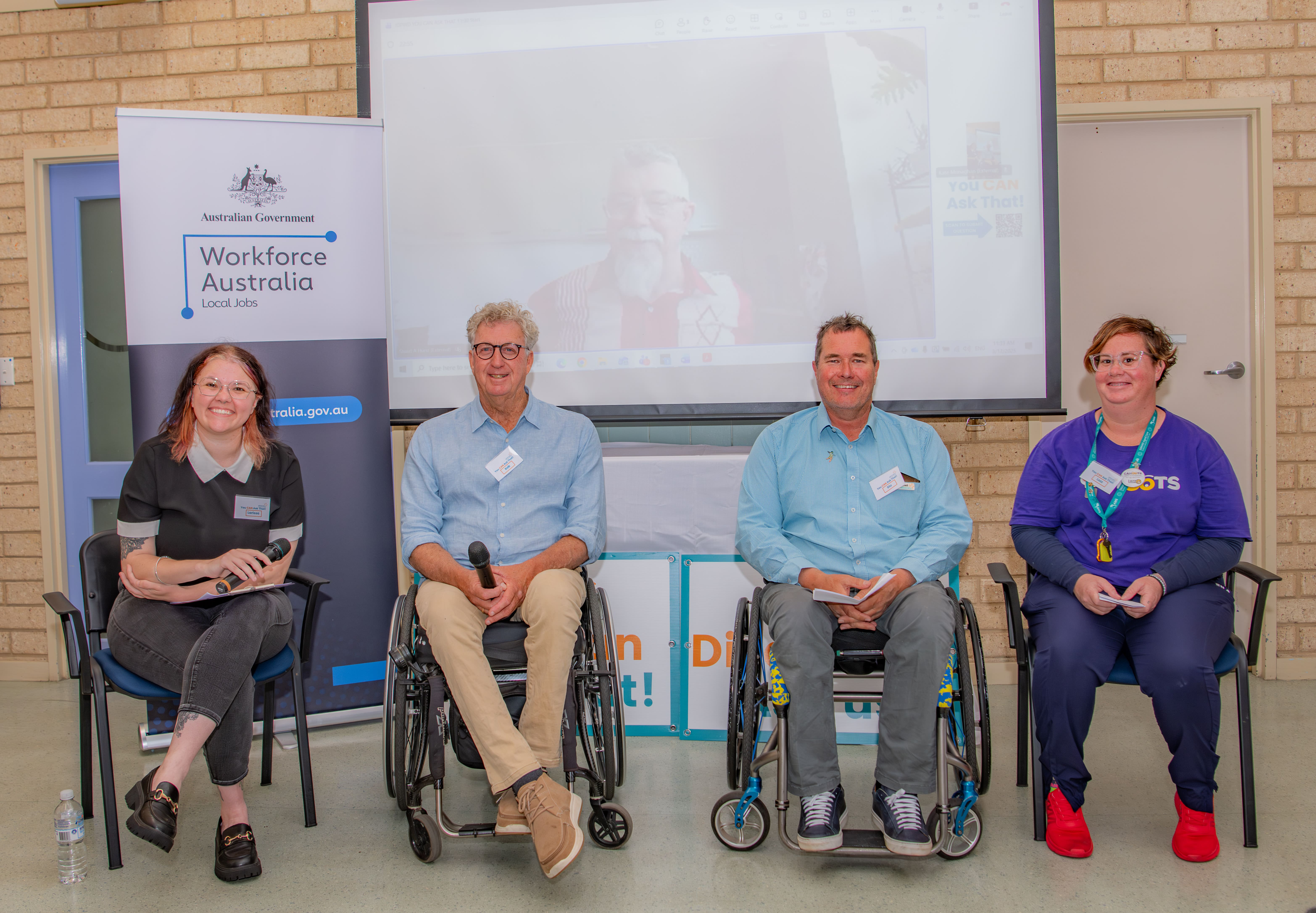
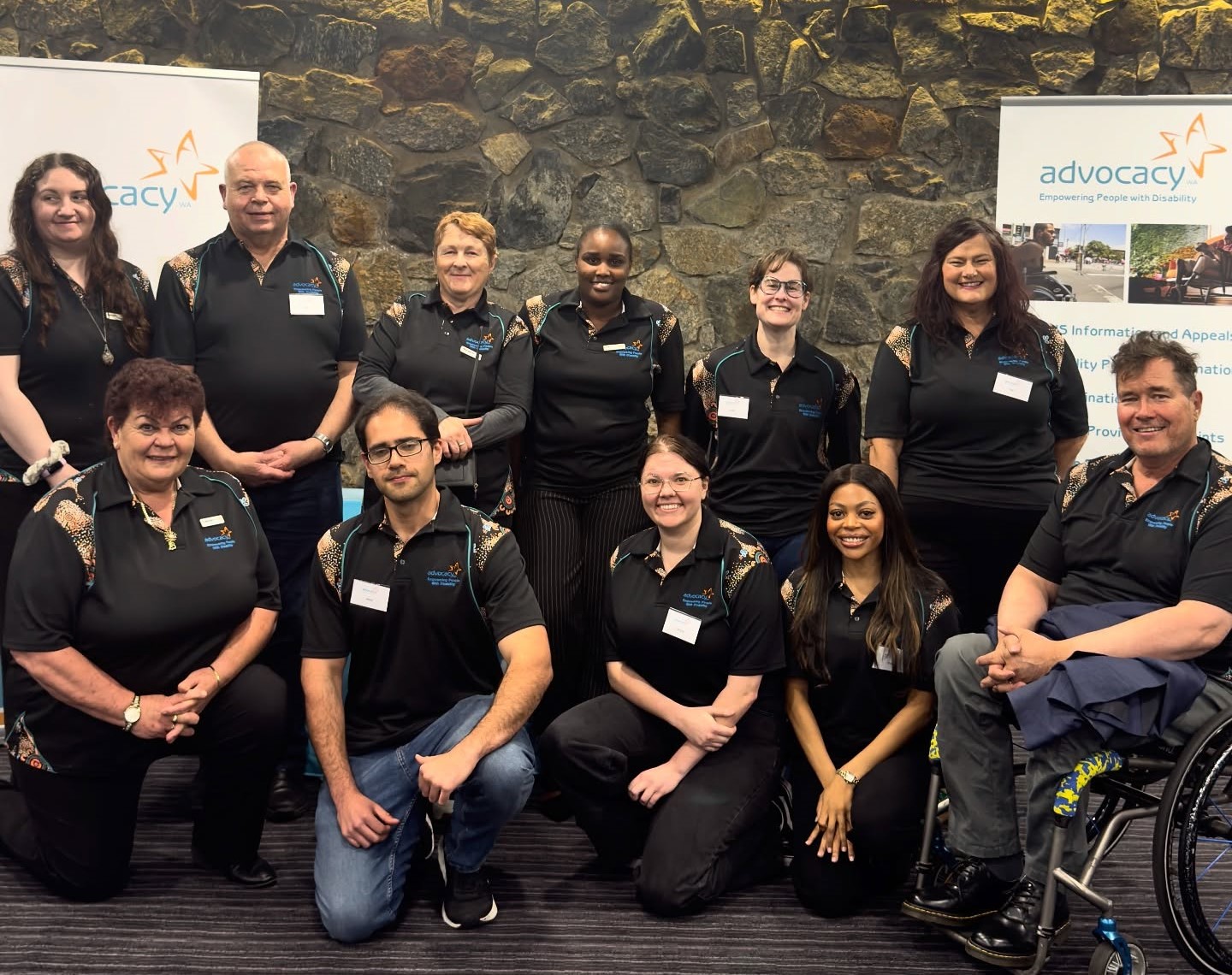
Thank you to our panel
A heartfelt thank you to our panel members for sharing their time, experiences, and insights so generously. These responses are powerful because they come from lived experience, and they help challenge assumptions, spark learning, and create more inclusive conversations across our communities.
If you are a person with lived experience and would like to be involved in future You CAN Ask That panels, we would love to hear from you. Expressions of Interest to join our panel can be submitted here
https://wkf.ms/3LrHGRi
Your voice matters, and your experience can help create change.


.png)
.png)
.png)
.png)
.png)


.png)
.png)
.png)
.png)
.png)
.png)
.png)


.png)
.png)

.png)


.png)
.png)
.png)
.png)
.png)

.png)
.png)
.png)
.png)
.png)

.png)
.png)

.png)
.png)