You do not have to earn the right to be treated well
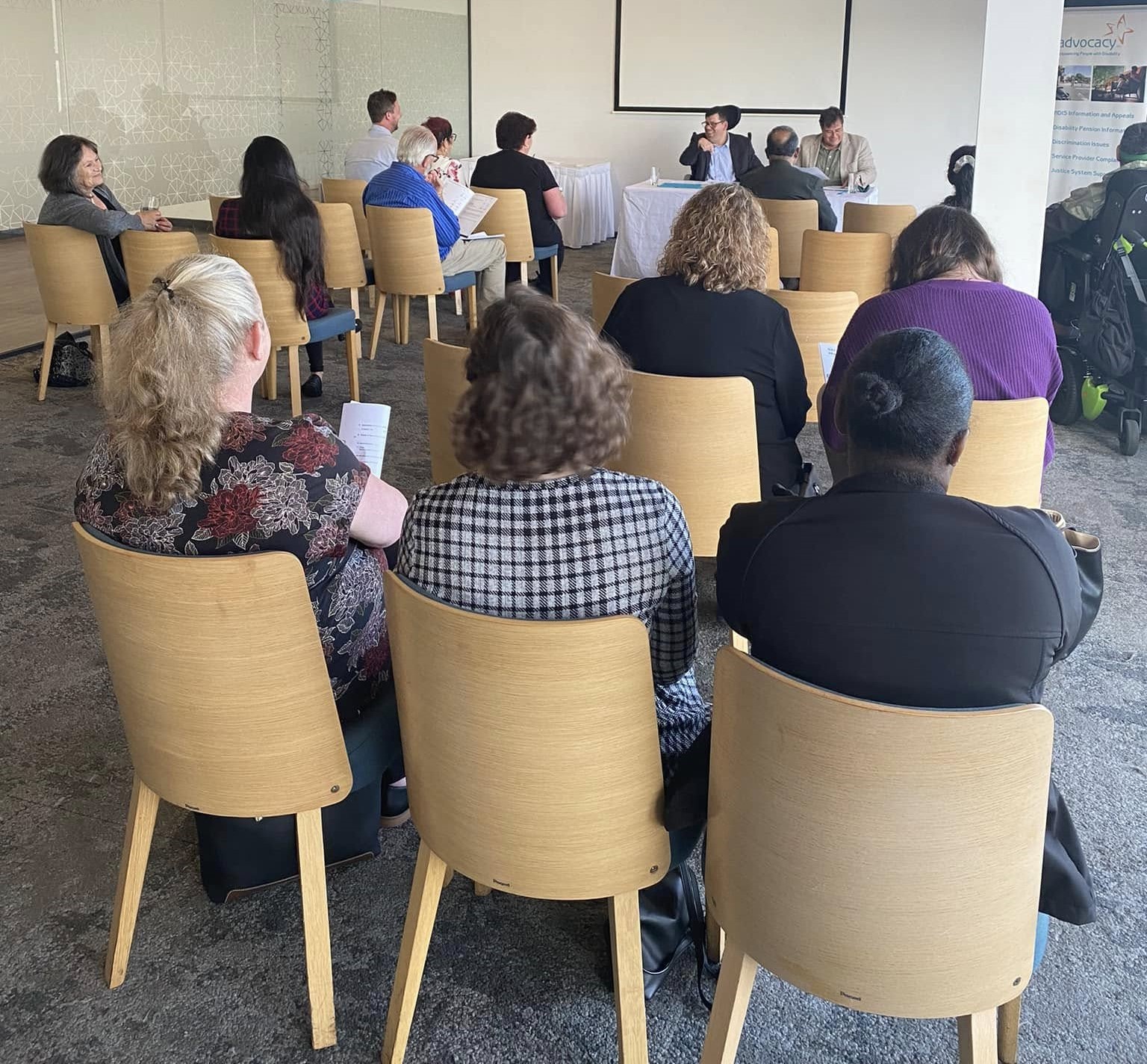
During a self advocacy workshop, a community member shared a story that stayed with us. They spoke about growing up being told not to take up too much space, to be grateful, and to stay quiet. They also shared that they were often made to feel like they had to explain their disability to everyone, as if a full medical history was the price of being understood or supported.
We have heard from people with disability that this experience is not uncommon. Many have shared that they were taught, directly or indirectly, that they must justify their needs in order to be treated well.
But being treated with dignity is not something you have to earn. It is a right.
You have a right to privacy
You are not required to share personal or medical information just to be respected. Your disability, diagnosis, or health history belongs to you. You have the right to decide what you share, how much you share, and who you share it with.
Self advocacy does not mean explaining every detail of your life. You can ask for adjustments without disclosing diagnoses. You can set boundaries around personal questions. You can choose to say that you are not comfortable sharing that information or that you can explain what support you need without going into medical details.
Privacy is part of dignity.
Support does not require a medical explanation
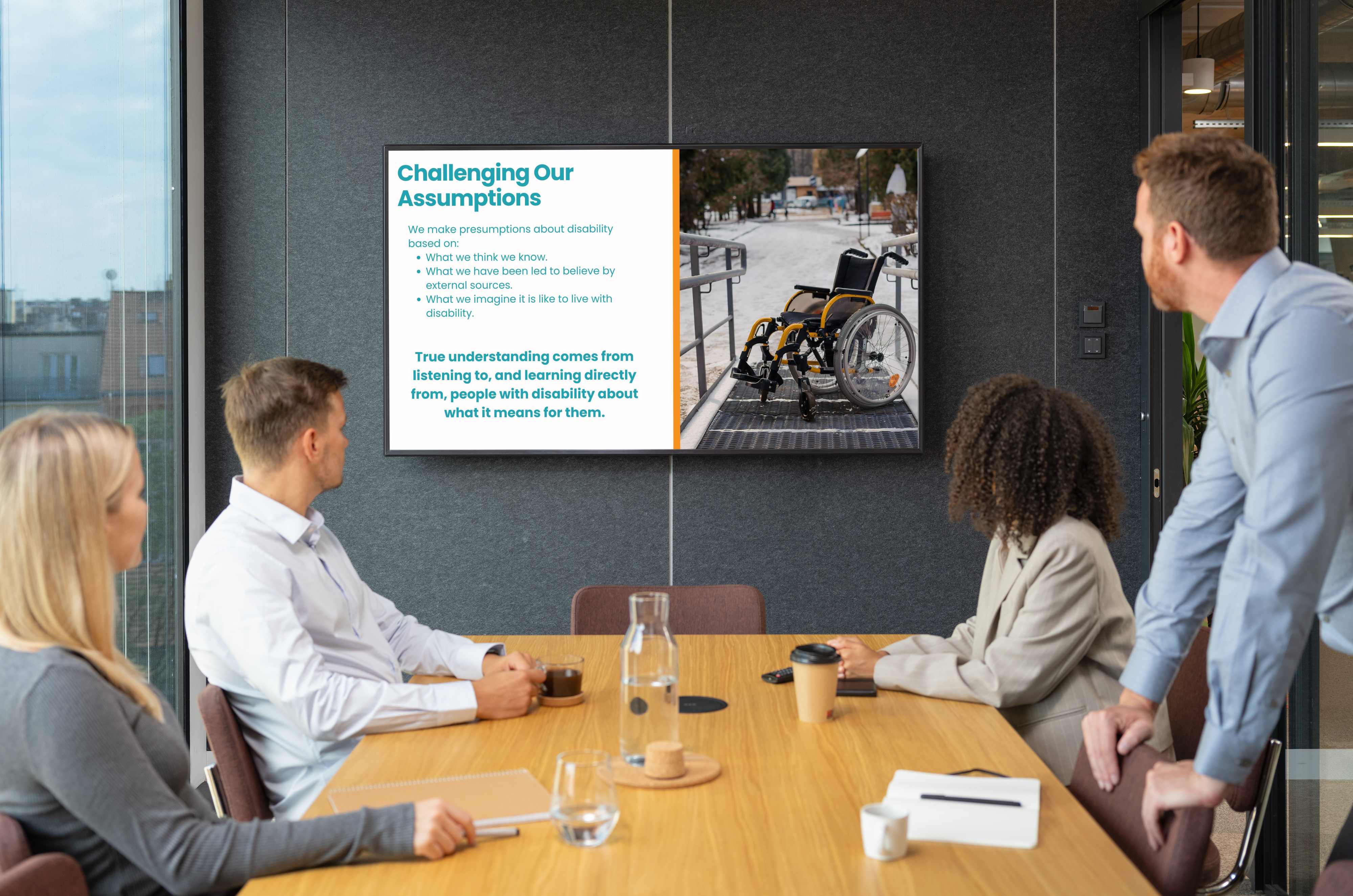
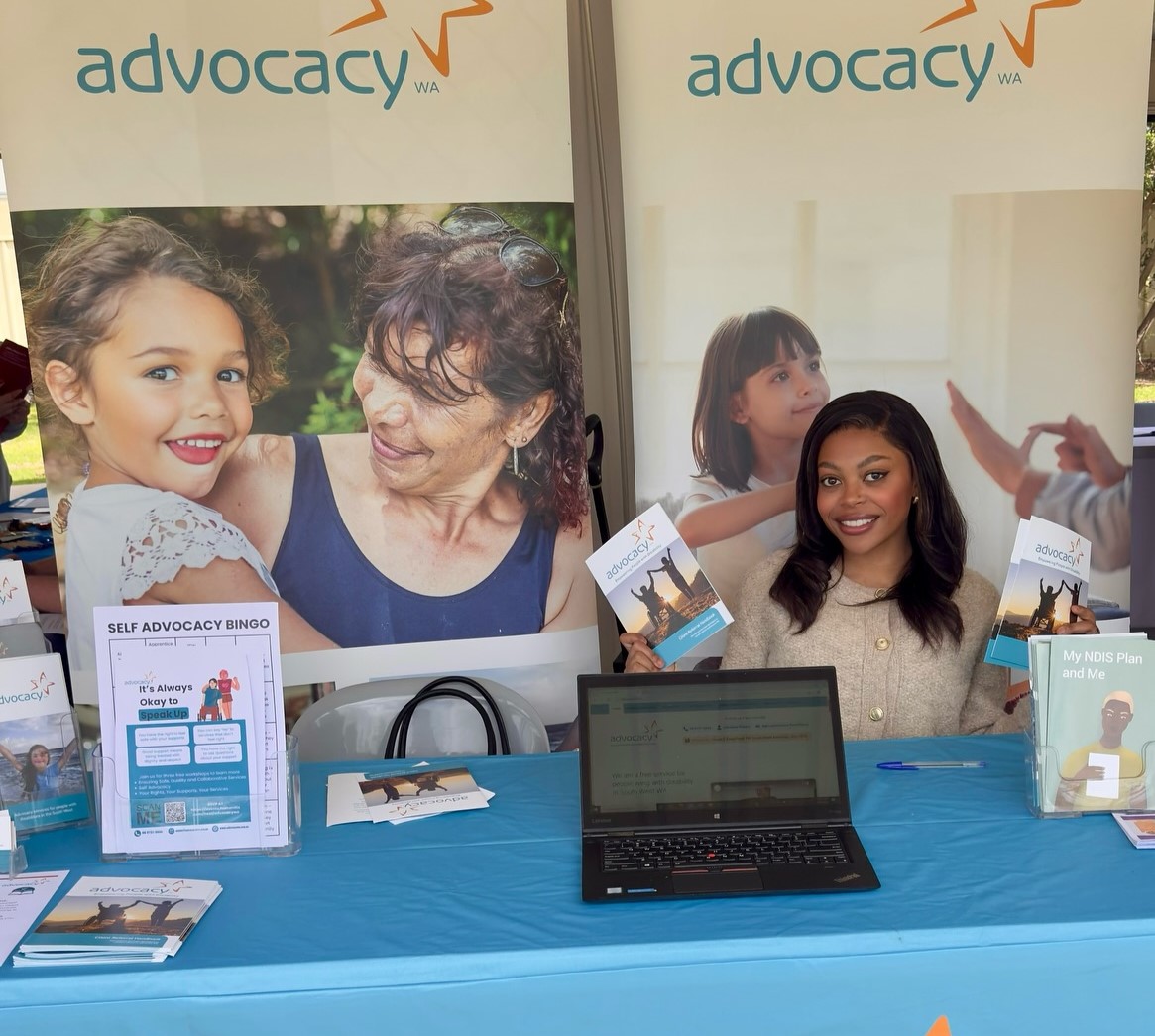
When we run disability awareness training, we often remind people that the simplest and most respectful approach is to ask if someone needs support and what that support looks like.
People are the experts in their own lives. You do not need someone’s full medical history to provide respectful, effective support. Knowing what helps, what does not, and what someone prefers is far more useful than knowing a diagnosis.
Support is something everyone needs at different times in their life. By making support a normal question asked of everyone, rather than something only asked of people with disability, we reduce stigma and create more inclusive spaces for all.
Good support should not depend on how much you disclose, how politely you ask, or how easy you are to work with. Respect does not disappear because you set boundaries or choose not to share personal information.
You are allowed to take up space
Taking up space does not mean being demanding or difficult. It means allowing yourself to exist fully, to have needs, preferences, and boundaries.
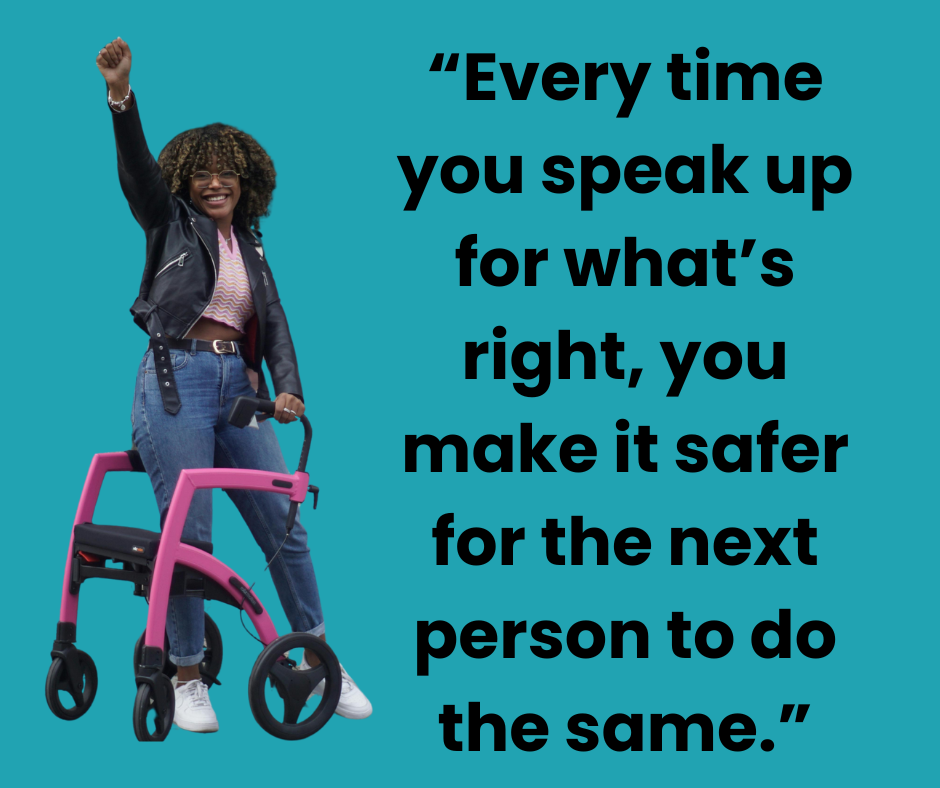
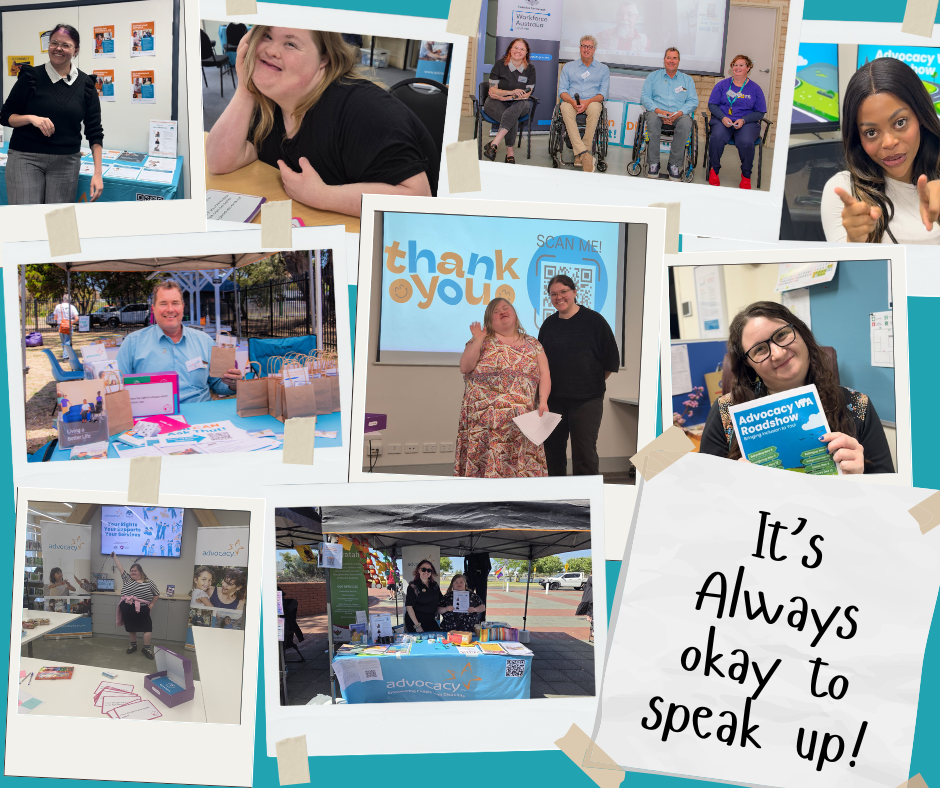
You are allowed to speak up in appointments. You are allowed to ask for adjustments. You are allowed to say when something is not working. You do not need to shrink yourself to make others comfortable.
You are allowed to change your mind
You are allowed to realise that something no longer works for you. You are allowed to ask for changes. You are allowed to say no, pause, or step back.
Changing your mind is not a bad thing, it is part of having choice and control over your own life.
You do not have to be brave all the time
We have heard from people with disability that there is often an expectation to be endlessly resilient, patient, and strong. While self advocacy can be empowering, it can also be tiring.
You are allowed to rest. You are allowed to choose your battles. You are allowed to ask for support from someone you trust, whether that is a friend, family member, advocate, or service.
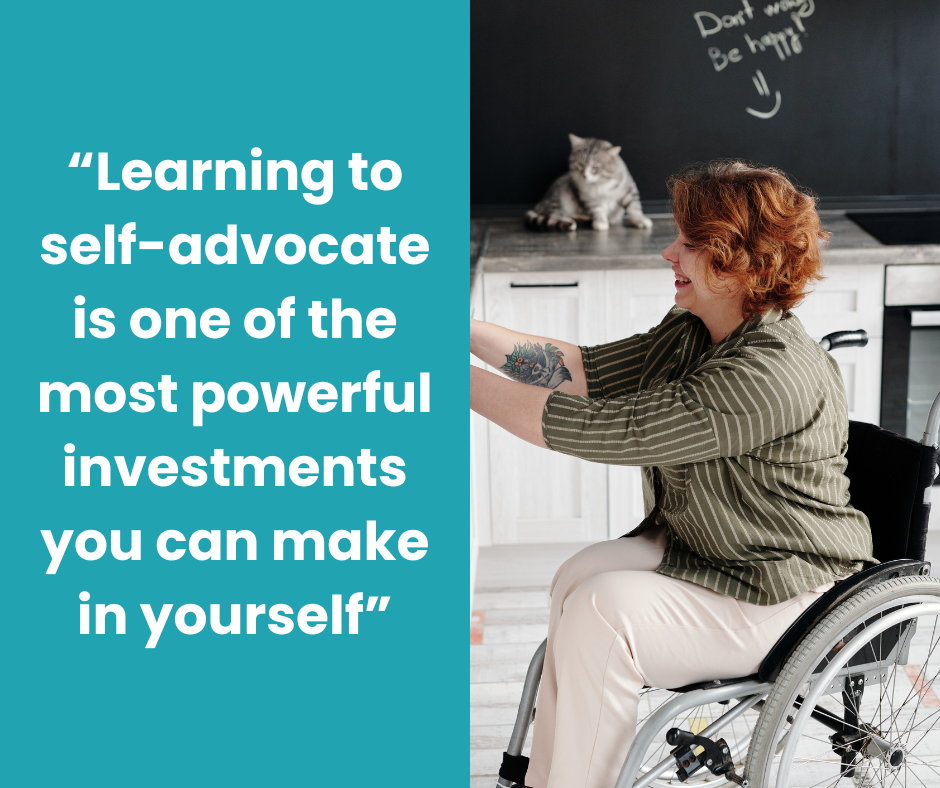
Advocacy is not only about speaking up. Sometimes it is about asking for support.
Trusting yourself is part of advocacy
If something feels uncomfortable, confusing, or wrong, that feeling matters. You do not need to wait for things to get worse before seeking support or speaking up.
Trusting your instincts is a powerful part of self advocacy. It takes time, and it deserves encouragement.
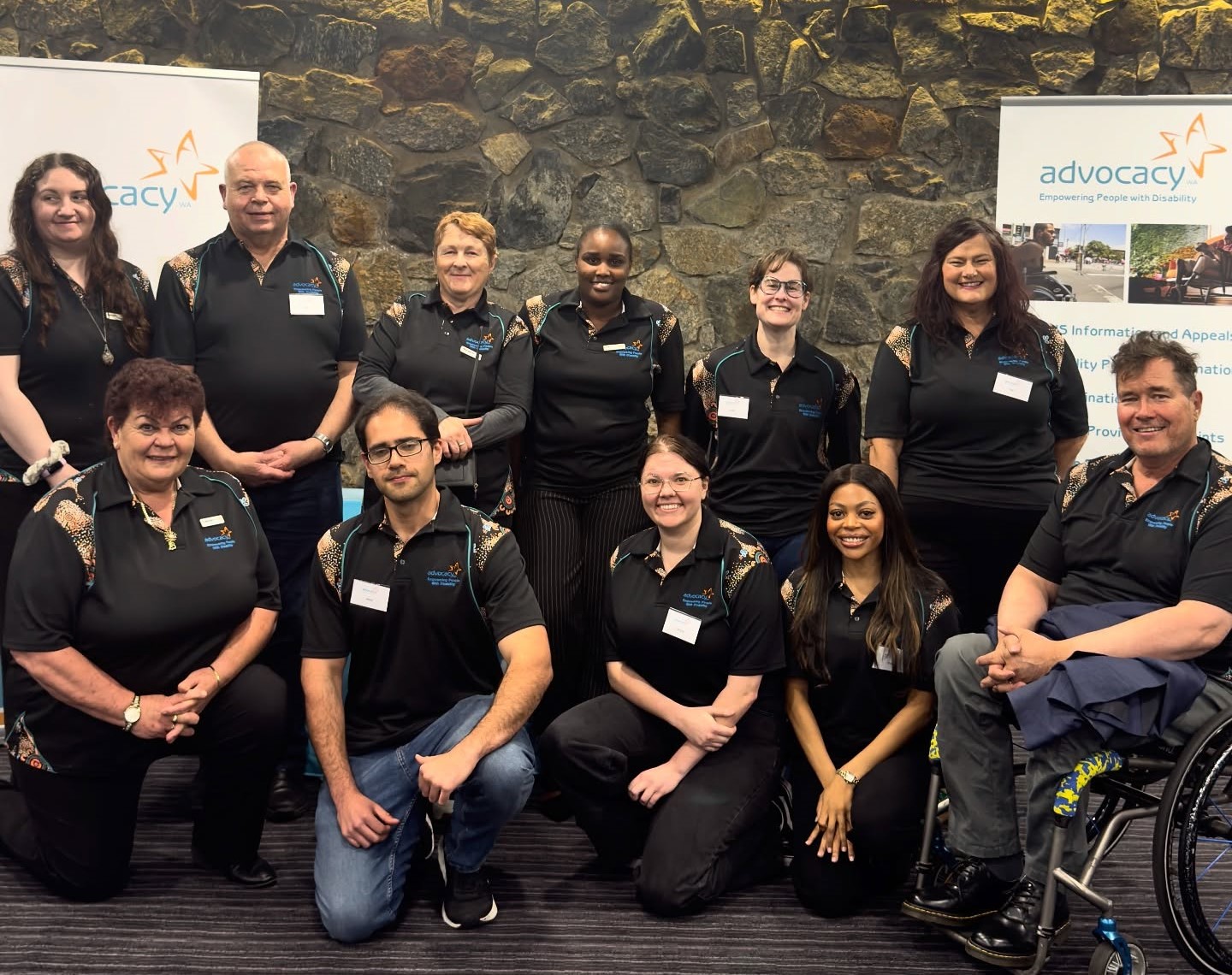
At Advocacy WA, we believe people with disability have the right to dignity, privacy, choice, and respect, simply because they are people. Our work is about supporting voice and connection in ways that are safe, practical, and centred on you.
As the week ends, this is your reminder.
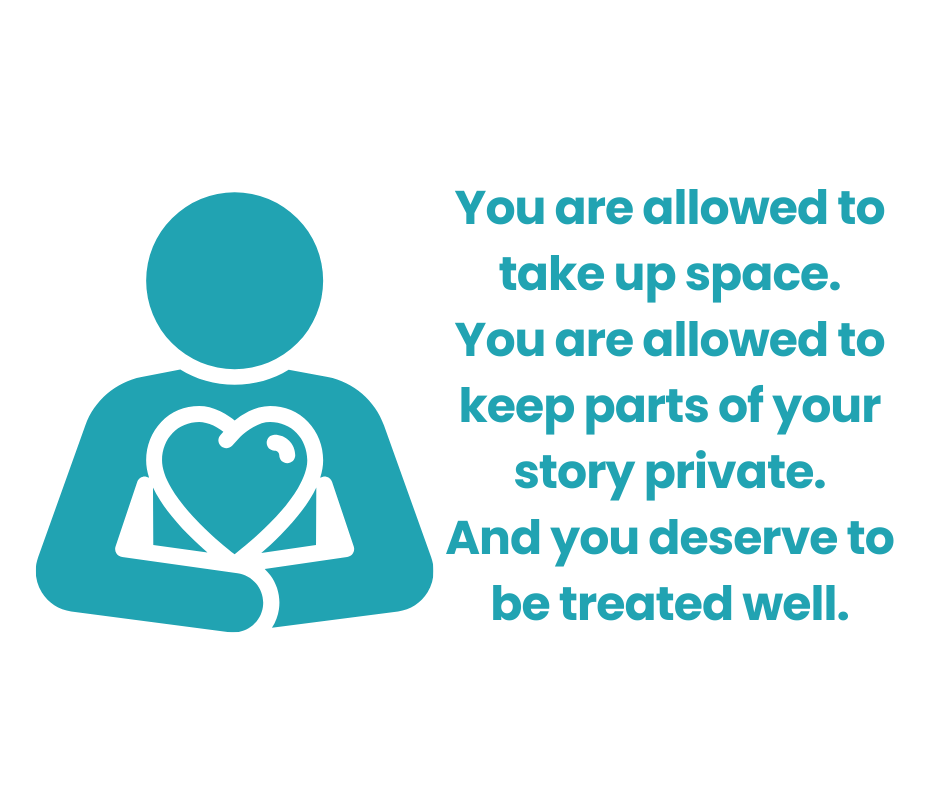
You are allowed to take up space.
You are allowed to keep parts of your story private.
And you deserve to be treated well.


.png)
.png)
.png)
.png)
.png)


.png)
.png)
.png)
.png)
.png)
.png)
.png)



.png)

.png)


.png)



.png)
.png)
.png)

.png)
.png)

.png)
.png)
.png)
.png)
.png)

.png)

.png)

.png)

.png)