What self advocacy actually looks like in everyday moments
When people hear the words self advocacy, they often think about formal complaints, big confrontations, or knowing exactly what to say in difficult situations. In reality, self advocacy usually shows up in much smaller, quieter ways. It happens in everyday moments, often before things reach a breaking point.
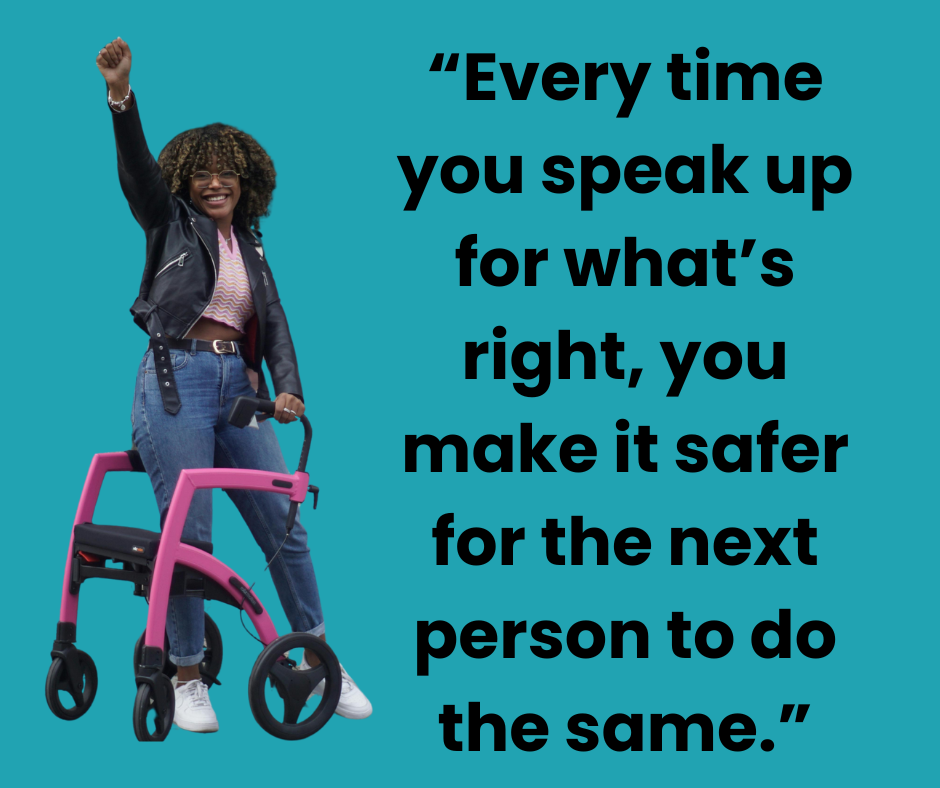
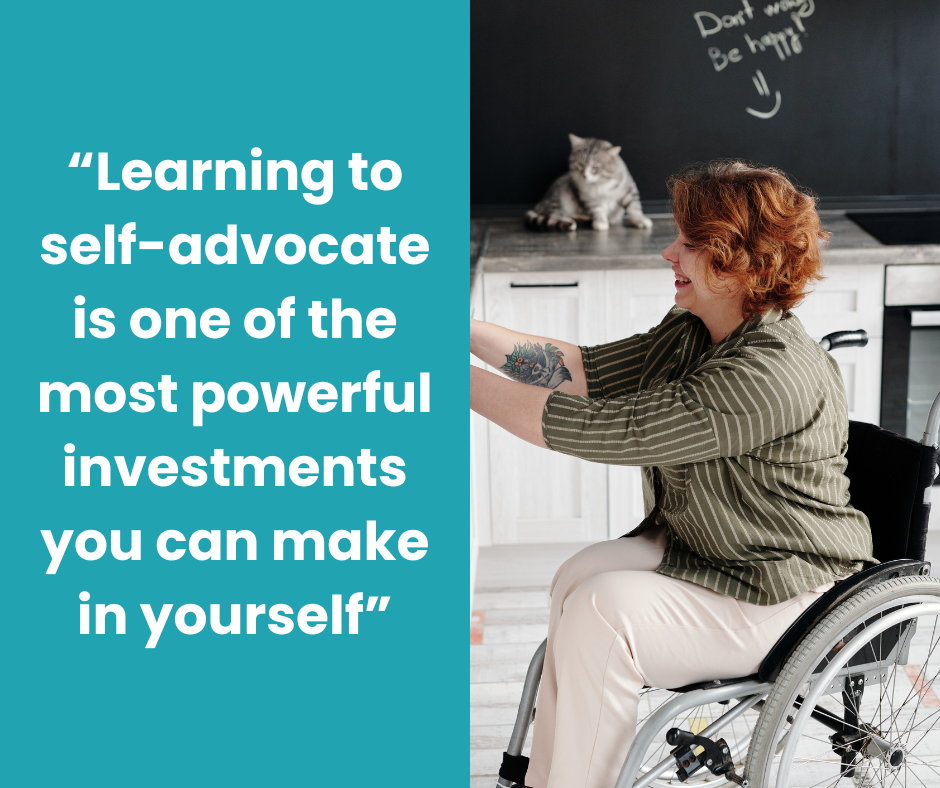
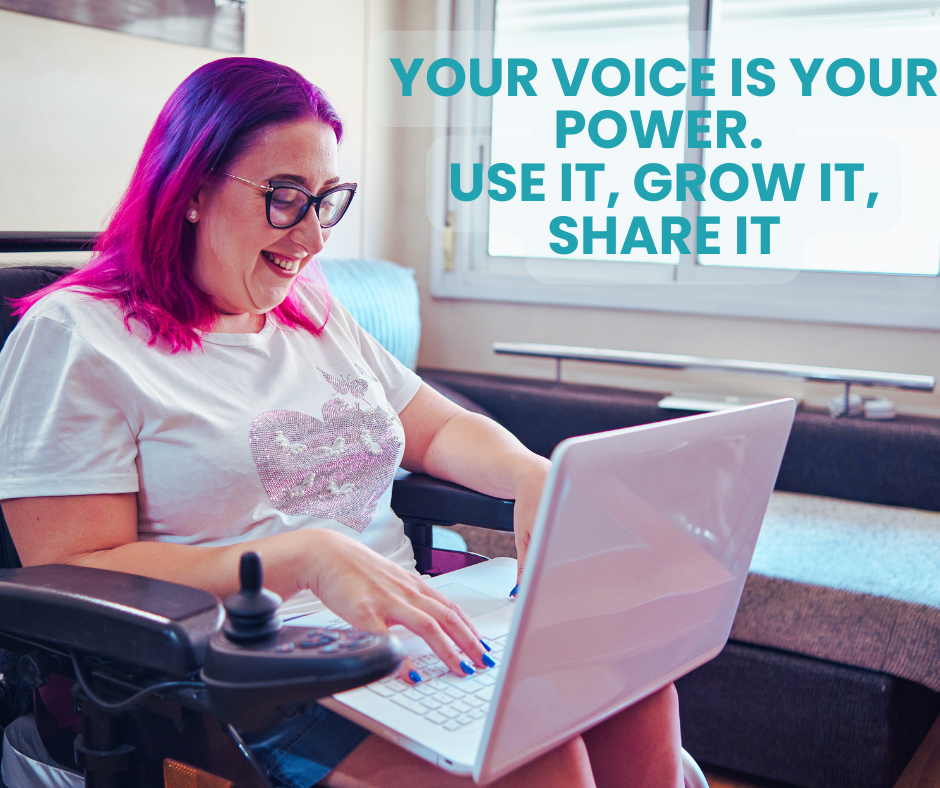
Self advocacy is about having choice and control in your own life. It is about being able to say what you need, ask questions, set limits, and make decisions that feel right for you. It is also about learning how to back yourself, even when things feel uncomfortable. Sometimes that means being your own cheerleader and reminding yourself that your voice matters, even on the days it feels hardest to use.
Self advocacy is not just about complaints
You do not need to make a formal complaint to be self advocating. Many acts of self advocacy happen long before that stage and often help prevent issues from escalating.
Everyday self advocacy can look like asking for clarification when something does not make sense. It might mean saying, “Can you explain that another way?” or “I need more time to think about this.”
It can also be about setting boundaries with supports. For example, letting a support person know what tasks you are comfortable with, how you like things done, or when something does not feel right. Boundaries help keep support respectful and focused on your needs.
Speaking up in appointments is another common example. This could be asking for an appointment summary in writing, requesting breaks, bringing a support person, or saying when you feel rushed or unheard.
Sometimes self advocacy is choosing not to engage. You are allowed to step back, ask for time, or decide that a conversation or service is not right for you. Protecting your energy and wellbeing is part of advocating for yourself.
Being your own cheerleader
Self advocacy does not mean you always feel confident. It often means encouraging yourself to take small steps, even when you feel unsure. Being your own cheerleader is about recognising your efforts, reminding yourself that your needs matter, and giving yourself credit for speaking up, even when it feels hard.
This might look like telling yourself that it is okay to ask or noticing that you handled a situation better than you used to. These small moments of self encouragement help build confidence over time.
There is no one right way to self advocate
Self advocacy does not have to be loud or confrontational. It can be calm, quiet, written down, or supported by someone you trust. What matters is that it works for you and supports your safety, dignity, and wellbeing.
Some people find it easier to practise what they want to say in advance. Others prefer to write things down or use tools like cards or checklists. Some people advocate on their own, while others choose to have an advocate or support person alongside them.
All of these approaches are valid.
Building confidence takes practice
Like any skill, self advocacy takes time and practice. It is normal to feel unsure, awkward, or worried about how others might respond. Confidence often grows through small steps, not big leaps.
Each time you ask a question, set a boundary, or speak up for yourself, you are building that skill, even if it does not feel perfect.
You are not alone
Ever felt stuck trying to speak up.
Not sure what your rights are.
Or unsure how to raise concerns without things feeling awkward or overwhelming.
You are not alone. And you do not have to figure it out on your own.
At Advocacy WA, we support people with disability to build confidence, understand their rights, and use their voice in ways that feel safe and practical.
Here are three ways to get started. Choose what works best for you.
Prefer short and flexible learning
Our Self Advocacy Mini Workshops are free, online, and just 30 minutes each.
They are designed as bite sized learning chunks you can fit into your day.
Join one session or attend the full series. It is completely your choice.
Explore and register here
https://collections.humanitix.com/self-advocacy-mini...
Want the full experience in person
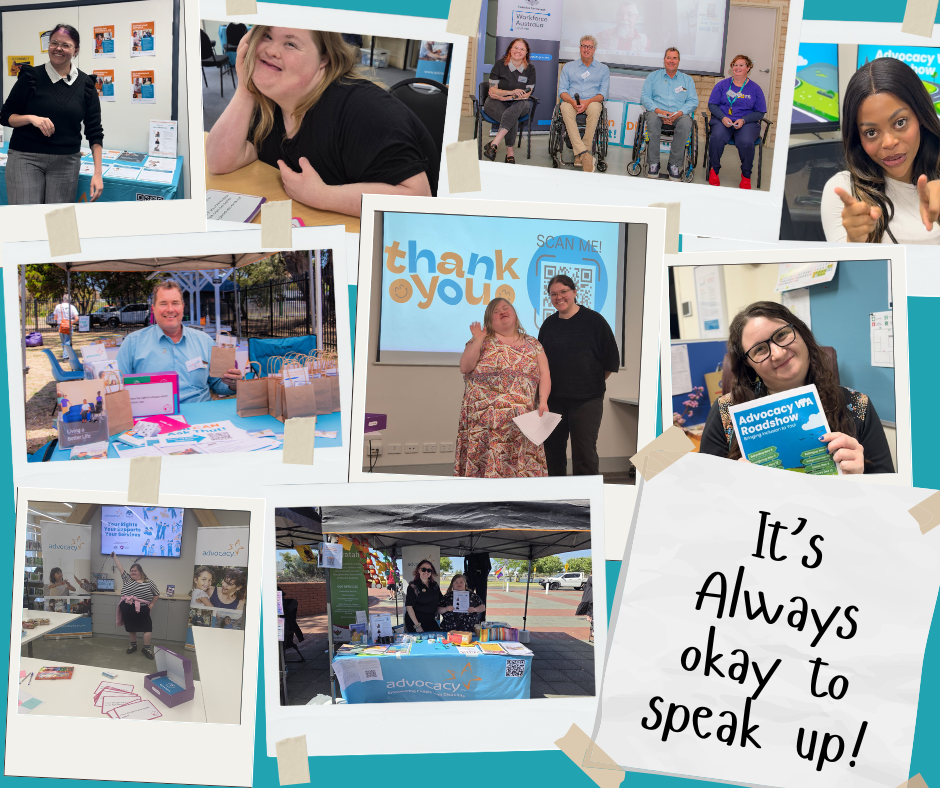
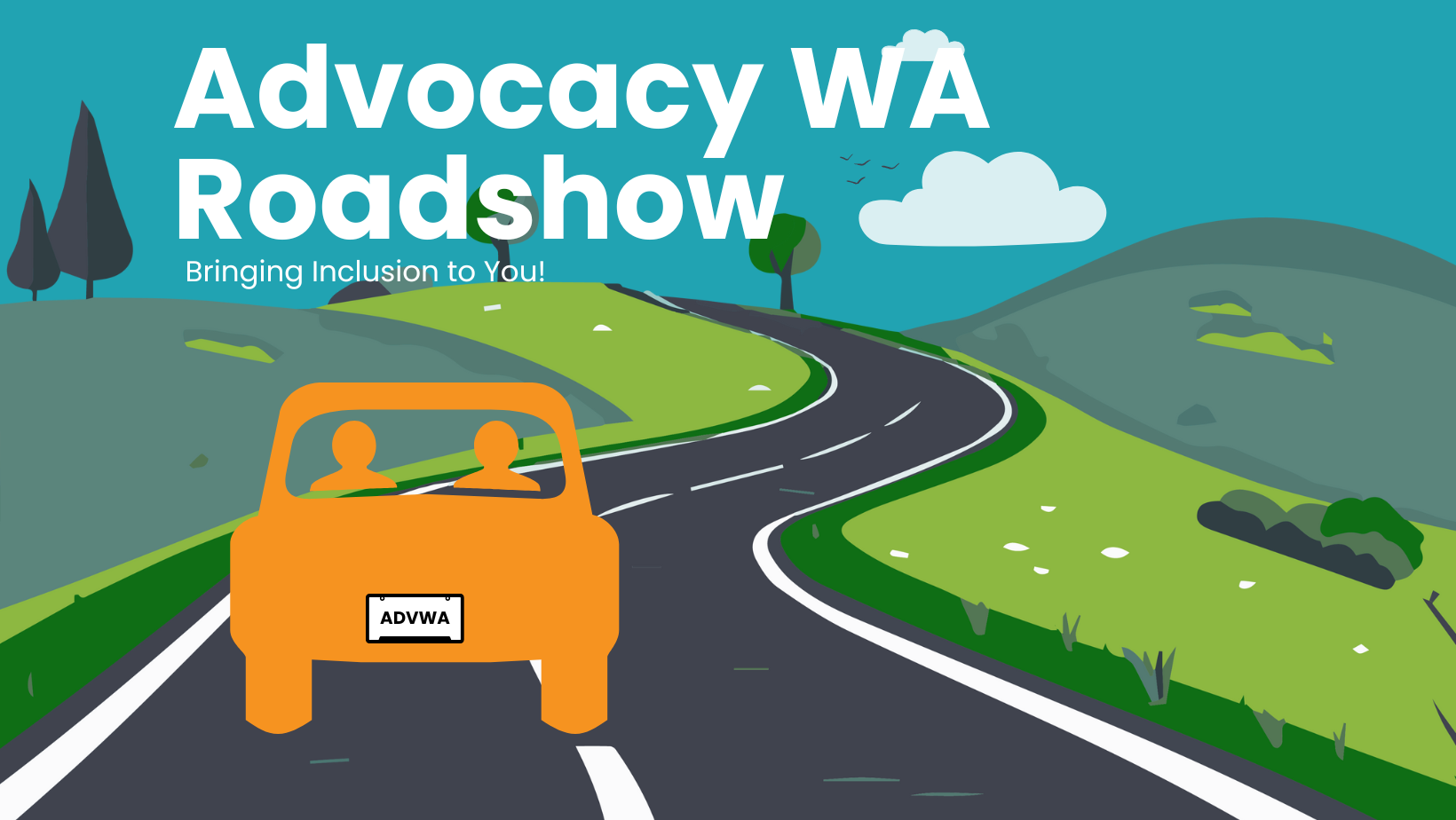
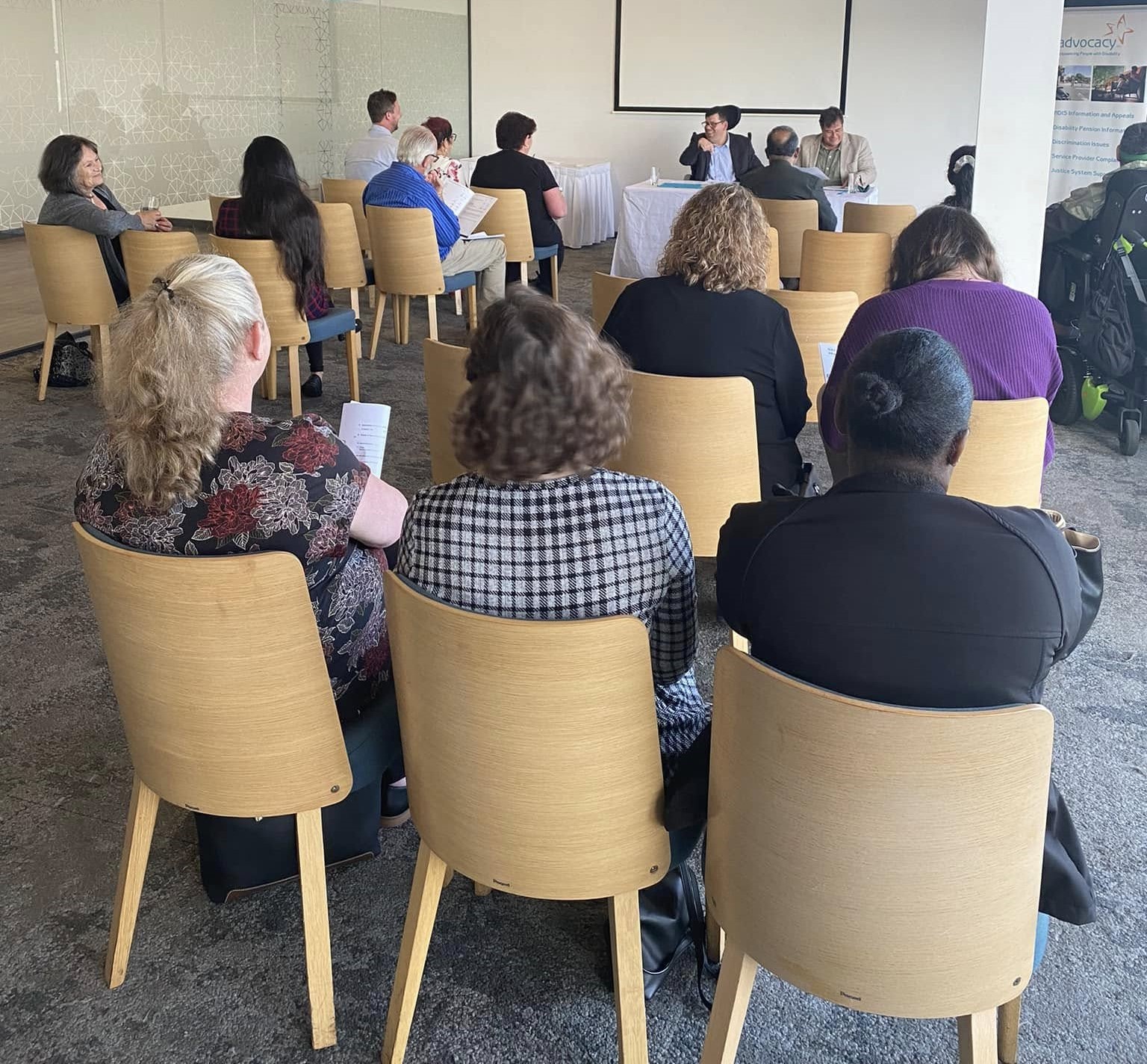
Come along to one of our Advocacy WA Roadshow workshops.
These sessions cover the full self advocacy workshop live, in person, with time for questions, discussion, and connection.
See roadshow dates and locations here
https://collections.humanitix.com/advocacy-wa-roadshow
Prefer self paced learning
If you like to learn in your own time, we also offer self advocacy learning online on demand.
Complete the form below and our team will get you set up.
Request self paced access here
https://forms.office.com/r/fDJsjM73Ky
No matter which option you choose, you will get practical tools, clear information, and support that is centred on you.
Because knowing your rights matters.
And using your voice can change things.


.png)
.png)
.png)
.png)
.png)



.png)
.png)
.png)
.png)
.png)
.png)
.png)



.png)

.png)



.png)



.png)
.png)
.png)

.png)
.png)


.png)
.png)
.png)
.png)
.png)

.png)
.png)

.png)
.png)