The D-Connect Broadcast: Bringing Disability Rights Information Across the Region
Access to clear information should not depend on where you live.
For many people with disability, families, carers, support workers, and community members across the South West, getting to an in-person workshop is not always easy. Transport, distance, health, cost, support needs, work, caring responsibilities, and accessibility barriers can all make it harder to attend.
That is why Advocacy WA is continuing to build more flexible ways for people to connect with information, ask questions, and learn about their rights.
The D-Connect Broadcast is one way we are doing this.
What is the D-Connect Broadcast?
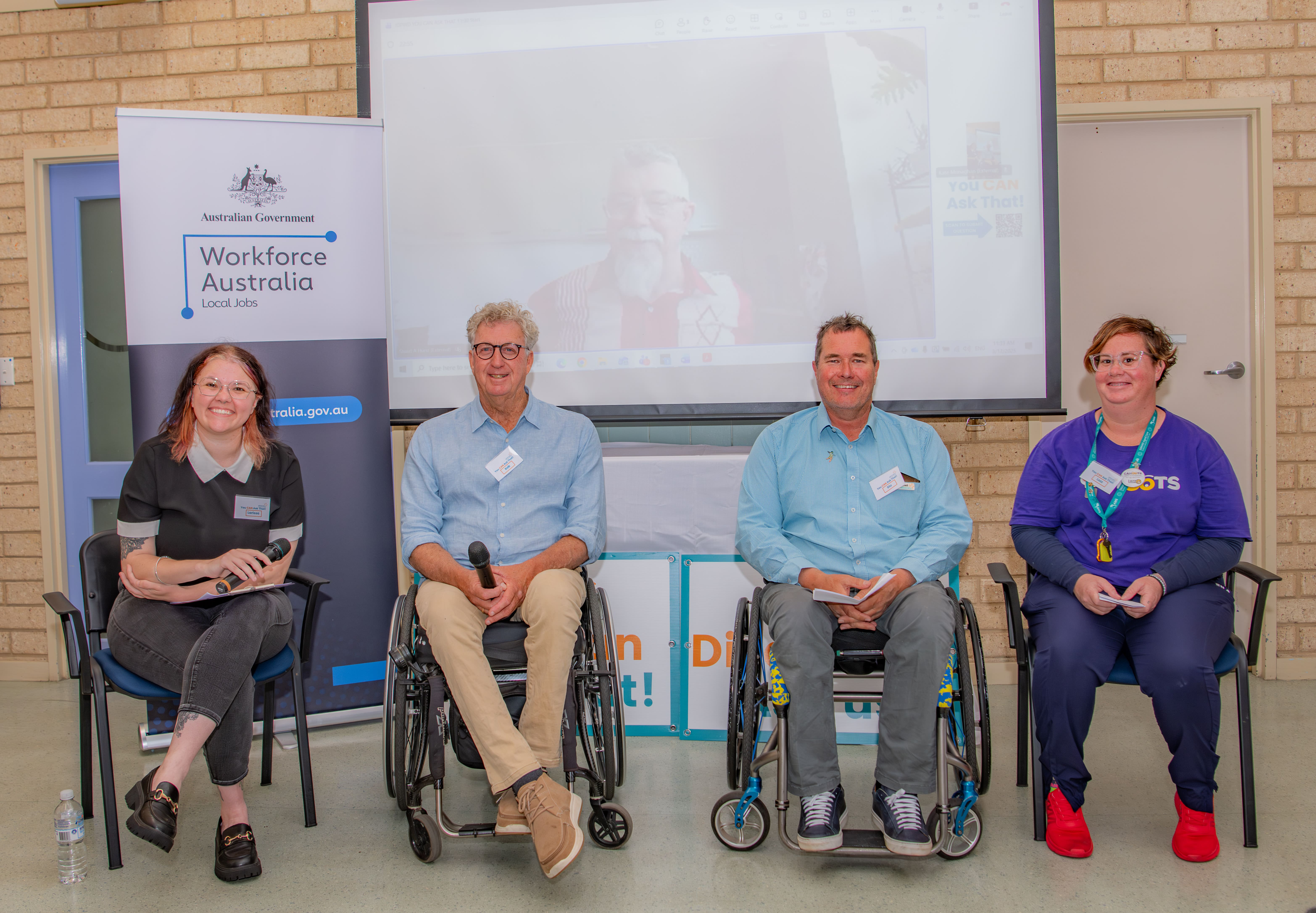
The D-Connect Broadcast is an online and hybrid way for people to join Advocacy WA’s free disability rights and self-advocacy sessions.
Instead of only being able to attend in person, people can also join sessions online from their own home, workplace, community centre, library, or local group.
This means more people can access the same practical information, even if they cannot physically attend a roadshow location.
The goal is simple: make important information easier to reach.
Why hybrid access matters
Hybrid access means people can join in more than one way.
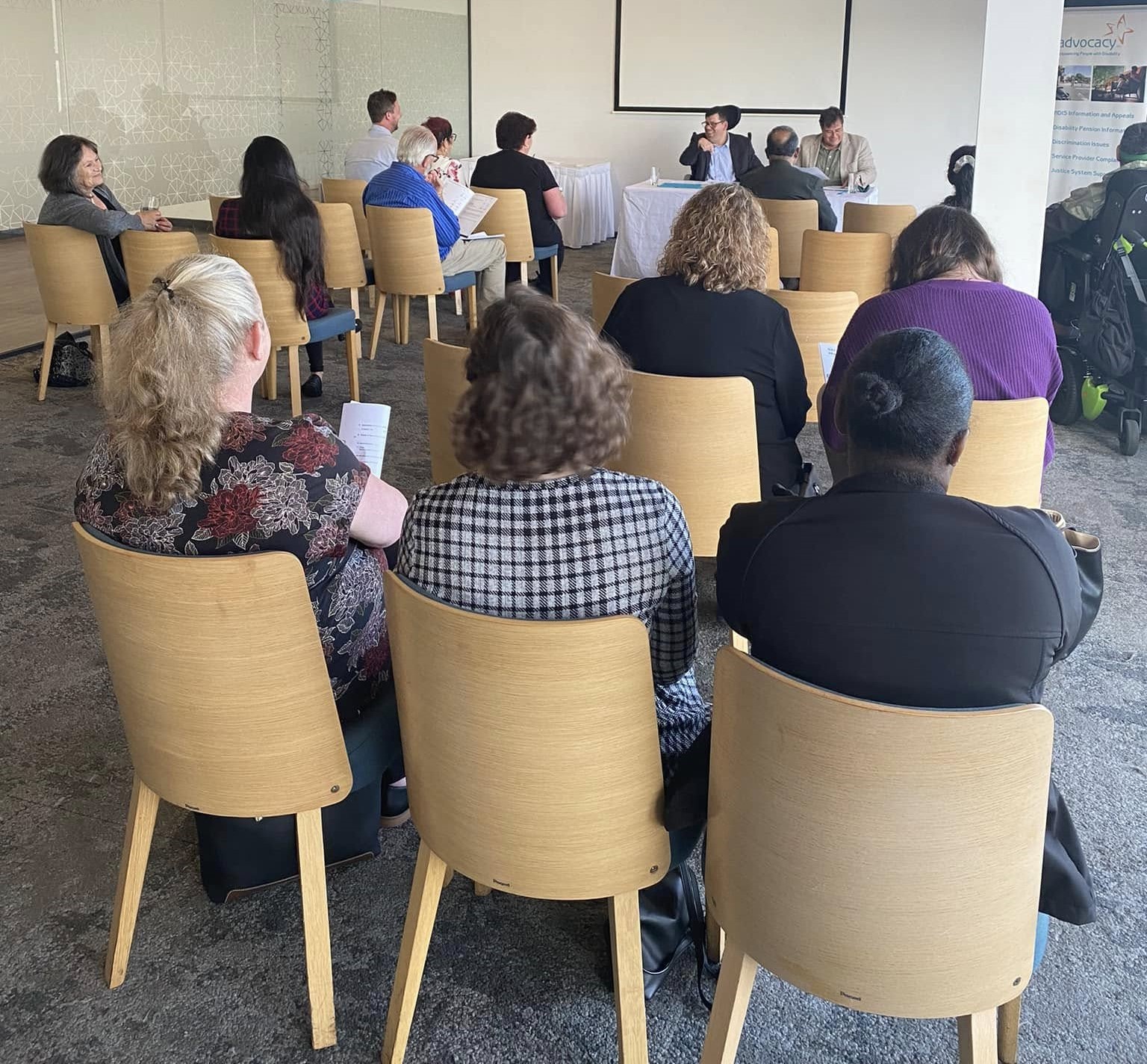
Some people may prefer to attend in person because they enjoy face-to-face connection, group discussion, and meeting people in their community.
Other people may prefer or need to attend online.
There are many reasons someone may need a virtual option. They may live far away from the venue. They may not have transport. They may have health needs that make travel hard. They may have caring responsibilities. They may feel more comfortable learning from a familiar space. They may need to manage sensory, communication, fatigue, or access needs.
Offering both options helps remove barriers.
It sends a clear message: you are welcome, and we will try to meet you where you are.
What sessions are included?
The D-Connect Broadcast shares practical, rights-focused information in plain language.
Sessions may include topics such as:
Understanding what safe and quality support looks like
Self-advocacy and speaking up
Knowing your rights in services and supports
Supported decision-making
Restrictive practices
How to raise concerns or complaints
How to prepare for important conversations
What good support should feel like
These topics are important for people with disability, families, carers, support workers, providers, and community members.
The more people understand disability rights, the stronger and safer our communities become.
Information should be easy to understand
Disability rights information can sometimes feel complicated.
People may hear words like “safeguards”, “restrictive practices”, “quality standards”, “choice and control”, or “supported decision-making” without being given a clear explanation of what they actually mean.
At Advocacy WA, we believe information should be accessible, practical, and easy to use in real life.
That means breaking things down in plain language, using examples, allowing time for questions, and making sure people leave with tools they can actually use.
Rights are not just words on paper.
People need to know what their rights look like in everyday life.
Local communities can be part of it
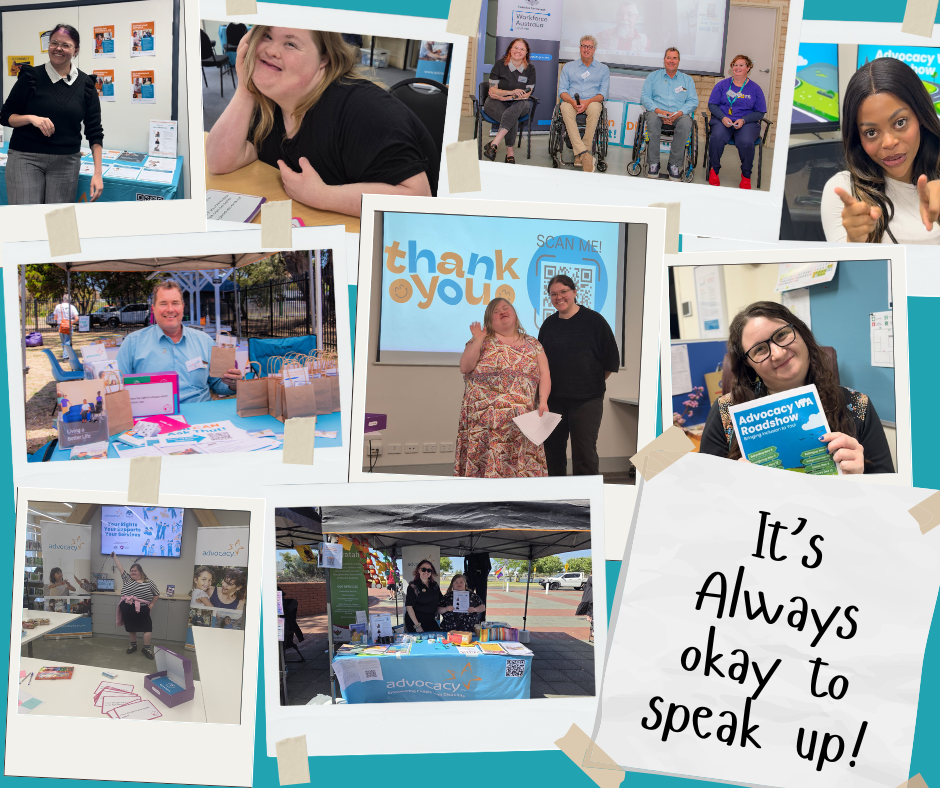
The D-Connect Broadcast also creates opportunities for local communities to host sessions.
Community centres, libraries, local groups, schools, neighbourhood centres, and other welcoming spaces can support people to join together and watch a session online.
This can be especially helpful in smaller towns where people may not always have easy access to disability information sessions.
A local host can help create a safe, welcoming space where people can learn, ask questions, and connect with others.
It can also help communities start important conversations about access, inclusion, and what needs to change locally.
Building confidence through connection
Learning about rights is powerful.
But learning together can be even more powerful.
When people come together, they often realise they are not alone. Other people may have similar questions, experiences, or concerns. This can help people feel more confident to speak up, ask for support, and take action.
Connection is a big part of advocacy.
Sometimes the first step is hearing someone say, “You are allowed to ask questions.”
Or, “You have the right to be treated with respect.”
Or, “You do not have to deal with this on your own.”
The D-Connect Broadcast helps bring those messages to more people, in more places.
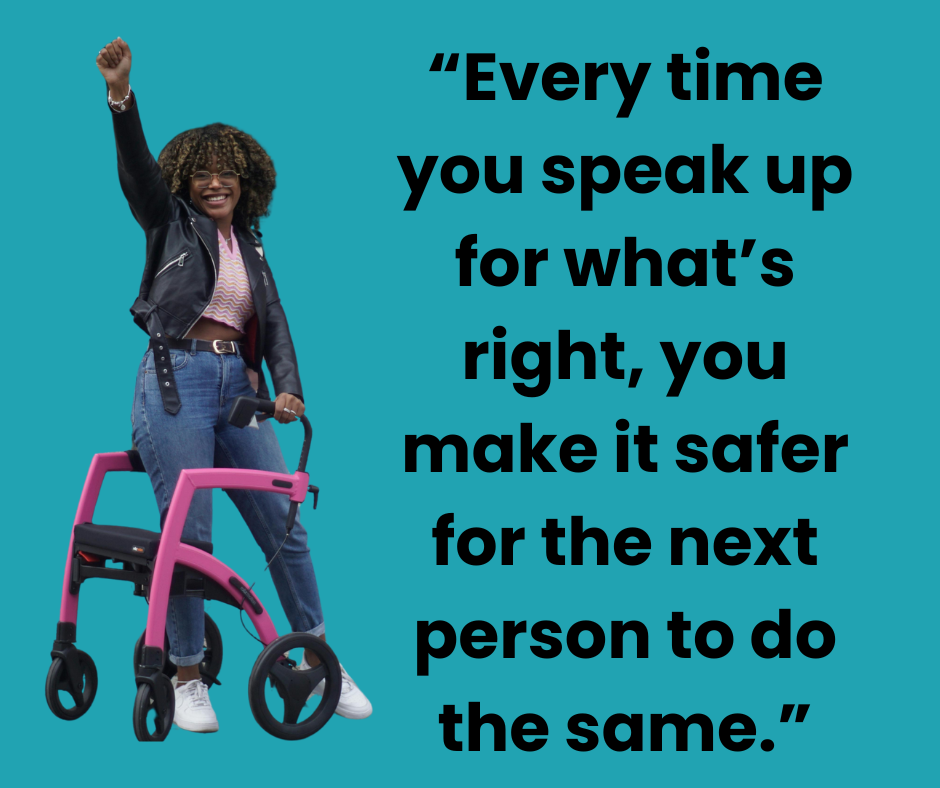
Supporting people to speak up
The D-Connect Broadcast is not just about sharing information.
It is about helping people feel more confident to use that information.
When people understand their rights, they are better able to speak up when something does not feel right.
They may feel more prepared to ask questions, raise concerns, set boundaries, request information in a different format, bring a support person to a meeting, or make a complaint.
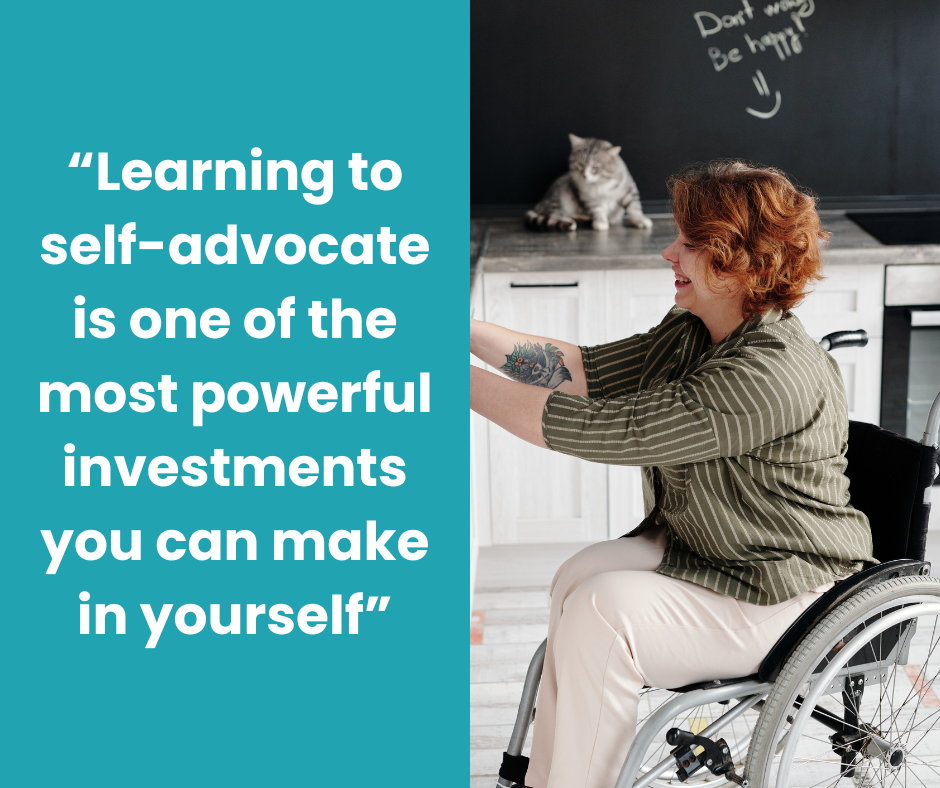
These are all forms of self-advocacy.
And when people are supported to self-advocate, they have more choice and control in their own lives.
A step towards a more inclusive South West
Advocacy WA’s vision is to help make the South West more inclusive and accessible.
That means looking at the barriers that stop people from taking part and finding practical ways to remove them.
Hybrid workshops and broadcasts are one part of that work.
They help make information more accessible. They support regional communities. They reduce the impact of distance. They create more options for people with different access needs.
Most importantly, they help make sure people with disability are not left out of conversations that directly affect their lives.
Final message
The D-Connect Broadcast is about bringing disability rights information to more people, in more places, in ways that are easier to access.
Whether someone joins from home, a local venue, a community group, or an in-person roadshow, the message remains the same:
People with disability have rights.
People with disability deserve safe, respectful support.
People with disability should be heard, included, and supported to make choices about their own lives.
At Advocacy WA, we are committed to sharing clear, practical information that helps people understand their rights, use their voice, and create change in their communities.



.png)
.png)
.png)
.png)
.png)


.png)
.png)
.png)
.png)
.png)
.png)
.png)


.png)
.png)

.png)


.png)
.png)
.png)
.png)
.png)

.png)
.png)
.png)
.png)
.png)

.png)
.png)

.png)
.png)