Roadshow Wrap-Up: What We Heard From Communities So Far
Every community has its own strengths, stories, and challenges.
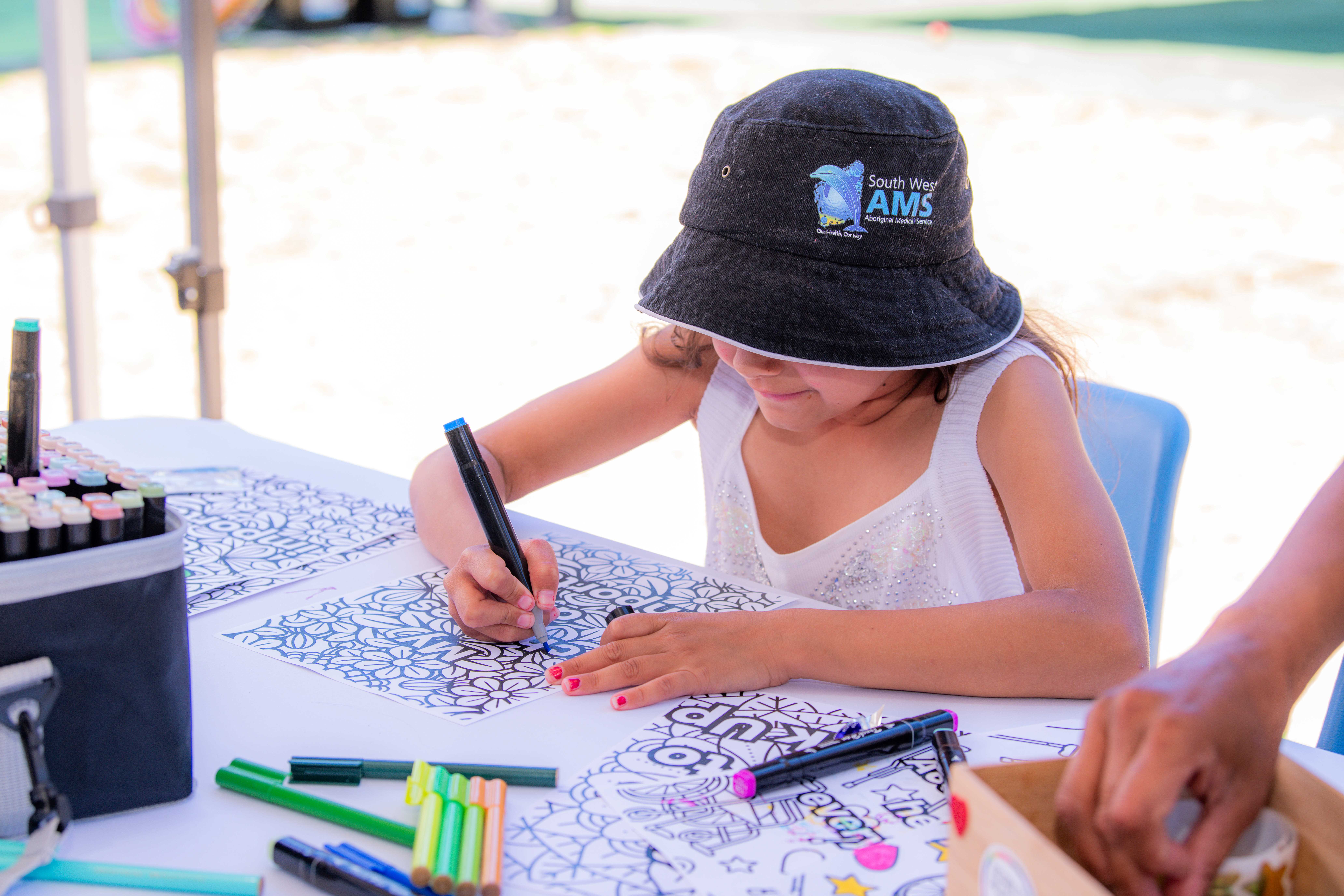
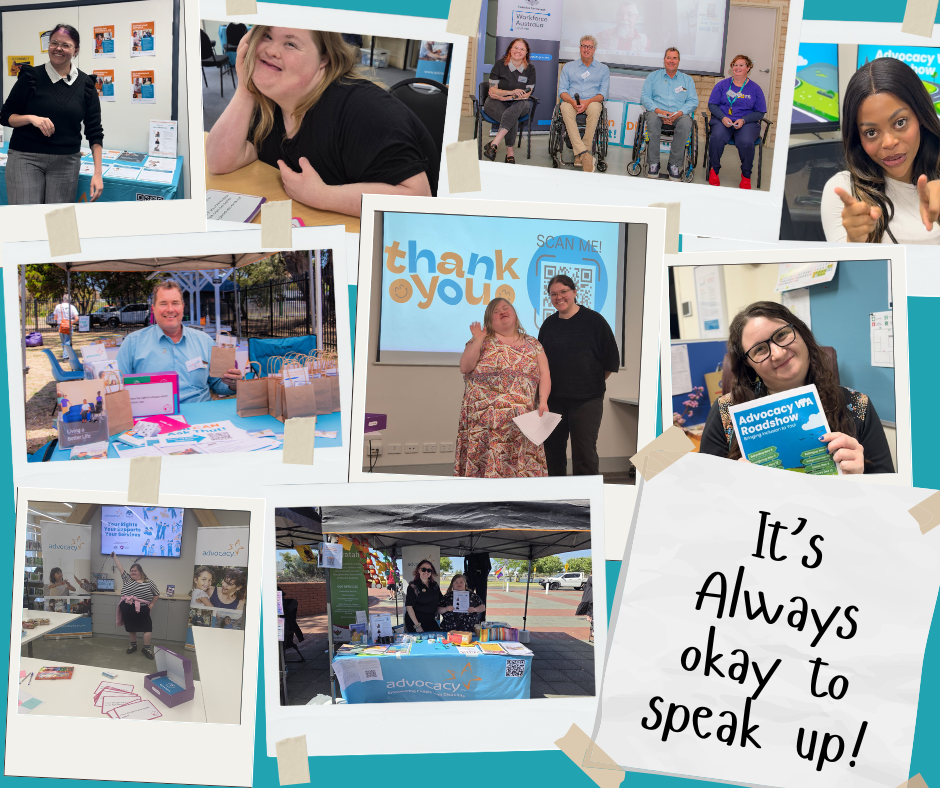
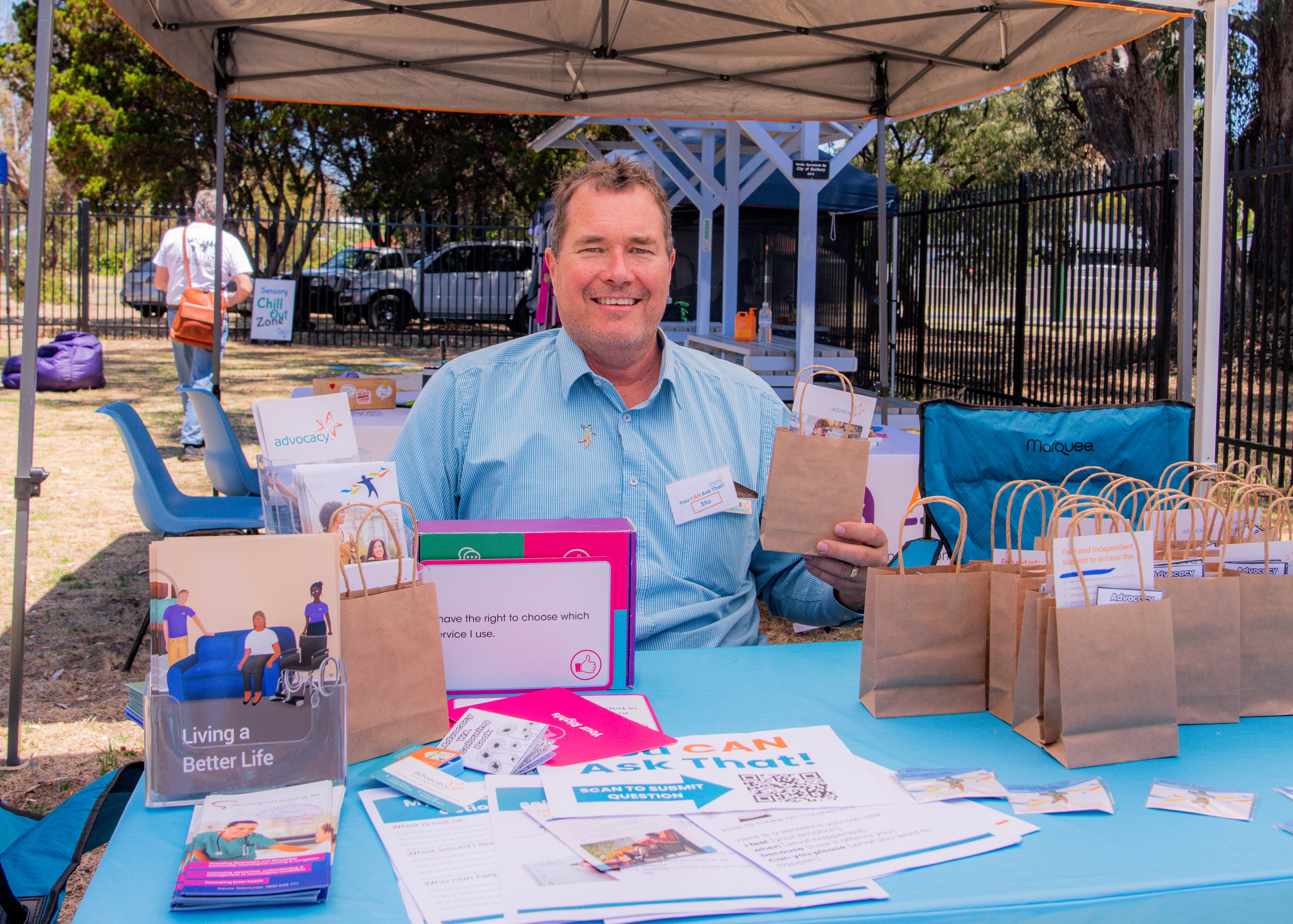
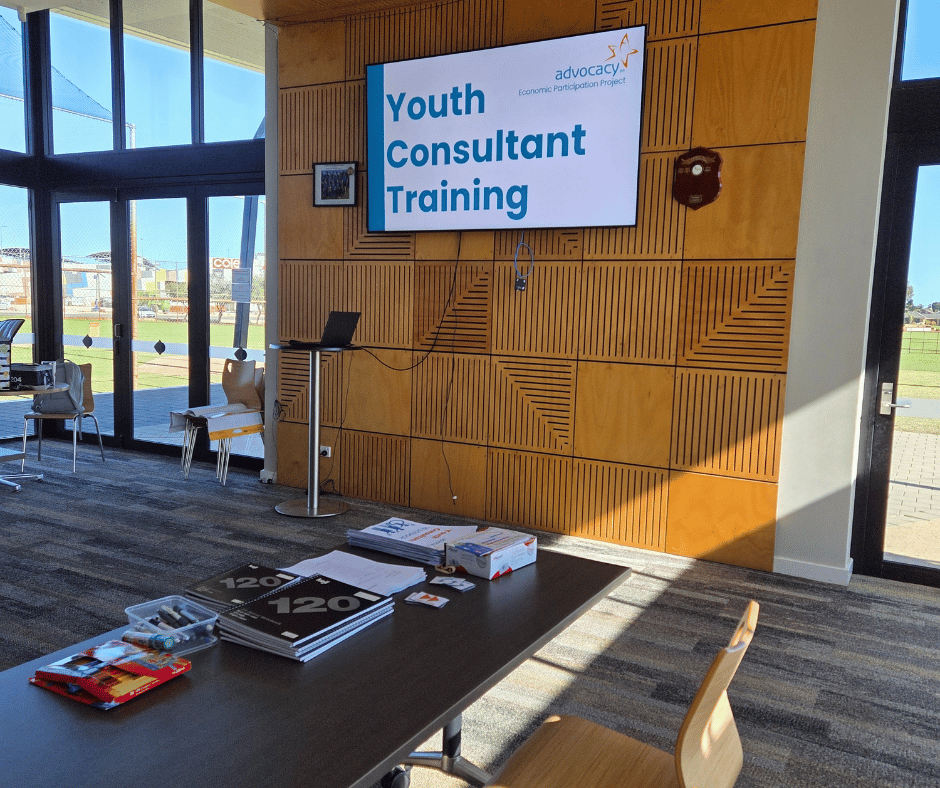
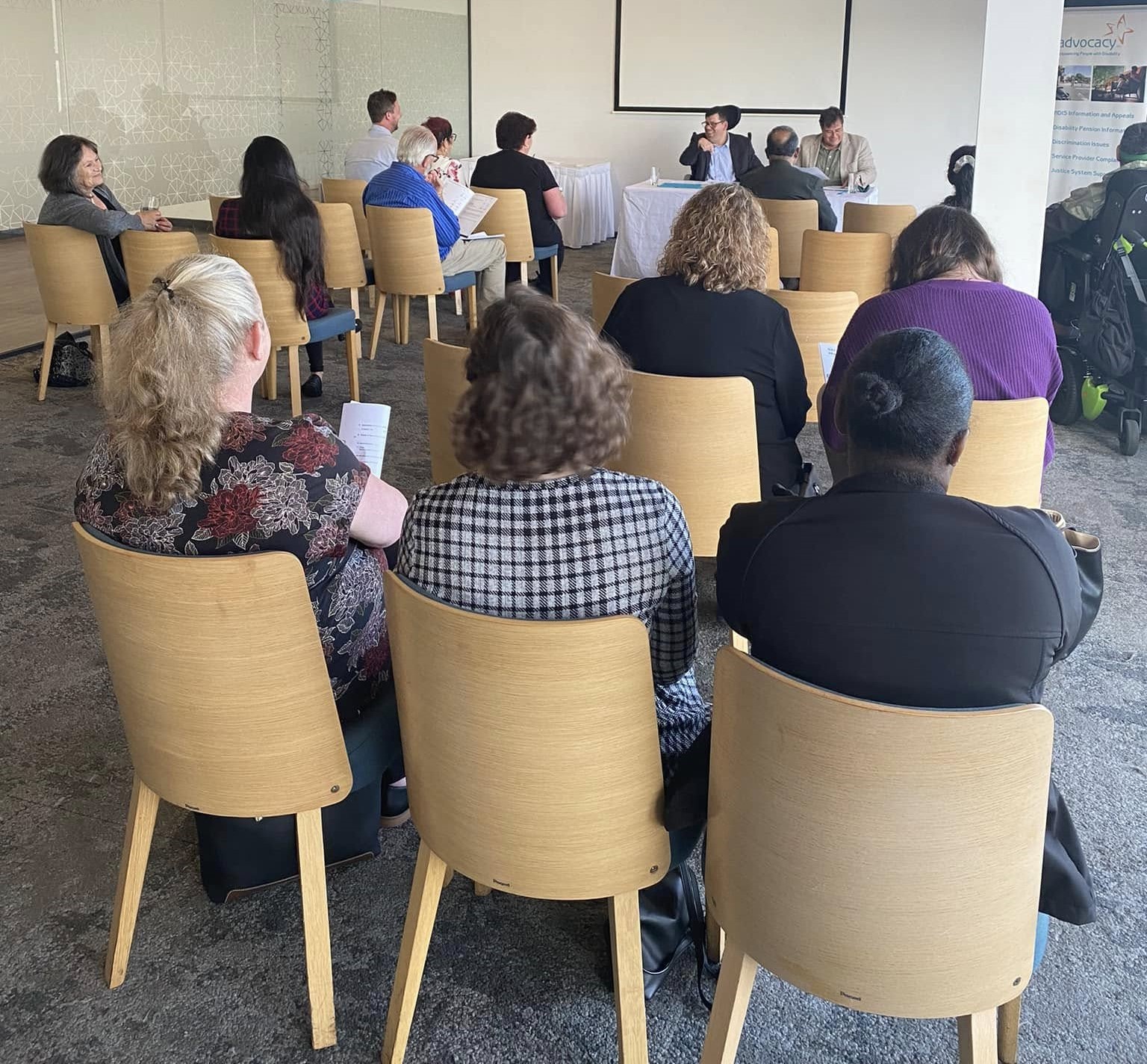
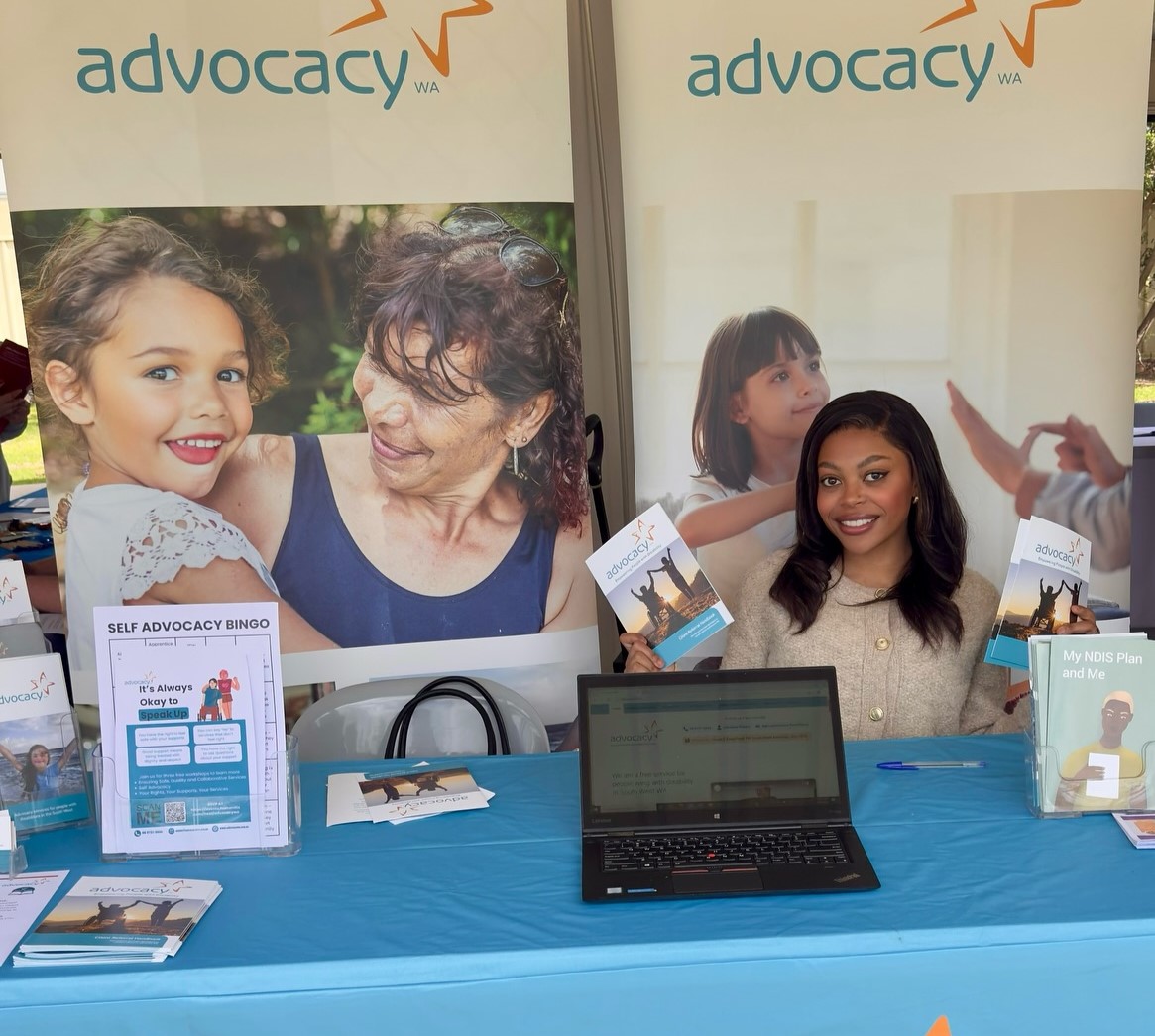
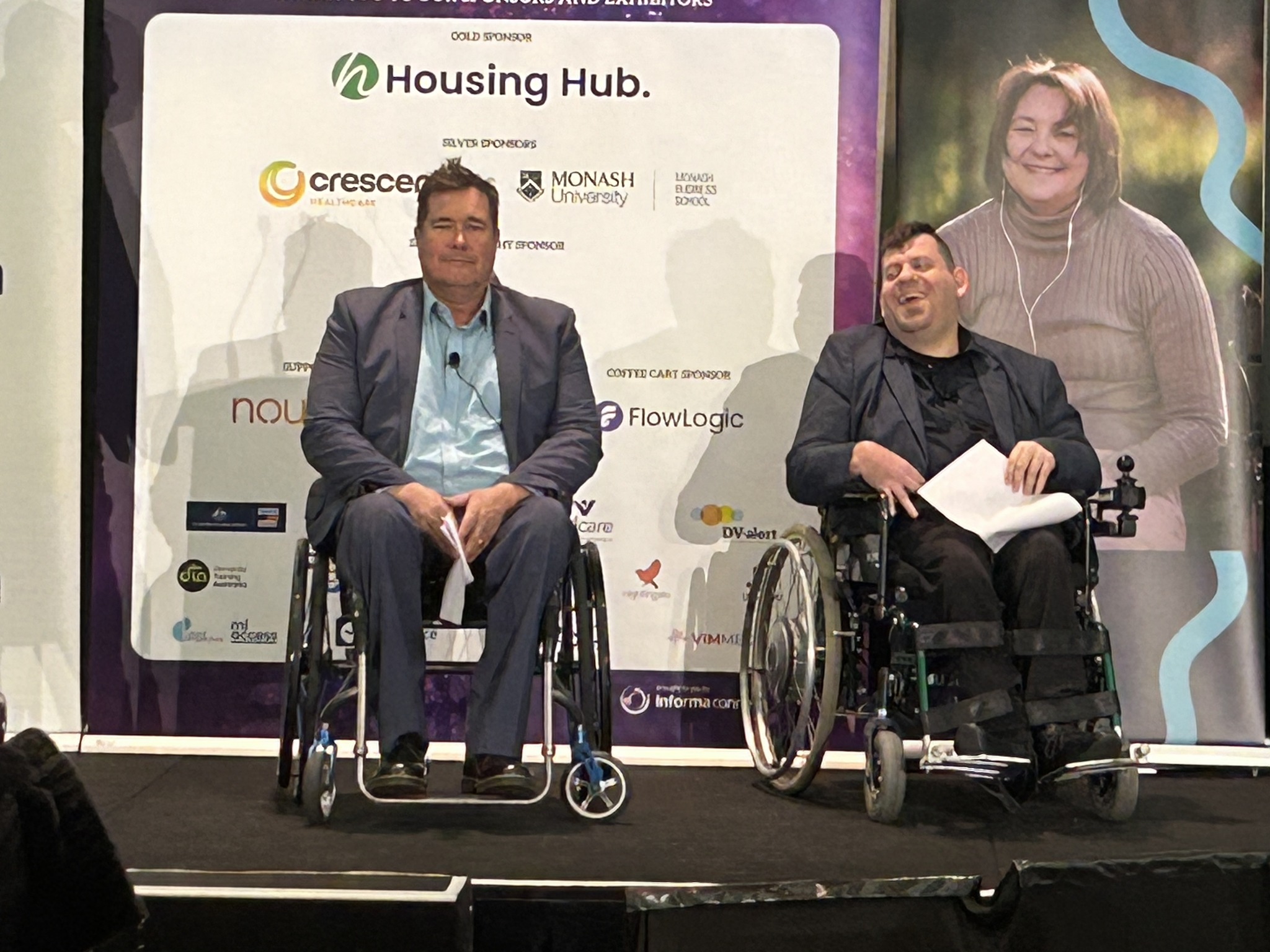
Over the past few months, Advocacy WA has been travelling across the South West to deliver free disability rights, self-advocacy, and quality and safeguards workshops.
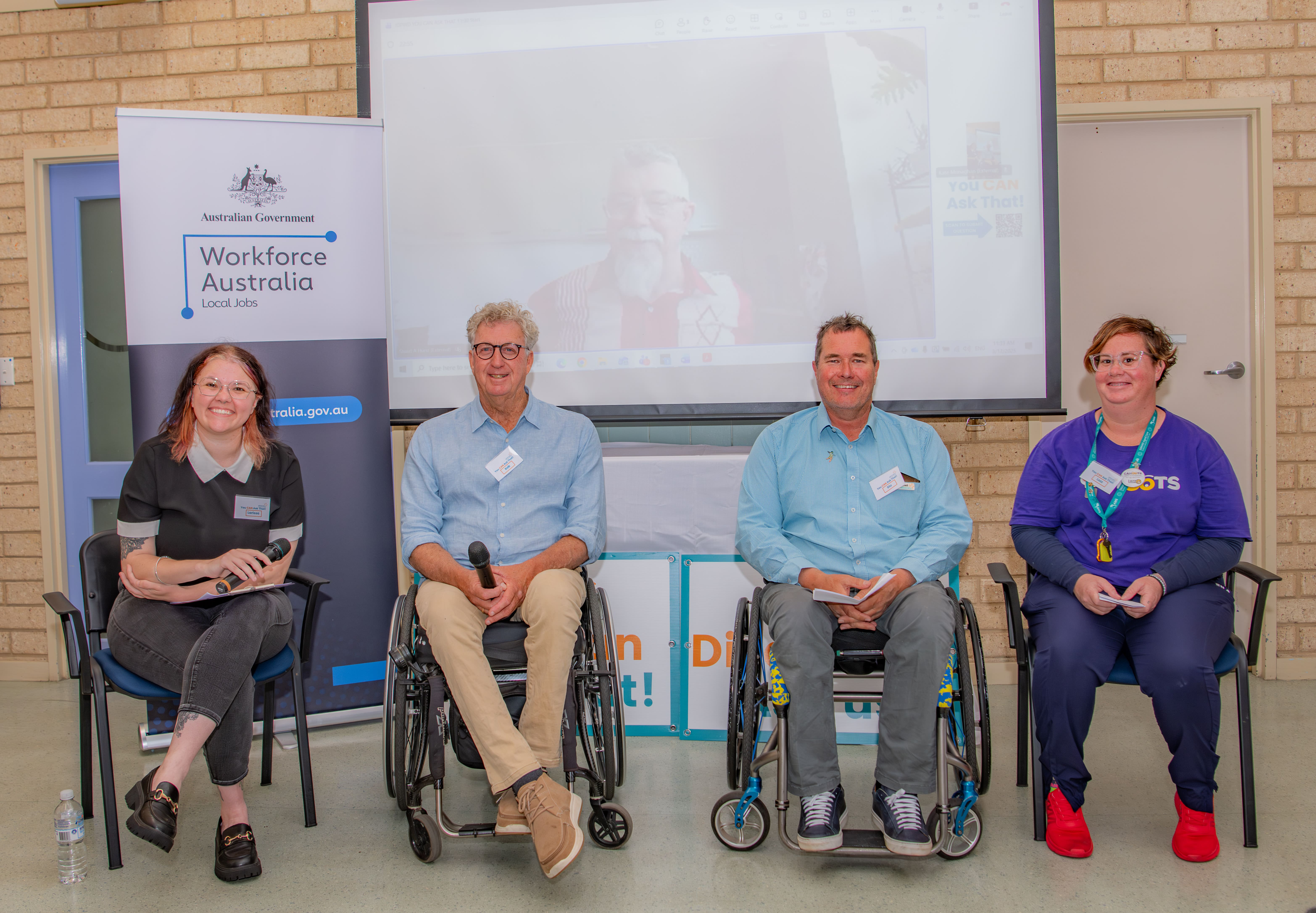
These roadshows have created space for people with disability, families, carers, support workers, providers, and community members to come together, ask questions, share experiences, and learn practical information.
Most importantly, they have reminded us that real change starts when communities are listened to.
More than a workshop
The Advocacy WA roadshows are not just information sessions.
They are a chance to connect with people in their own community and talk about what really matters.
Each session has focused on practical topics, including:
Understanding rights
Recognising safe and quality support
Speaking up when something does not feel right
Self-advocacy
Supported decision-making
Restrictive practices
How to raise concerns and complaints
What good support should look like
These conversations are important because rights information should not stay locked away in policies, paperwork, or complicated systems. People need information they can understand and use in everyday life.
People want clear information
One of the strongest messages we have heard is that people want information that is clear, practical, and easy to understand.
Many people told us they have heard words like rights, safeguards, complaints, restrictive practices, choice and control, and supported decision-making before, but they have not always been given time to understand what those words mean in real life.
Clear information helps people feel more confident.
It helps people know what questions to ask. It helps families and supporters understand how to support someone without taking over. It helps workers and providers understand their responsibilities. It helps people with disability recognise when something is not okay.
When information is accessible, people are better able to make informed choices.
Transport and distance are still major barriers
Across the region, transport continues to be one of the biggest barriers to inclusion.
For many people, attending a workshop, appointment, social event, or service is not as simple as getting in the car and going.
Some people do not drive. Some people cannot access reliable public transport. Some people need accessible transport options that are not always available. Others rely on support workers, family, friends, or community transport, which may not line up with the time or location of events.
Distance also matters.
Living in a regional area can mean travelling long distances for information, services, and support. This can create extra cost, stress, fatigue, and planning.
This is one of the reasons Advocacy WA is continuing to build hybrid and online options, so people can access information in more flexible ways.
People want to feel connected
Another key message we have heard is that people want more opportunities to connect.
Isolation can be a real issue for people with disability, especially in regional and rural communities. This can be made worse when events, buildings, groups, and services are not accessible or welcoming.
People have told us that community connection matters.
It matters to have spaces where people feel safe. It matters to have groups where people can talk openly. It matters to meet others who understand. It matters to be part of local conversations about what needs to change.
Connection is not an optional extra. It is part of inclusion.
Support workers and providers need this information too
The roadshows have also shown how important it is for support workers, providers, and community organisations to understand disability rights.
Good support does not happen by accident.
It requires knowledge, reflection, and a willingness to listen. It means understanding that people with disability have rights, not just needs. It means recognising that dignity, choice, communication, safety, and consent must be part of everyday practice.
Support workers and providers play an important role in people’s lives. When they have access to clear, practical training, they are better able to support people in ways that are respectful, safe, and person-centred.
Speaking up can feel hard
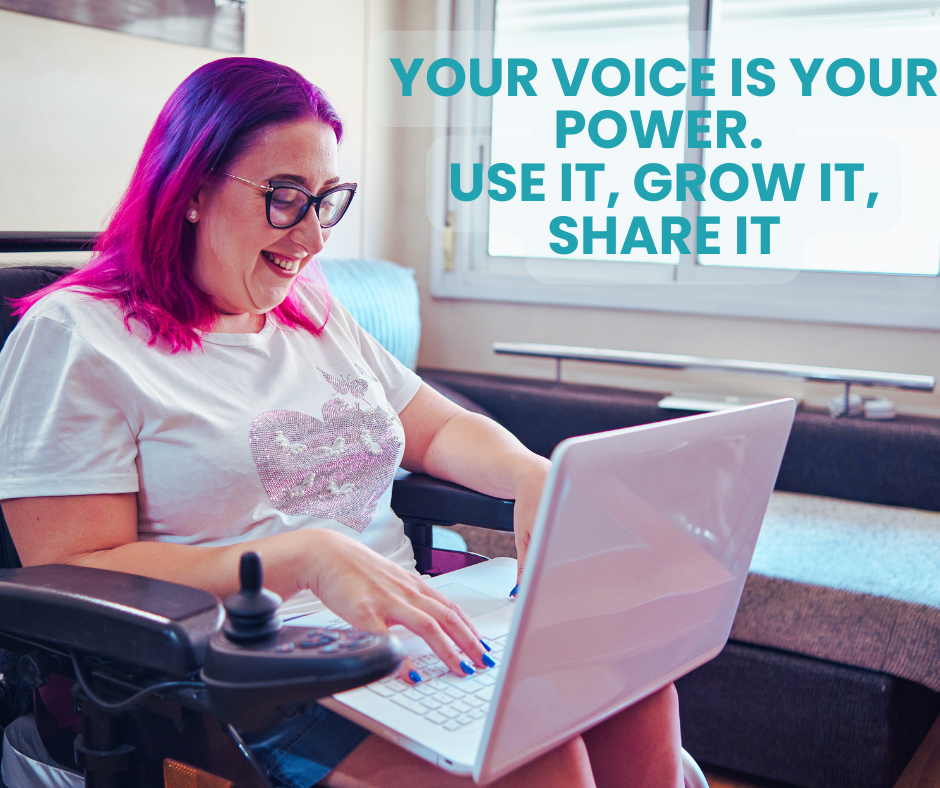
Many conversations during the roadshows have focused on self-advocacy.
People know speaking up is important, but it can also feel difficult.
Some people worry about being seen as rude or difficult. Some worry their support might be affected if they complain. Some people have had past experiences where they were not listened to, which can make it harder to try again.
This is why self-advocacy tools are so important.
Having a plan, writing things down, bringing a support person, asking for information in a different format, and knowing who to contact can make a big difference.
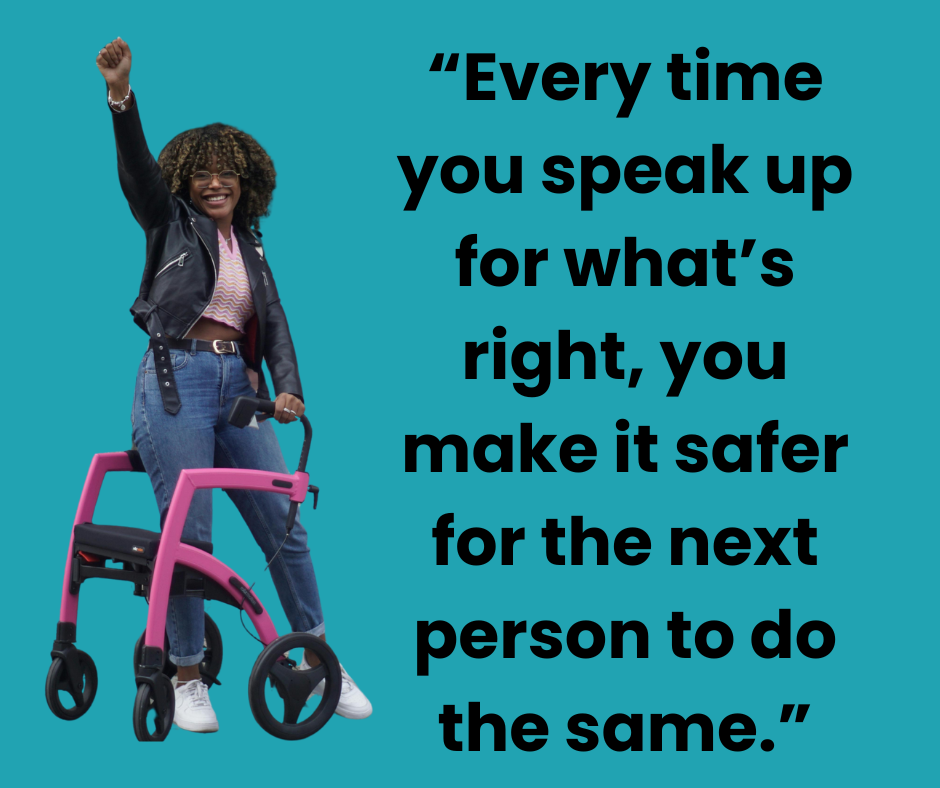
Speaking up should not be something people have to do alone.
Rights are the starting point
A strong theme across the roadshows has been that rights are the starting point, not the bonus.
People with disability have the right to safety, dignity, respect, choice, communication, privacy, community participation, and freedom from abuse, neglect, and exploitation.
These rights should be understood and upheld in everyday life.
That includes in homes, workplaces, schools, community spaces, support services, health settings, events, transport, and public places.
When people understand rights, they are better able to recognise when something is not okay. When communities understand rights, they are better able to create safer and more inclusive spaces.
Local communities know what needs to change
Every town and community has its own access barriers.
Sometimes it is transport. Sometimes it is communication. Sometimes it is attitudes. Sometimes it is buildings, pathways, toilets, parking, sensory environments, or lack of local information.
The people who live in each community often know these barriers best.
That is why local voices matter.
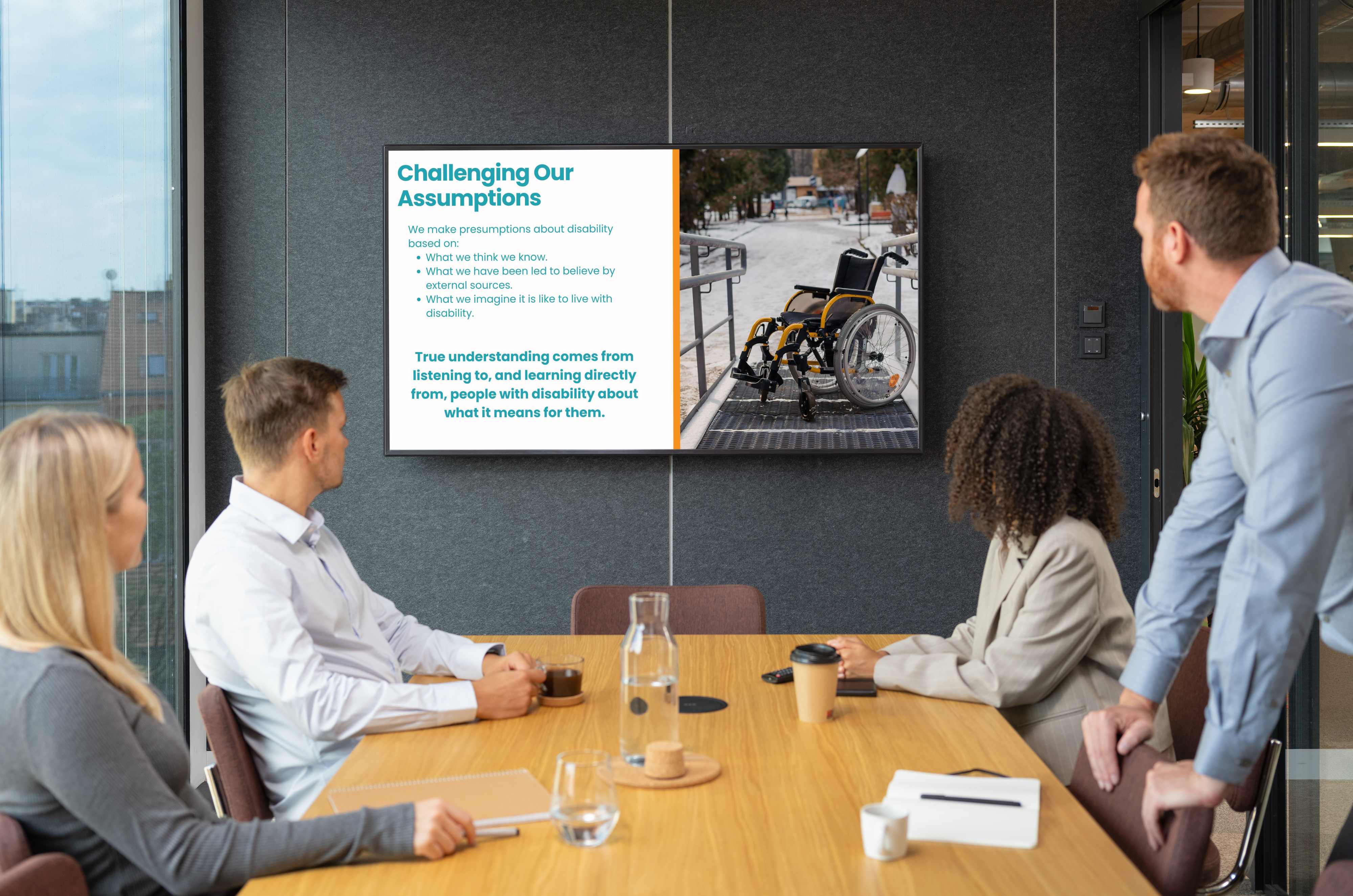
People with disability should be part of conversations about access and inclusion from the beginning, not brought in at the end to approve decisions that have already been made.
When communities listen to lived experience, solutions become stronger, more practical, and more meaningful.
What comes next?
Advocacy WA will continue travelling across the region, delivering workshops, building local connections, and listening to what communities need.
We will also keep developing flexible ways for people to take part, including online and hybrid options where possible.
To see upcoming roadshow dates and book your free ticket, click here:
https://events.humanitix.com/host/advocacywa
The roadshows are part of a bigger vision: helping make the South West more inclusive and accessible.
That vision cannot be achieved by one organisation alone. It takes people with disability, families, carers, supporters, providers, businesses, councils, schools, services, and community groups working together.
Inclusion is everyone’s responsibility.
Final message
The roadshows have shown us something powerful.
People want to learn. People want to connect. People want to do better. People want communities where everyone can take part.
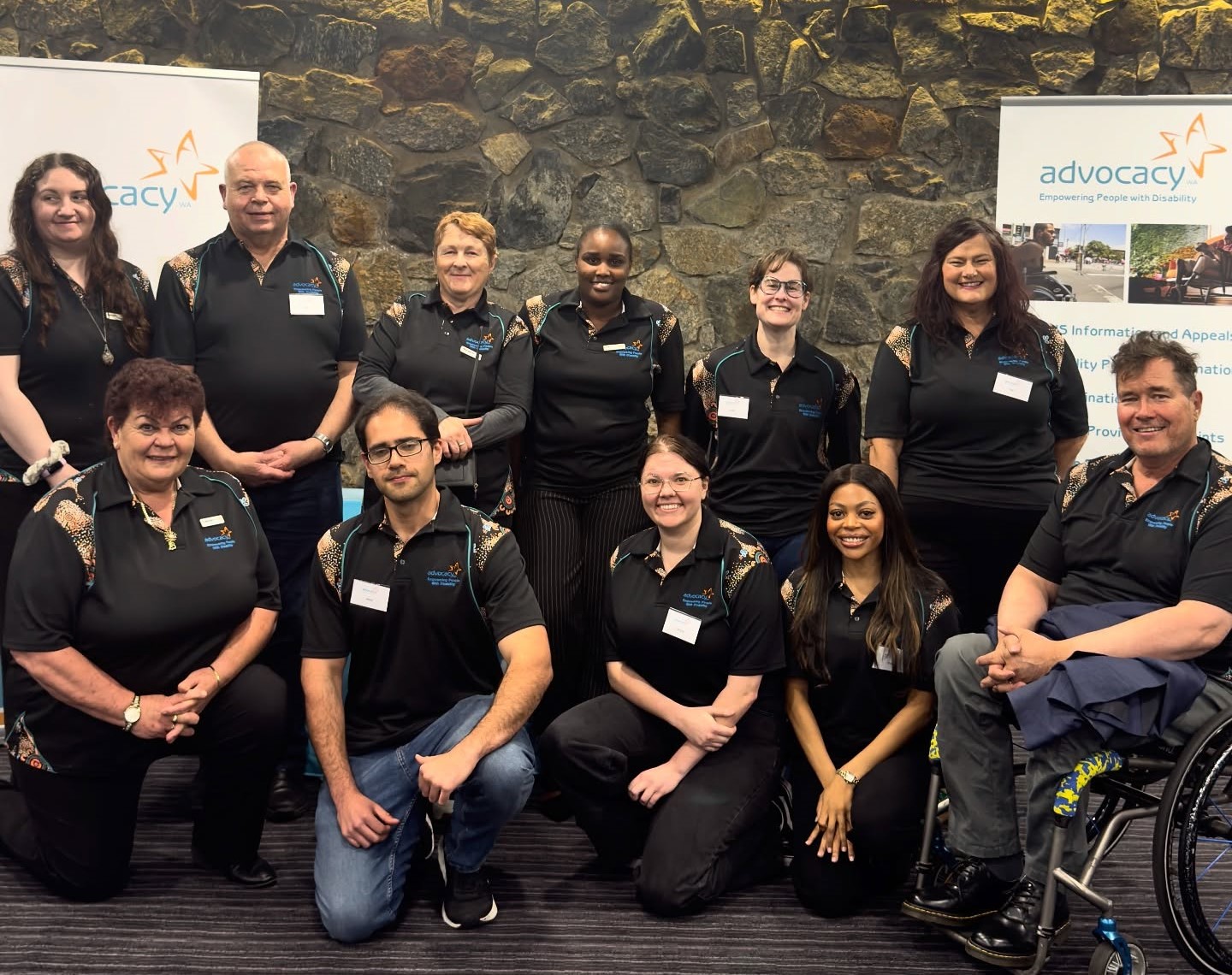
At Advocacy WA, we are grateful to every person who has attended, asked a question, shared a story, or helped bring these sessions to their community.
Your voices matter.
Your experiences matter.
And together, we can keep building communities where people with disability are heard, respected, and included.


.png)
.png)
.png)
.png)
.png)


.png)
.png)
.png)
.png)
.png)
.png)
.png)



.png)
.png)

.png)


.png)
.png)
.png)
.png)
.png)

.png)
.png)
.png)
.png)
.png)

.png)
.png)

.png)
.png)