Accessible travel matters: planning, confidence, and inclusive airports
Accessible travel is about more than getting from one place to another. It is about dignity, choice, confidence, and being able to participate in life on an equal basis. For people with disability, accessible travel can be the difference between feeling anxious and excluded or feeling supported and empowered to explore, connect, work, study, or visit loved ones.
Airports play a critical role in this experience. They are often the first and last touchpoint of a journey, and how accessible they are can shape how safe and confident a person feels about travelling at all.
Why accessible travel is so important
Travelling can involve busy environments, complex information, security processes, long distances, and unexpected changes. For many people with disability, these factors can create additional barriers unless accessibility and inclusion are built in from the start.
Accessible travel supports people to:
- Move independently and safely through unfamiliar environments
- Access clear and easy to understand information
- Receive respectful and appropriate support when needed
- Travel for work, health, family, culture, and leisure without unnecessary stress
When accessibility is prioritised, everyone benefits. Clear signage, step free access, trained staff, and multiple ways to get information make travel easier for families, older people, people with temporary injuries, and the broader community.
Perth Airport and inclusive travel
Perth Airport has publicly committed to improving access and inclusion through its Disability Access and Inclusion Plan (DAIP) 2022 to 2025. This plan sets out a whole of organisation approach to reducing barriers and creating a more inclusive airport experience for people with disability.
The DAIP recognises that access to air travel is essential for social inclusion, business, leisure, and medical access. It focuses on eight key outcome areas, including terminal access, information delivery, quality of service, employment, governance, consultation, services and events, and industry leadership.
Some key commitments outlined in the DAIP include:
- Improving physical access across terminals, facilities, parking, and retail spaces
- Ensuring information is available in accessible formats and meets recognised accessibility standards
- Training staff so people with disability receive the same level of service as all other travellers
- Actively consulting with people with disability and disability representative groups
- Taking a leadership role in accessibility across airport partners and services
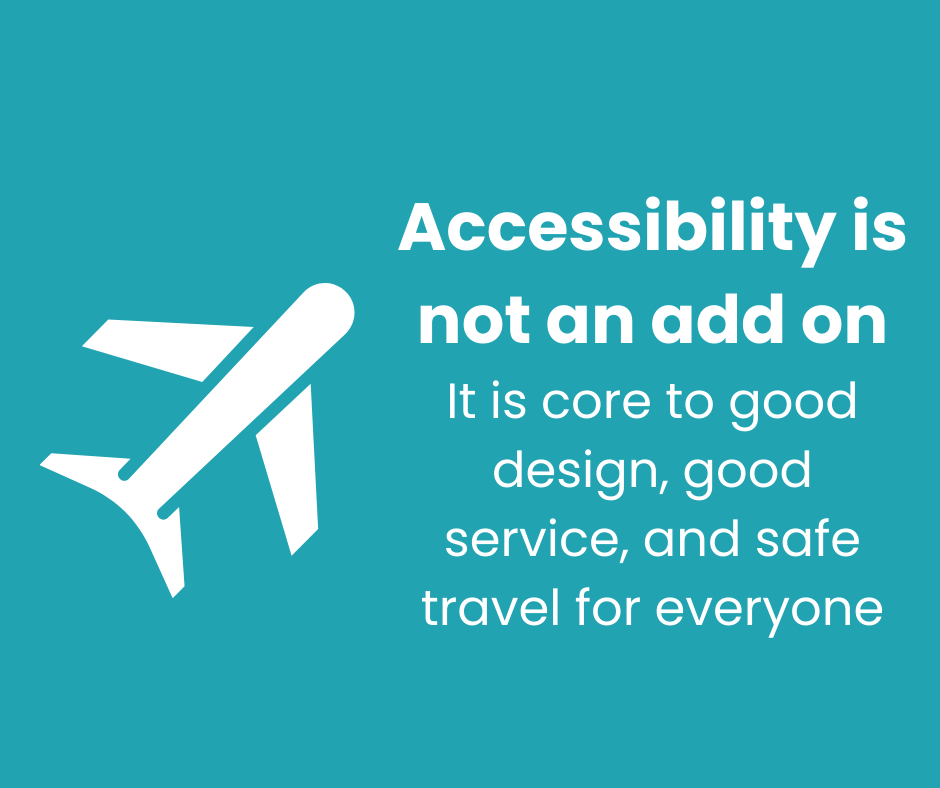
These commitments reflect a growing understanding that accessibility is not an add on. It is core to good design, good service, and safe travel for everyone.
Practical accessibility information for travellers
Perth Airport also provides clear, practical information for travellers through its accessibility webpage:
https://www.perthairport.com.au/accessibility
This page includes details about:
- Passenger assistance and how to request support
- Travelling with mobility aids and assistive equipment
- Accessible parking and transport options
- Hidden disability support and quiet spaces
- Service animals and travelling with assistance dogs
- Tips to help plan your journey before you arrive
Having this information available in one place supports people to plan ahead, understand their options, and make informed decisions about what supports they may need.
Busselton Margaret River Airport and accessible regional travel
Accessible travel is just as important in regional communities. Busselton Margaret River Airport plays a key role in connecting people across the South West and beyond, supporting access to work, health care, education, family, and community life.
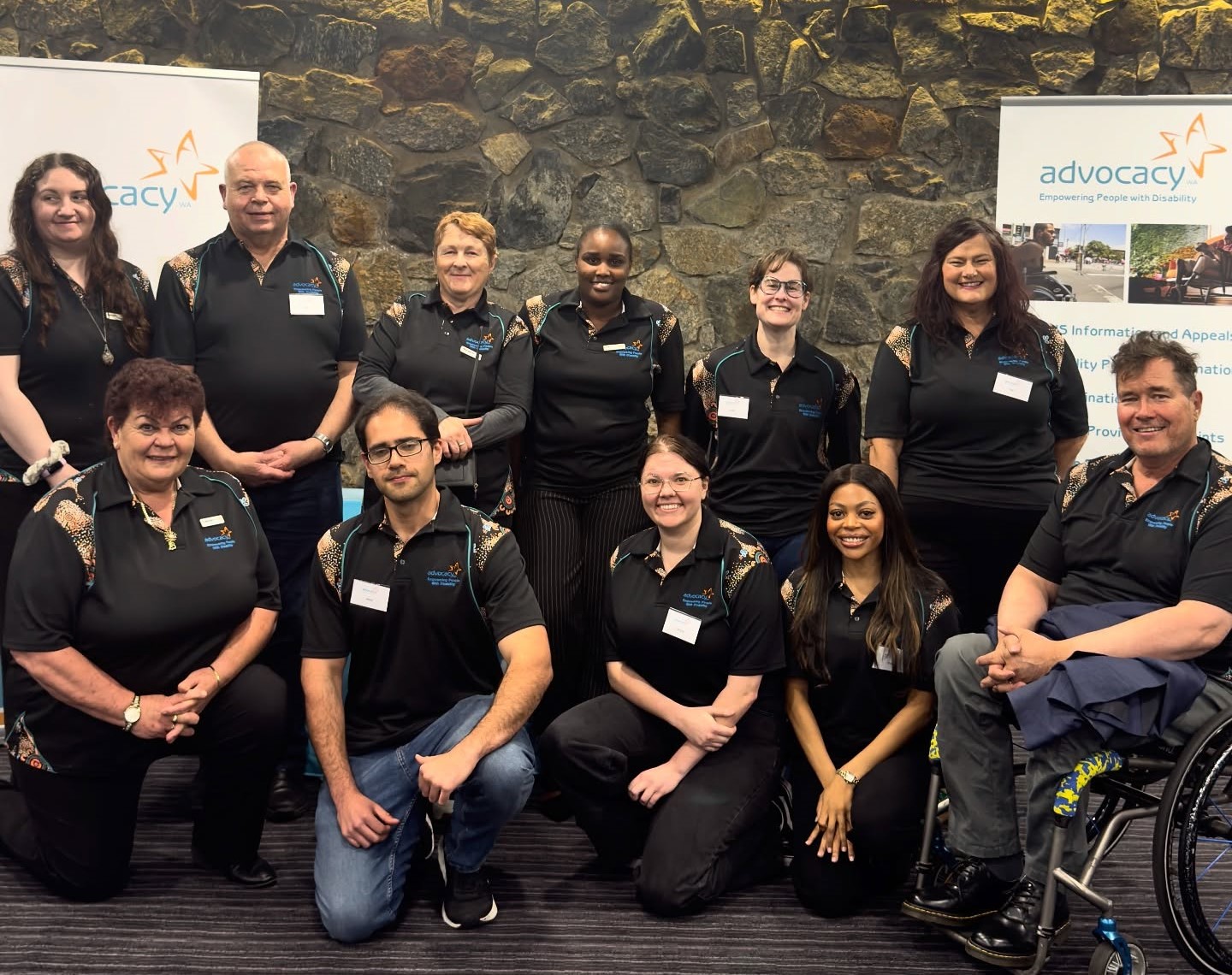
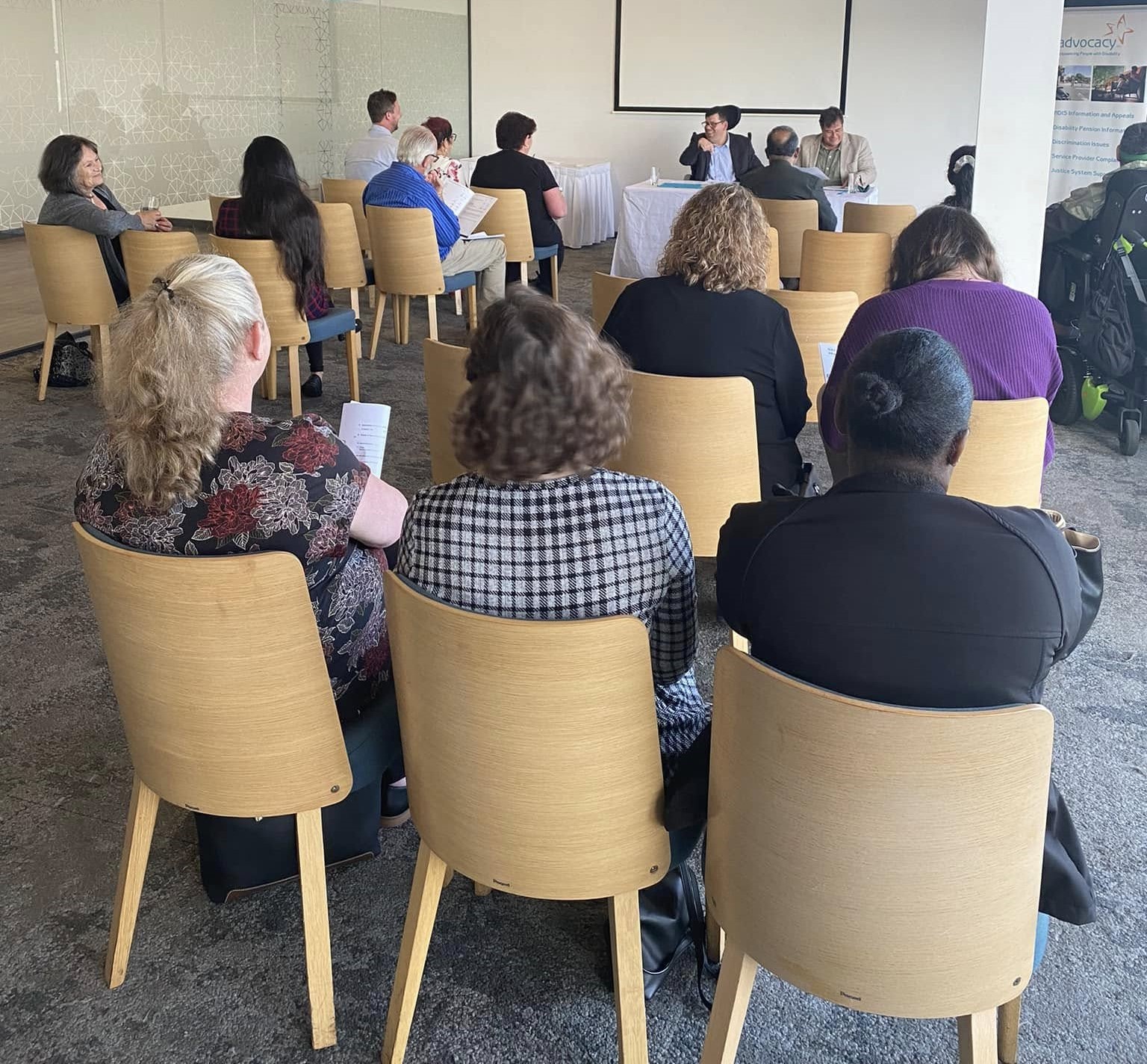
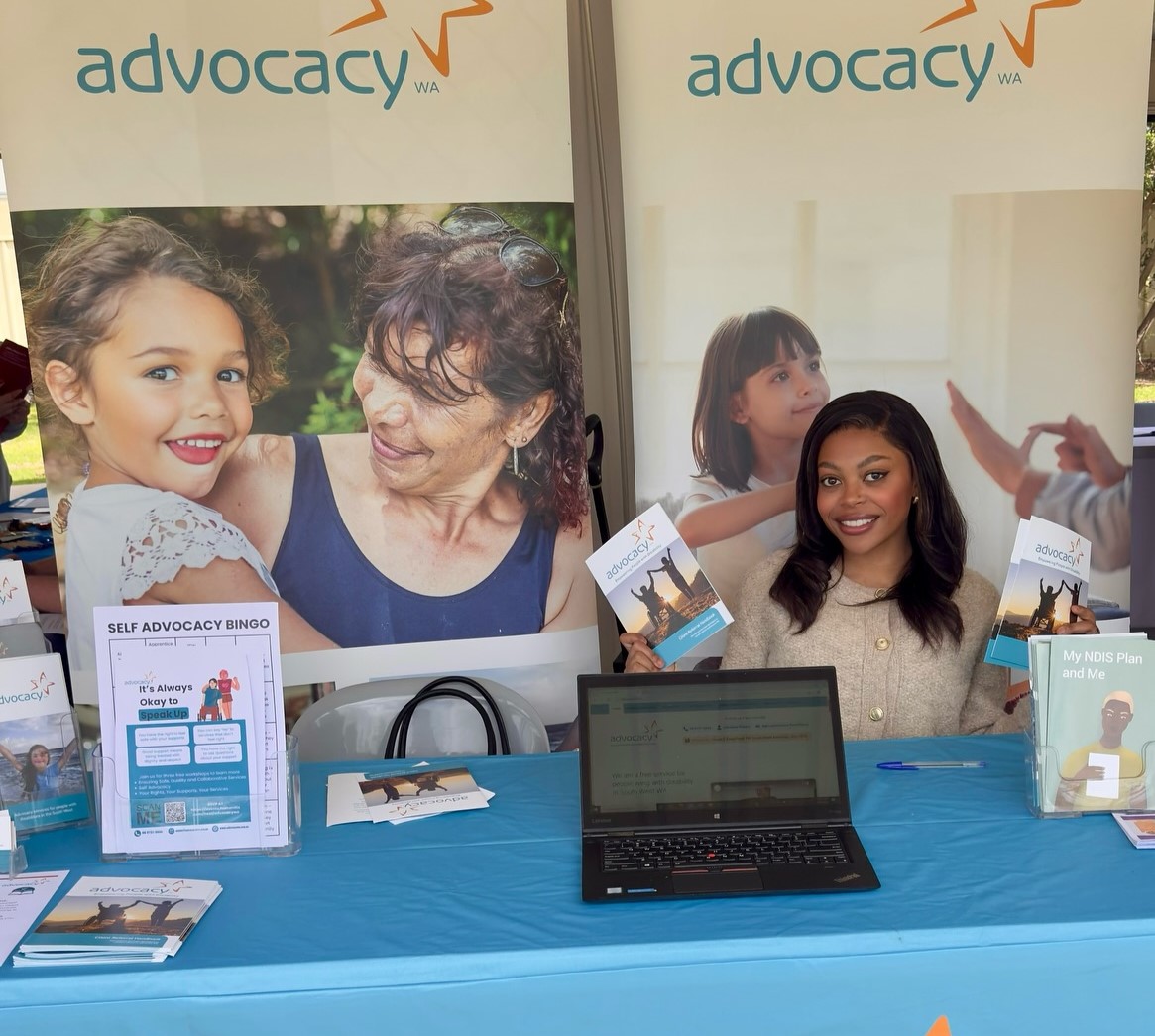
Accessibility is a strong focus for the airport, and they work closely with us at Advocacy WA to ensure access and inclusion are considered across planning, services, and traveller experiences. This collaboration supports a shared commitment to reducing barriers and creating an airport environment where people with disability feel welcomed, respected, and supported from arrival to departure.
By prioritising accessibility in a regional setting, Busselton Margaret River Airport demonstrates that inclusive design and good service are not limited to major city hubs. They are essential everywhere people travel. This focus helps build confidence for travellers with disability and strengthens the South West as a connected, inclusive region for everyone.
For more information about the airport and its services, visit
https://www.busseltonmargaretriverairport.com.au/
Moving towards more inclusive journeys
Accessible travel is a shared responsibility. Airports, airlines, service providers, and communities all play a role in creating environments where people with disability can travel with confidence and dignity.
Airport’s DAIP and accessibility resources are an important step towards more inclusive travel experiences. Ongoing consultation, feedback, and continuous improvement will help ensure these commitments translate into meaningful change for people with disability now and into the future.
Because everyone deserves the freedom to travel, connect, and belong.


.png)
.png)
.png)
.png)
.png)



.png)
.png)
.png)
.png)
.png)
.png)
.png)



.png)


.png)





.png)



.png)
.png)
.png)

.png)
.png)


.png)
.png)
.png)
.png)
.png)

.png)

.png)

.png)


.png)