Being Prepared Matters: New DFES Resources for People at Higher Risk in Emergencies
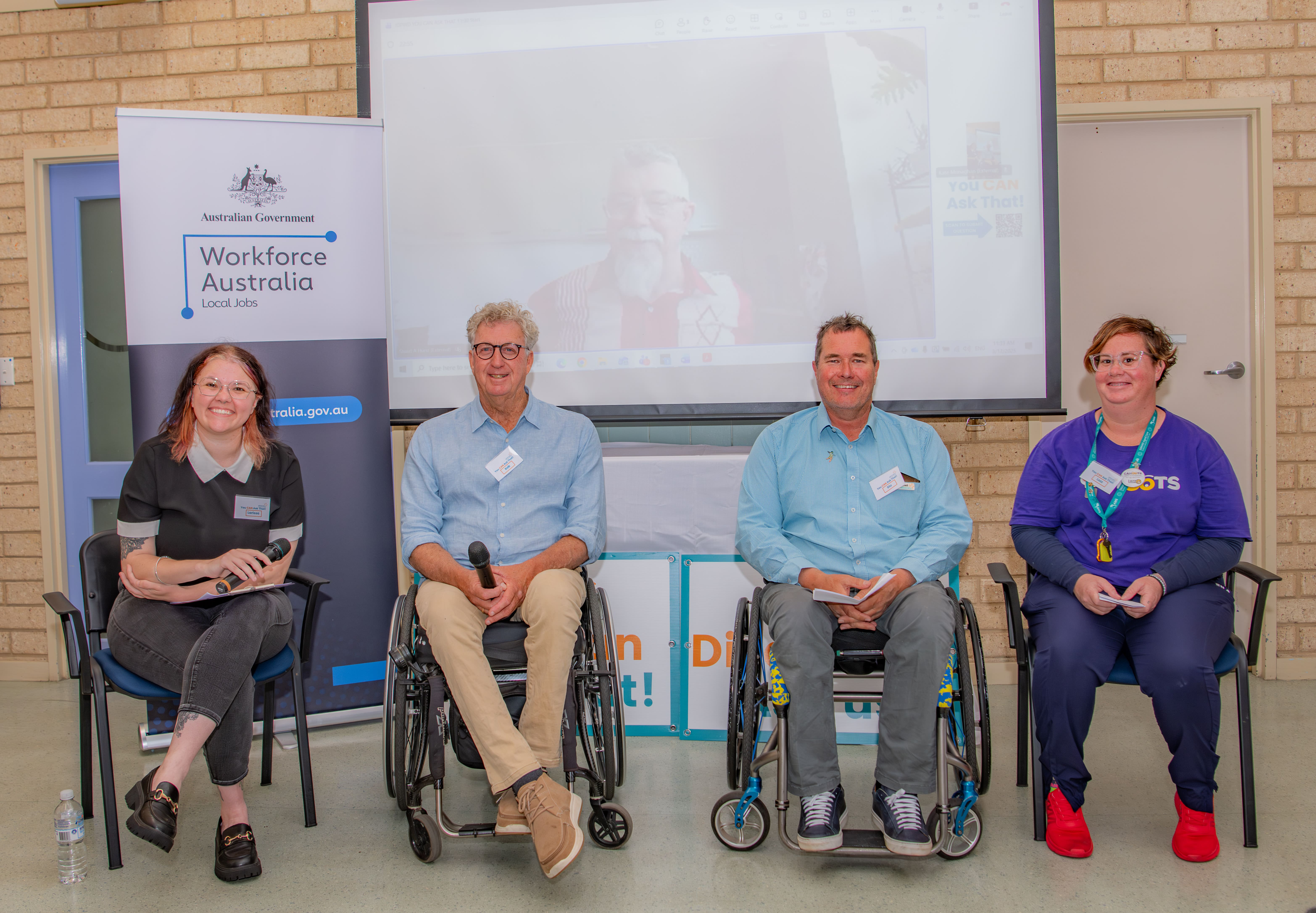
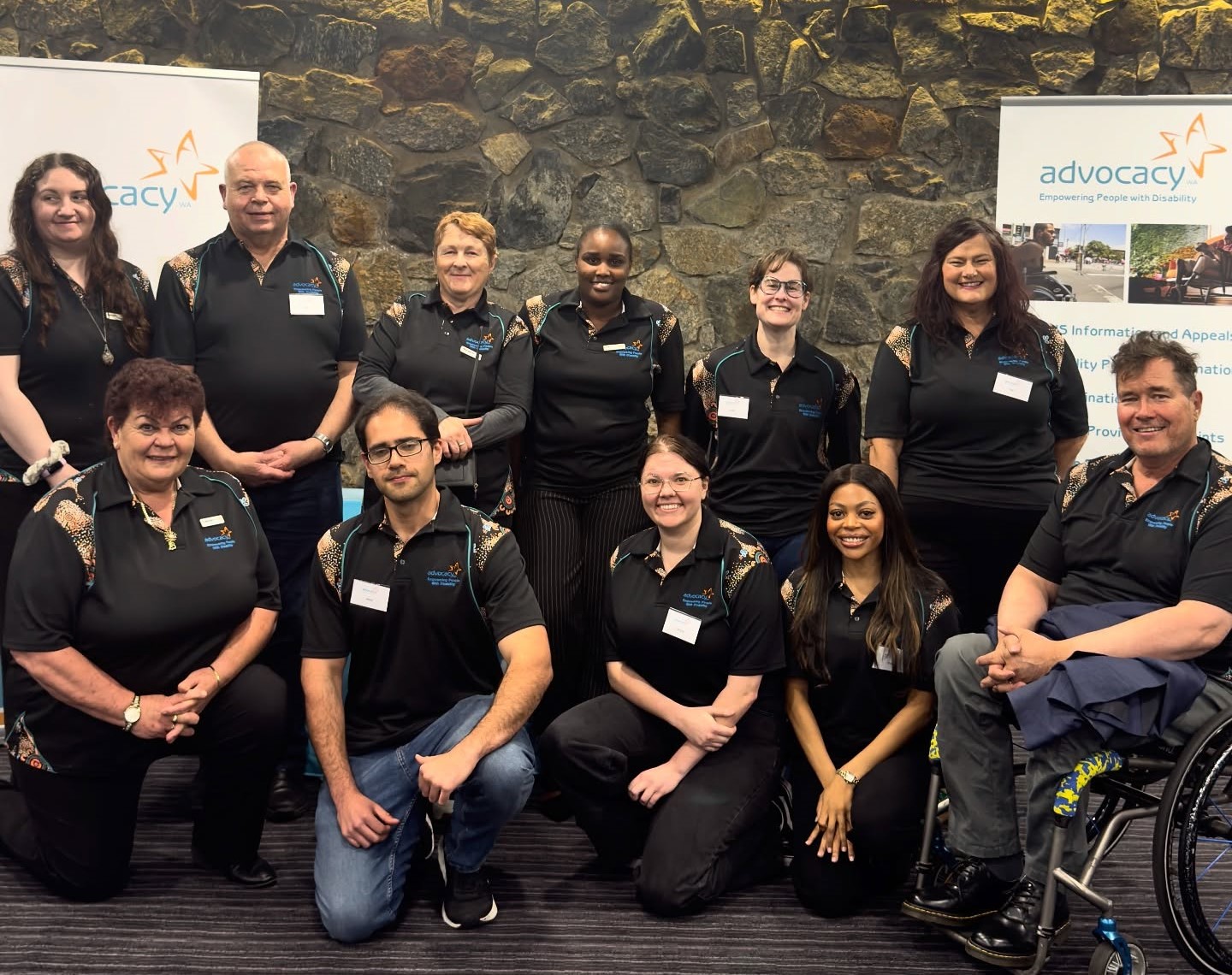
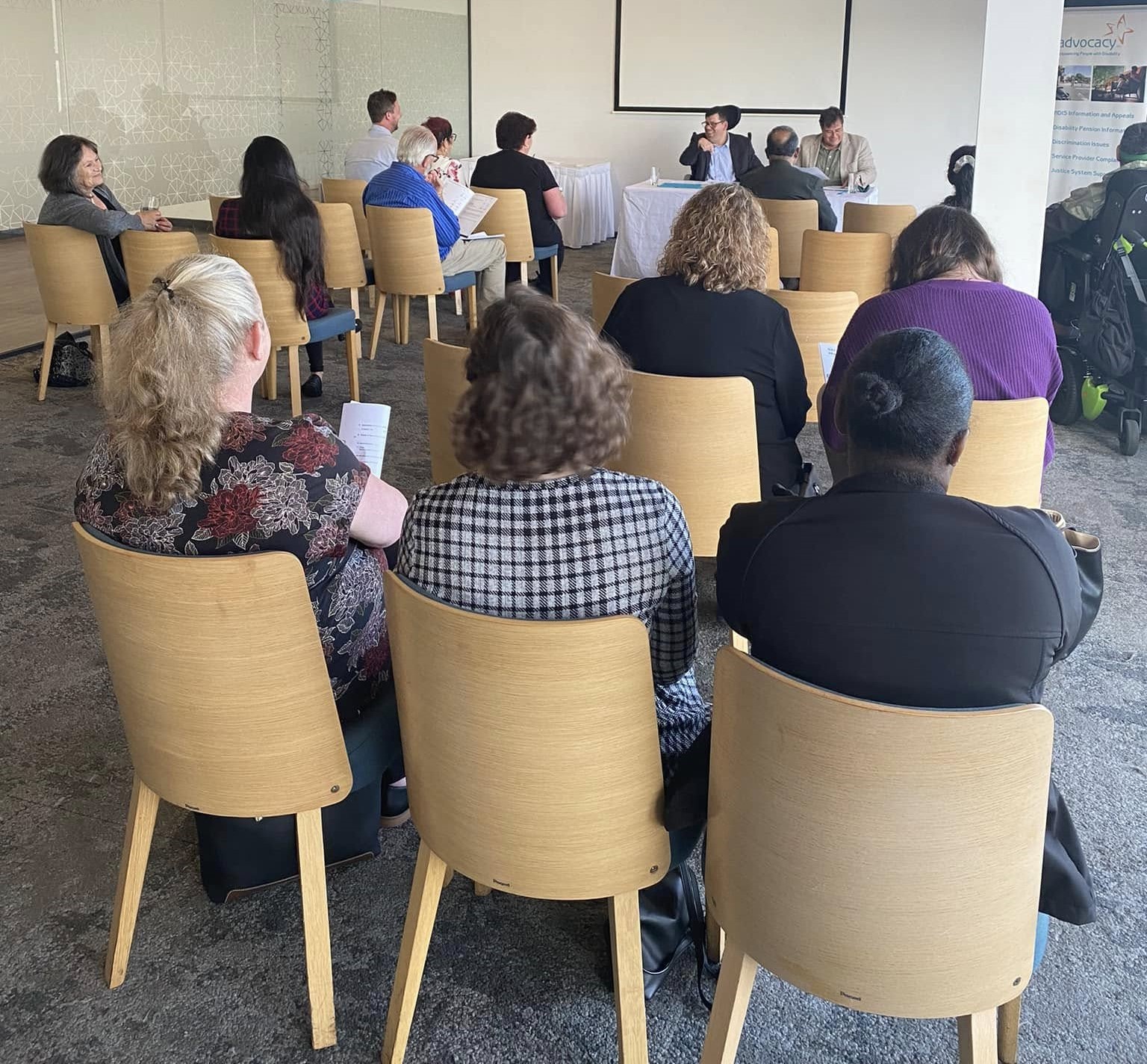
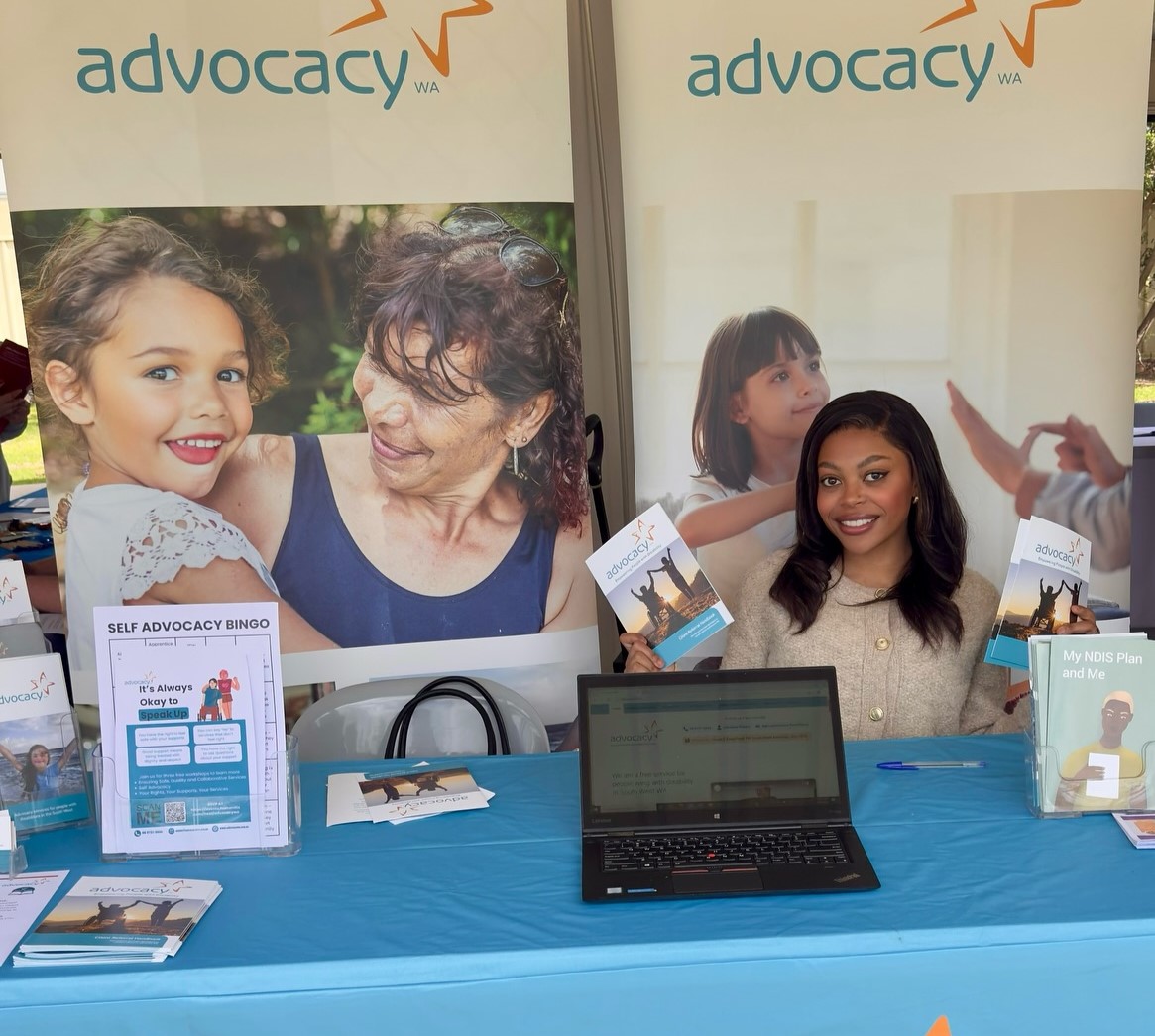
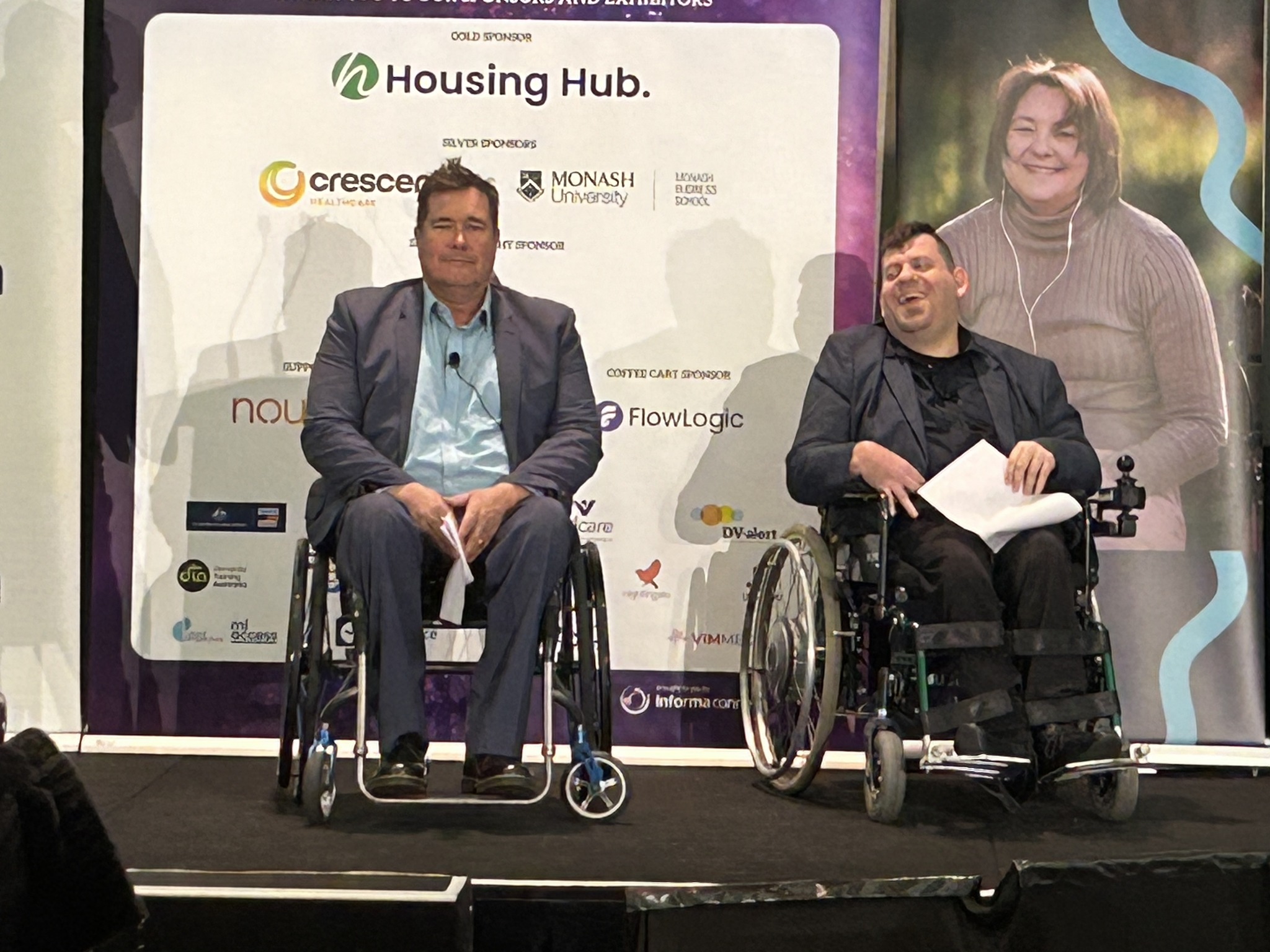
Many Advocacy WA team members attended Disability Inclusive Emergency Management DIEM forums last year across communities in the South West and beyond. A consistent message came through every conversation: preparation saves lives, and inclusive planning is essential.
Emergencies do not affect everyone in the same way. Some people face additional barriers before, during, and after an emergency due to disability, health conditions, communication needs, mobility, social isolation, or reliance on supports and services. Planning that recognises these realities is critical.
The Department of Fire and Emergency Services has launched a new People at Higher Risk webpage designed to support individuals, families, service providers, and communities to prepare in ways that are practical, accessible, and inclusive.
What does “people at higher risk” mean?
DFES uses the term “people at higher risk” to describe people who may need extra support to prepare for, respond to, or recover from an emergency. This can include people with disability, older people, people with chronic health conditions, people with limited English, and people who rely on support services, assistive technology, or carers.
The key message is simple: risk is not about the person, it is about the barriers they face. Good planning can reduce those barriers.
What the new DFES page includes
The People at Higher Risk page brings together tools and information that can be used by individuals and the people around them.
Self assessment quiz
A short, easy to use quiz helps people think about their own situation and identify what might make an emergency harder for them. This can include things like needing help to move quickly, relying on power for medical equipment, needing information in accessible formats, or requiring support animals.
Accessible resources
DFES provides practical tools in Easy English and multiple languages. These resources explain emergency risks, planning steps, and what to do before, during, and after an emergency in clear and accessible ways.
Guidance for support networks and services
There is information specifically for service providers, families, carers, and support workers. This guidance encourages shared responsibility and proactive planning, including talking about emergency plans, understanding individual needs, and knowing how to support someone safely.
Community partnership examples
The page also highlights examples of community partnerships that strengthen preparedness and resilience. These examples show how local organisations, services, and communities can work together so people are not left behind during emergencies.
How you can use this information
If you are a person with disability, you can use the quiz and resources to start or update your own emergency plan.
If you are a family member, friend, or support person, you can use the guidance to better understand how to support someone safely.
If you work in a service or community organisation, you can share these resources and build emergency planning into your everyday practice.
You can access the DFES People at Higher Risk page here:
https://dfes.wa.gov.au/hazard-information/at-risk-communities
If there is anyone in your community who would benefit from this information, please pass it on. Being prepared together helps build safer, more inclusive communities for everyone.


.png)
.png)
.png)
.png)
.png)


.png)
.png)
.png)
.png)
.png)
.png)
.png)



.png)
.png)

.png)


.png)
.png)
.png)
.png)
.png)

.png)
.png)
.png)
.png)
.png)

.png)
.png)

.png)
.png)