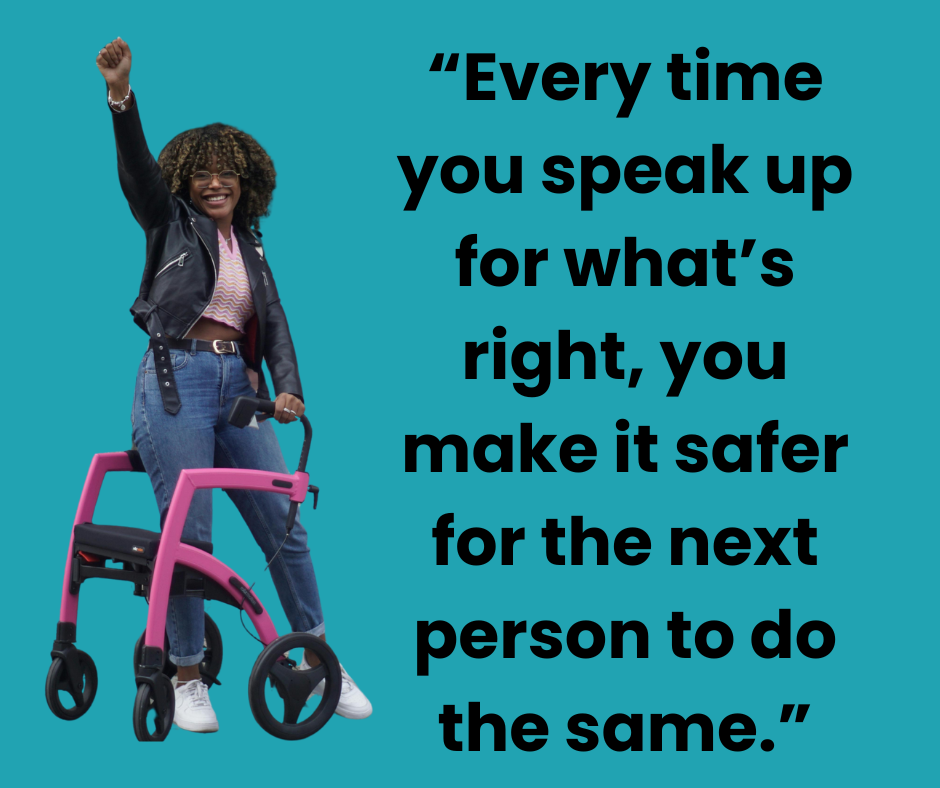
Be Your Own Cheerleader: What We Learned From People Across the South West
Sometimes advocacy starts with one simple message:
You are allowed to back yourself.
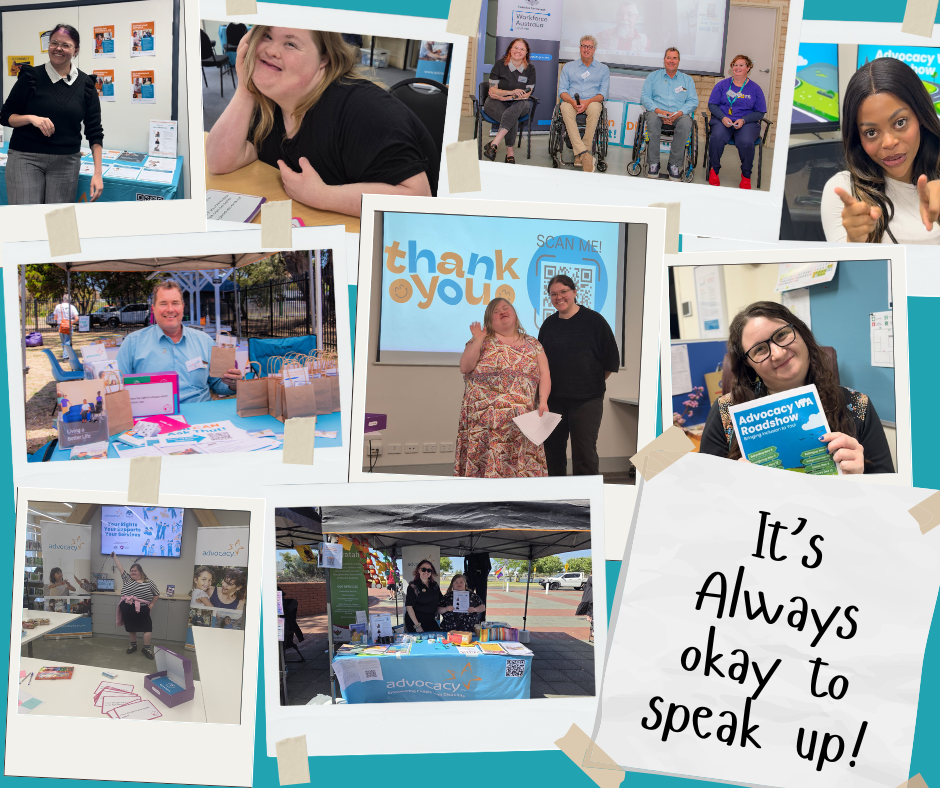
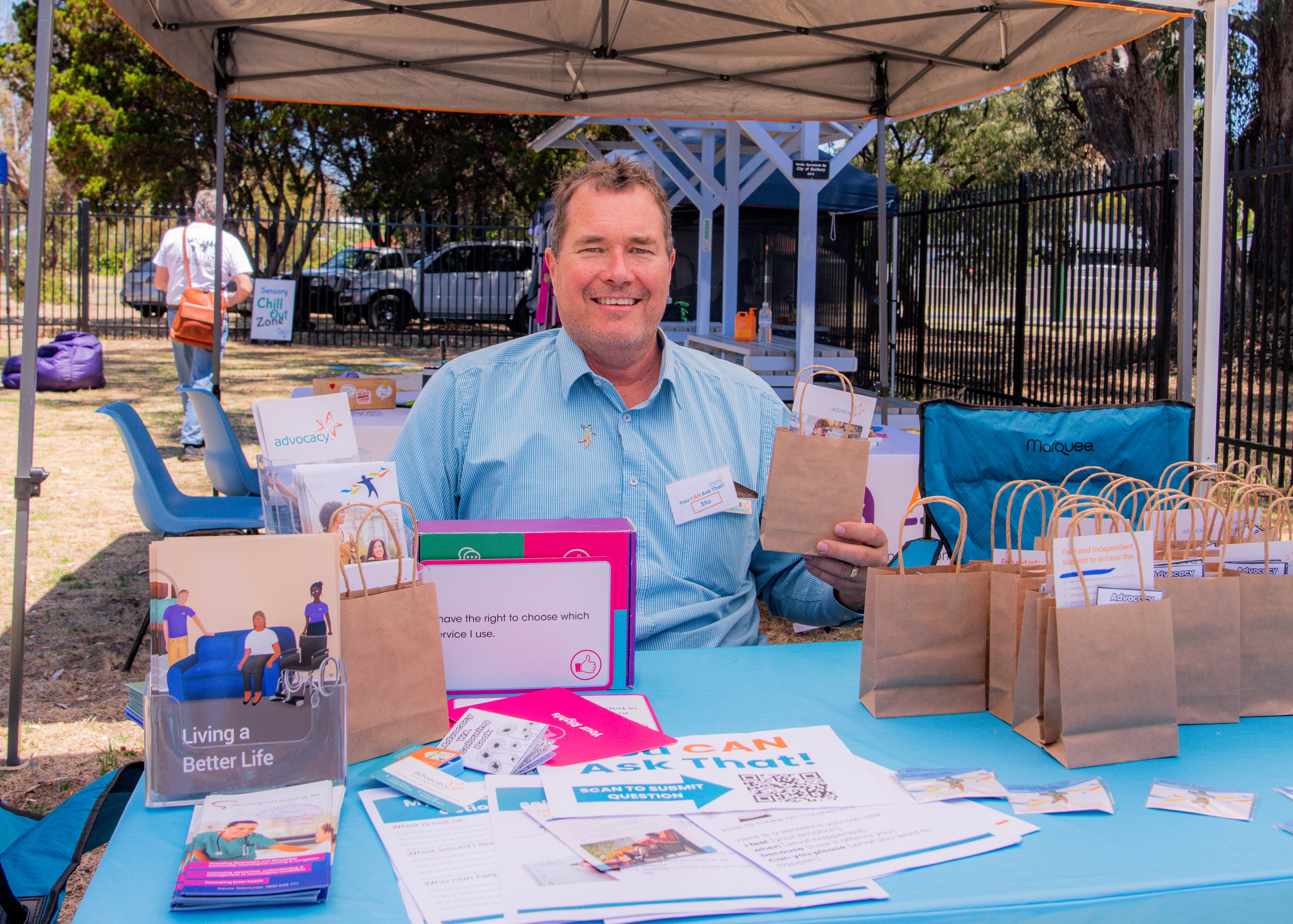
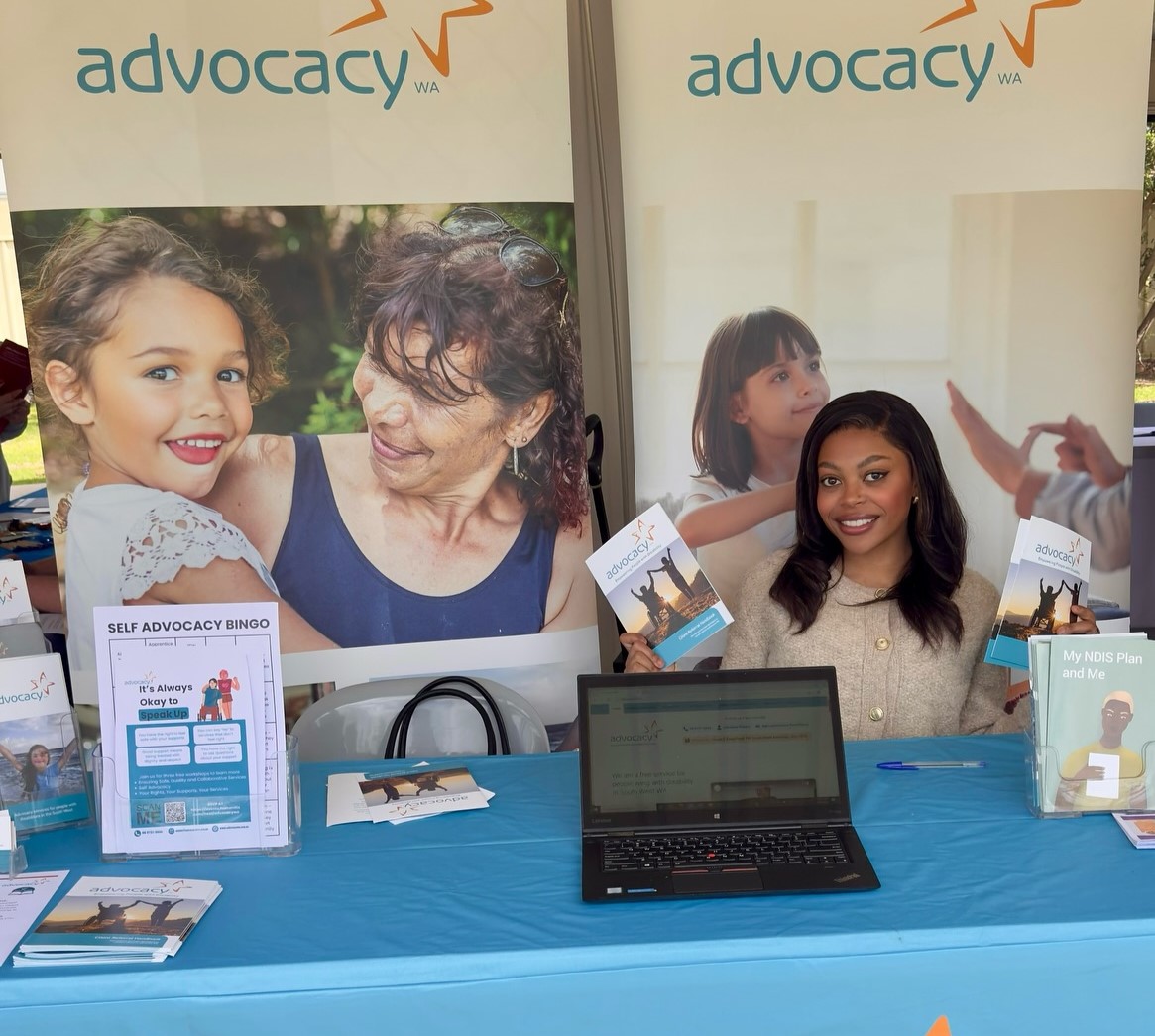
Across our roadshows, workshops, community conversations, and peer support spaces, Advocacy WA has heard from people with disability across the South West about what helps them feel confident, included, and supported.
One message keeps coming through strongly.
People want to be heard. People want clear information. People want to feel safe asking questions. People want support that respects their choices. And people want to know that their voice matters.
Being your own cheerleader does not mean pretending everything is easy. It means recognising your own worth, knowing your rights, and giving yourself permission to speak up.
Confidence can grow
Many people are not taught how to speak up for themselves.
For people with disability, this can be even harder when systems are confusing, services use complicated language, or past experiences have made someone feel ignored, judged, or dismissed.
Confidence does not always appear overnight.
It can grow slowly through small moments.
Asking a question.
Saying no.
Taking time to think.
Bringing a support person to a meeting.
Asking for information in a way that is easier to understand.
Telling someone what good support looks like for you.
These moments matter.
Each one is a step towards stronger self-advocacy.
You do not have to know everything to speak up
A lot of people worry they need to know every rule, every policy, or every exact word before they can advocate for themselves.
You do not.
You are allowed to ask questions.
You are allowed to say, “I do not understand.”
You are allowed to ask someone to explain something again.
You are allowed to ask for more time.
You are allowed to get support before making a decision.
Self-advocacy is not about having all the answers. It is about knowing that your voice belongs in the conversation.
Your feelings can tell you something important
Sometimes people know something does not feel right before they have the words to explain it.
Maybe a support worker speaks over you.
Maybe a service makes decisions without you.
Maybe you feel rushed, unsafe, embarrassed, or ignored.
Maybe you leave a meeting feeling confused instead of informed.
Those feelings matter.
They can be signs that something needs to change.
You do not need to wait until a situation becomes serious before you ask questions or raise a concern. Speaking up early can help stop small issues from becoming bigger ones.
Good support should lift you up
Good support should help people feel stronger, not smaller.
It should help people build skills, make choices, take part in community, and feel more confident in their own lives.
Good support should sound like:
“What works best for you?”
“Would you like more time?”
“How would you like this information?”
“What do you want to happen next?”
“Would you like support to make this decision?”
“Is this still working for you?”
These questions show respect. They remind us that support should be done with people, not to people.
Community helps build confidence
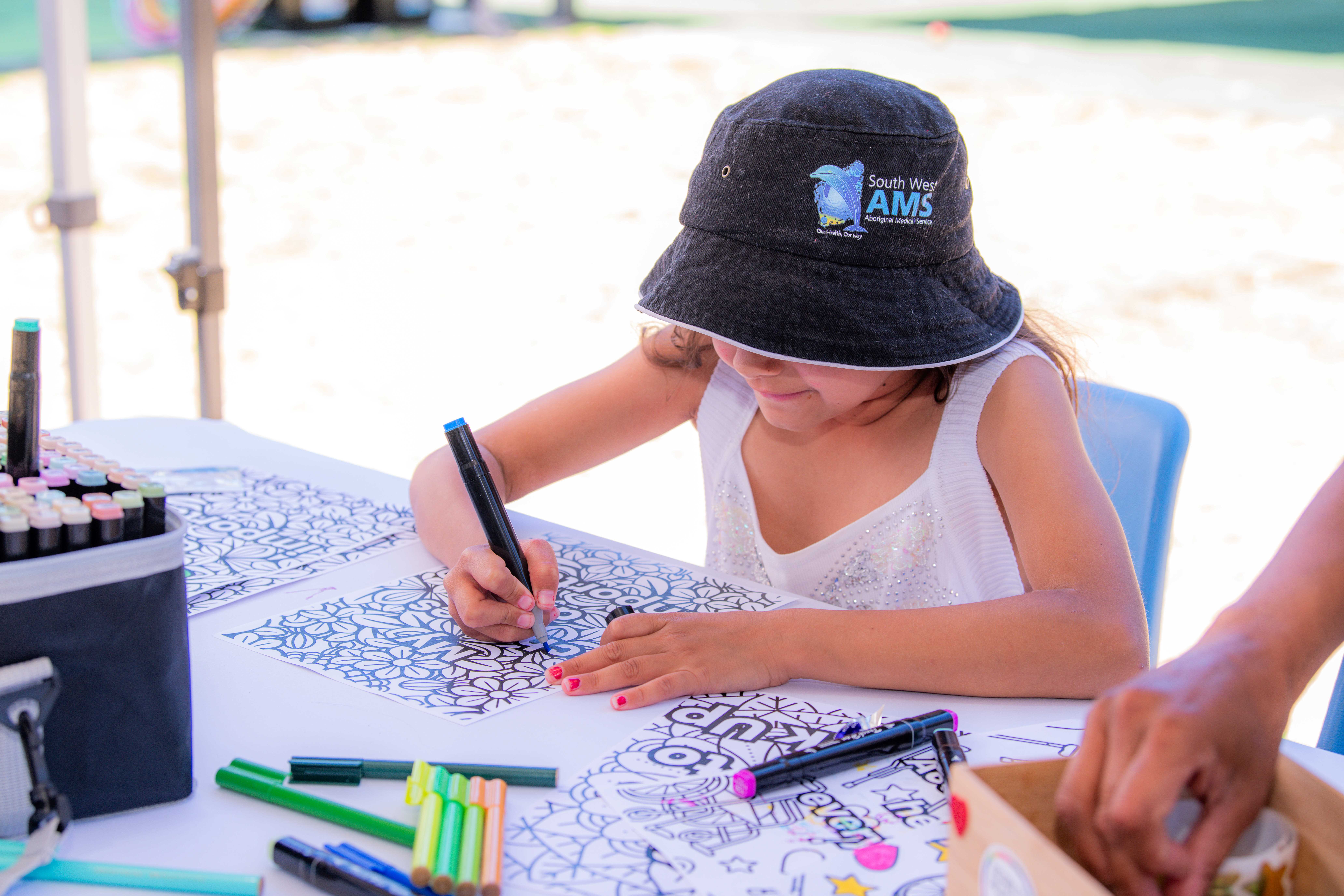
One of the most powerful parts of the roadshows has been seeing people connect with each other.
When people share stories, ask questions, and hear from others with similar experiences, it can reduce isolation.
It can help people realise they are not alone.
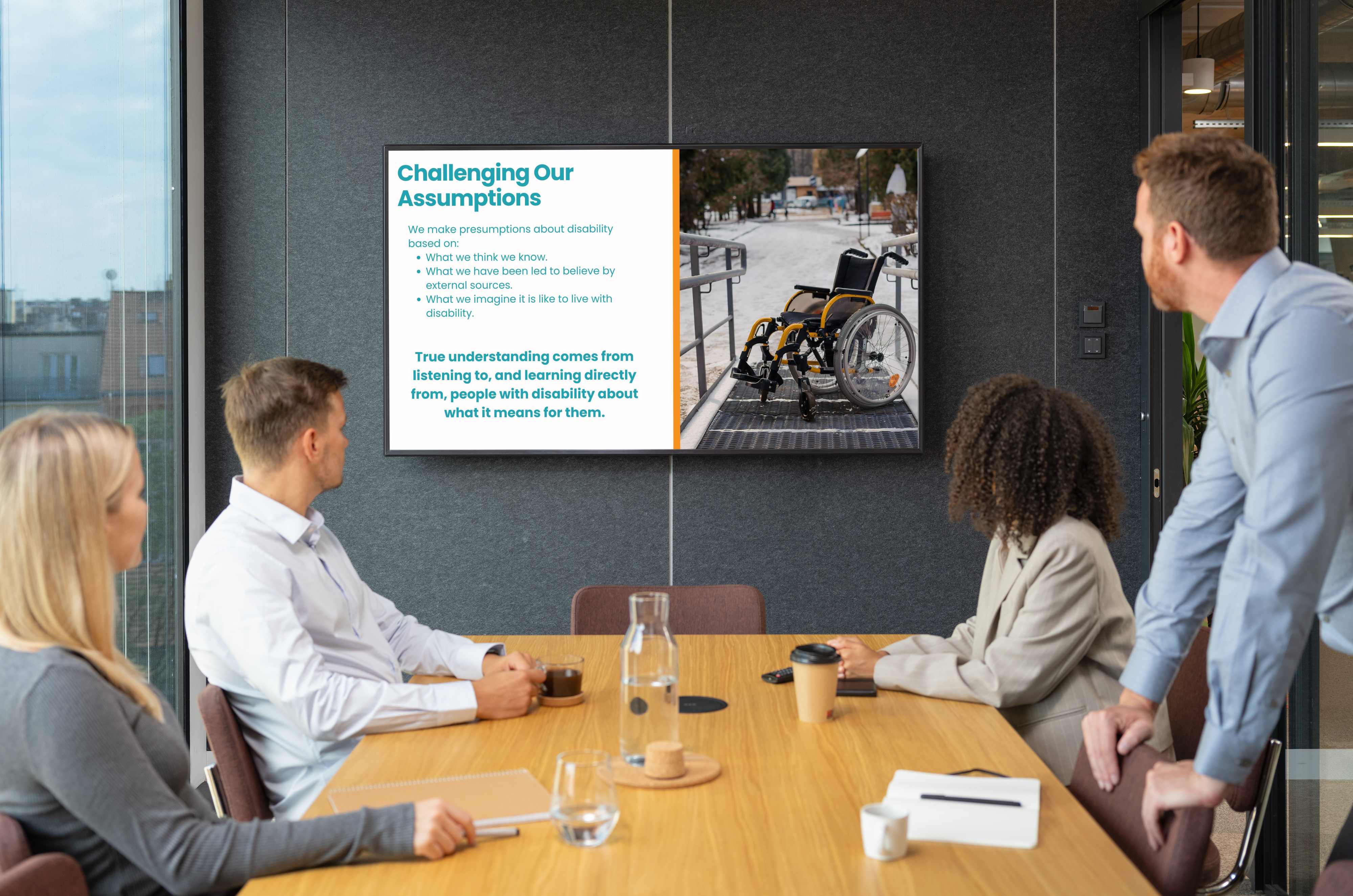
It can also help people see that the problem is not always with them. Sometimes the barrier is the system. Sometimes it is the environment. Sometimes it is poor communication. Sometimes it is low expectations or assumptions about what people with disability can do.
Community connection helps people name those barriers and imagine something better.
Lived experience is powerful
People with disability are experts in their own lives.
This does not mean every person has the same experience. Disability is diverse, and people have different identities, cultures, communication styles, access needs, and goals.
But lived experience brings knowledge that cannot be replaced by policy, theory, or professional opinion alone.
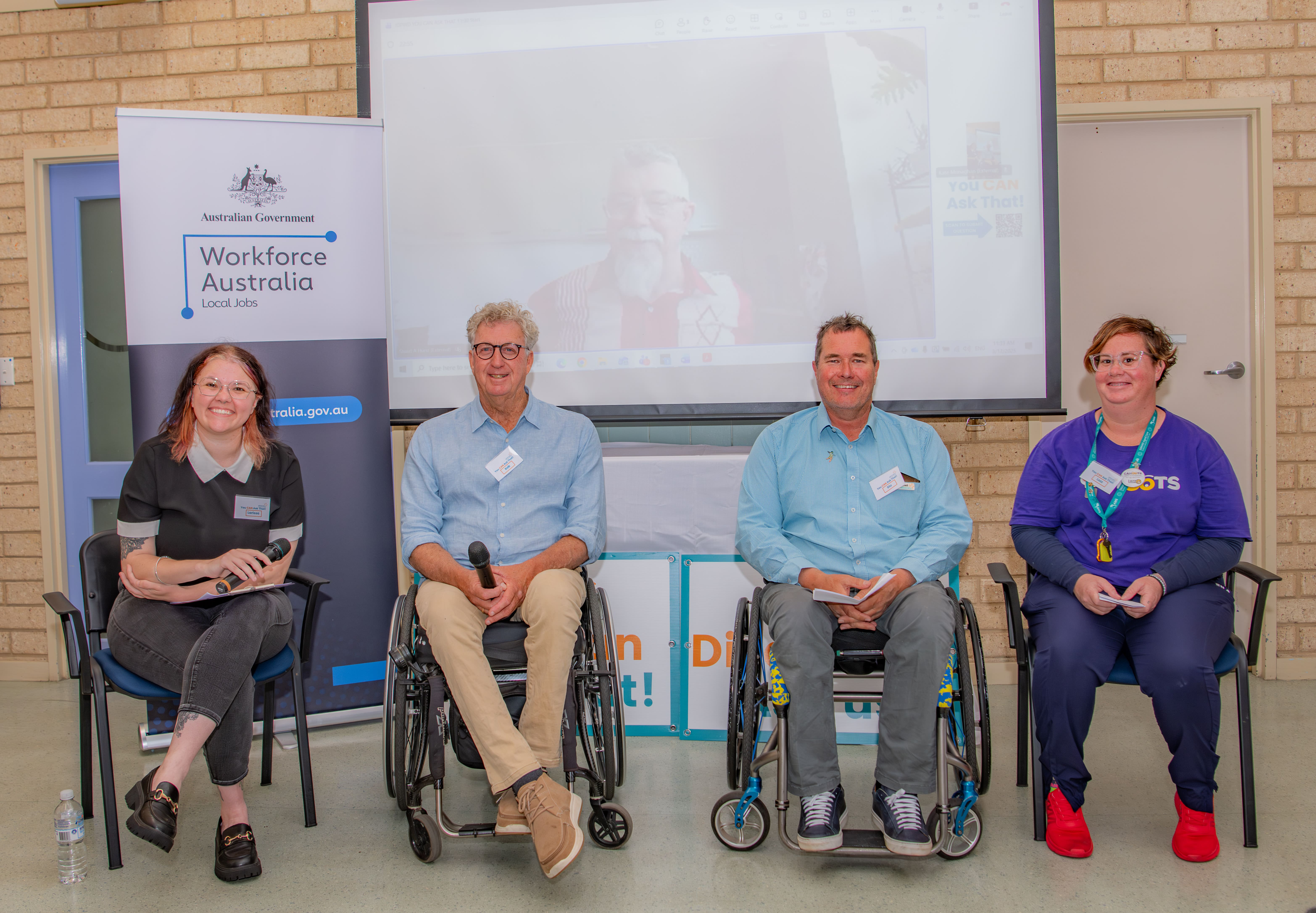
When people with disability share what inclusion feels like, what barriers look like, and what good support means to them, communities learn.
Services learn.
Systems learn.
That knowledge should be respected.
Being your own cheerleader can look different for everyone
There is no one right way to advocate for yourself.
For one person, it might mean speaking confidently in a meeting.
For another person, it might mean writing their thoughts down beforehand.
For someone else, it might mean using pictures, Easy Read information, assistive technology, an interpreter, or a trusted support person.
Some people may need quiet time before answering a question.
Some people may need information sent in advance.
Some people may need someone beside them to help them feel safe.
All of these are valid.
Being your own cheerleader means finding the way that works for you.
Supporters can be cheerleaders too
Families, friends, carers, support workers, providers, and community members can also play an important role.
But being a good supporter does not mean taking over.
It means helping someone understand their options, communicate their views, and stay in control of decisions about their own life.
A good supporter might say:
“What do you want?”
“How can I help you say that?”
“Do you want me to come with you?”
“Do you want me to take notes?”
“Do you want time to think before answering?”
“I will support your choice.”
The best support helps someone’s voice become clearer, not quieter.
Small actions can create change
Big change often starts with small actions.
A person asking for information in plain language.
A family member encouraging someone to make their own choice.
A support worker checking for consent.
A provider changing how they communicate.
A community group making an event more accessible.
A business listening to feedback from people with disability.
A council including lived experience in planning.
These actions may seem small, but they help build communities where people with disability are respected, included, and heard.
A message for anyone learning to speak up
You do not have to be perfect.
You do not have to be loud.
You do not have to do it alone.
Your voice matters even when you feel nervous.
Your questions matter even when the system feels confusing.
Your choices matter even when other people have different opinions.
Your rights matter even when you need support to use them.
You are allowed to take up space.
You are allowed to ask for what you need.
You are allowed to be your own cheerleader.
Final message
Across the South West, people with disability continue to show strength, insight, leadership, and courage.
Every time someone asks a question, shares their story, speaks up about a barrier, or says what they need, they help create change.
At Advocacy WA, we believe people with disability have the right to be heard, respected, and supported to make choices about their own lives.
Being your own cheerleader is not about doing everything alone.
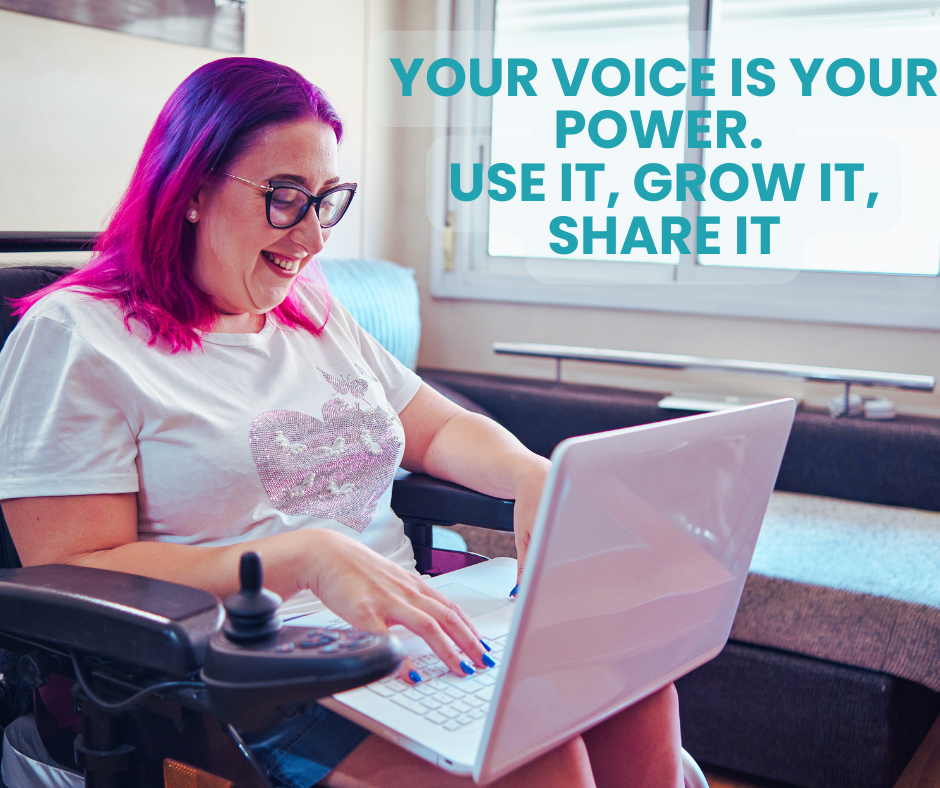
It is about knowing your voice matters, and having the support, information, and confidence to use it.


.png)
.png)
.png)
.png)
.png)


.png)
.png)
.png)
.png)
.png)
.png)
.png)



.png)
.png)

.png)


.png)
.png)
.png)
.png)
.png)

.png)
.png)
.png)
.png)
.png)

.png)
.png)

.png)
.png)