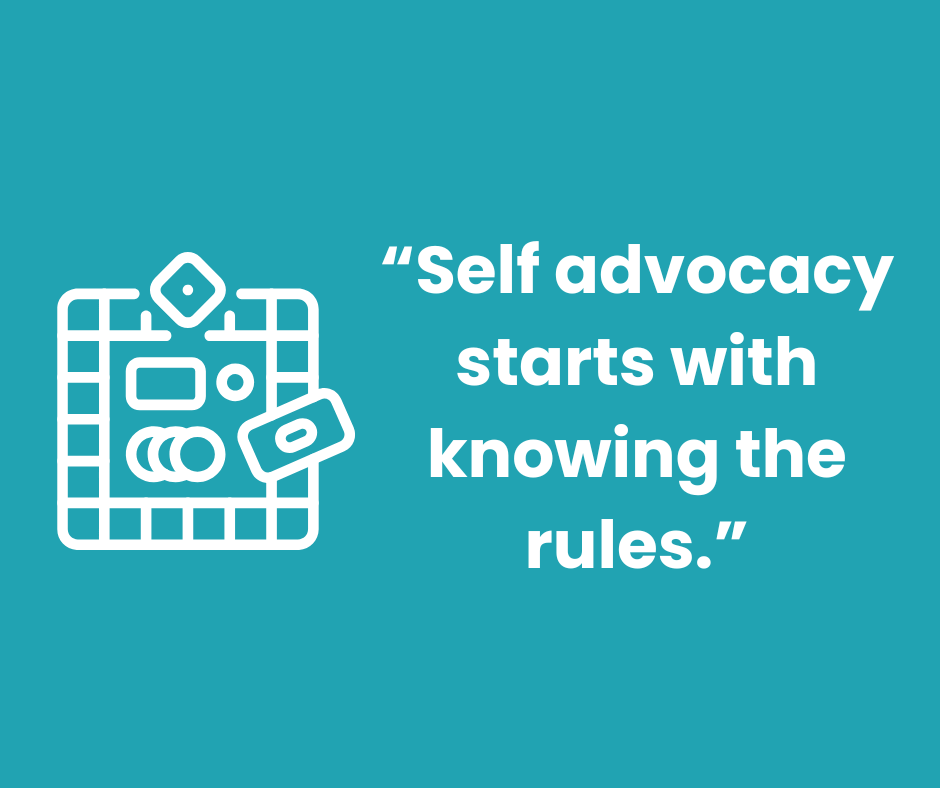
Self advocacy starts with knowing the rules.
Imagine this.
You are sitting around the table playing a game of Monopoly with friends or family. The board is set. The tokens are chosen. The money is stacked neatly in piles.
You roll the dice. You move your piece. You pass Go.
You smile, already reaching for the two hundred dollars.
But the banker says, “Oh, you do not get that.”
You pause.
“Why not?”
“That is just how we are playing.”
Now you are stuck.
You are not sure if that is actually a rule.
You are not sure if you misunderstood.
You are not sure if you should push back.
Do you speak up?
Do you let it go?
Do you second guess yourself?
When you do not know the rules of the game, it becomes very hard to challenge what feels unfair.
Knowing the Rules Changes Everything
Imagine the same situation, but this time you know the rules clearly.
You have read them. You have played before. You are confident.
You respond calmly, “The rules say that every player receives two hundred dollars when they pass Go.”
It is not an argument.
It is not rude.
It is not being difficult
It is simply stating the rules.
That is what self advocacy looks like.
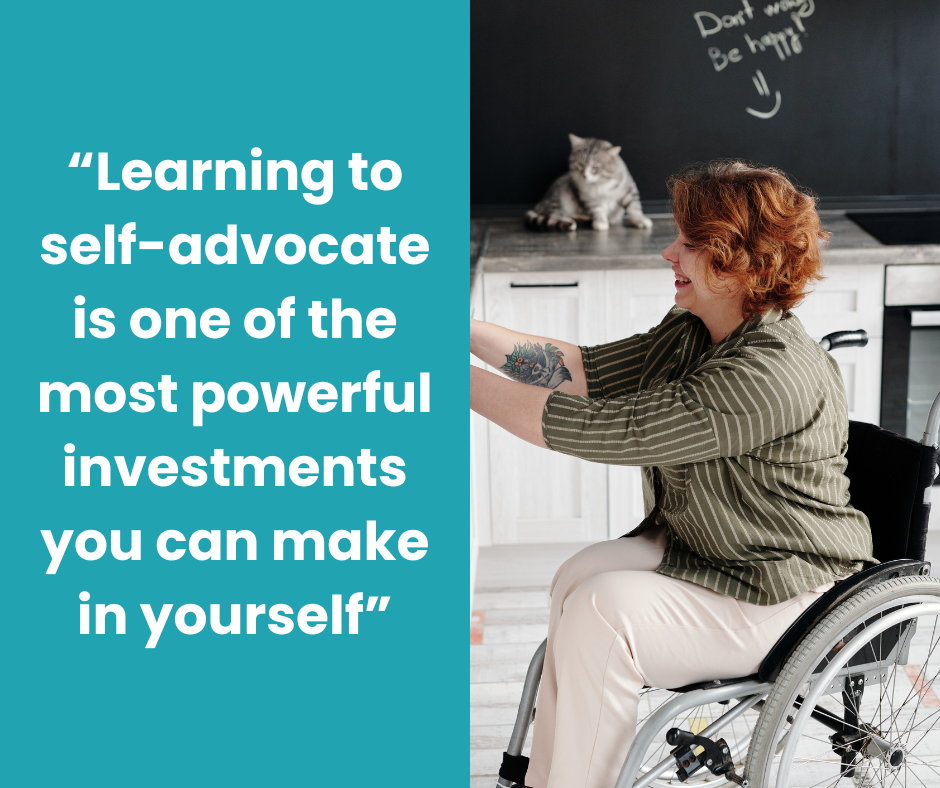
Self advocacy is knowing your rights, understanding how systems work and being able to speak up when something is not fair, not safe or not respectful.
When the System Feels Like a Complicated Board Game
For many people everyday systems can feel like a complex board game where no one has properly explained the rules.
NDIS plans and reviews.
Service agreements.
Centrelink requirements.
Assessments.
Complaints processes.
If information is not clear or not provided in an accessible format, it is easy to feel unsure.
You might think:
“Maybe that is just how it works.”
“I do not want to cause trouble.”
“Maybe I am expecting too much.”
But your rights are not bonuses or lucky chance cards. They are the minimum standards that services and systems must meet.
Self advocacy is not about being difficult. It is about understanding the rules and expecting them to be followed.
What Are You Protected By?
In Australia, people with disability are protected under a number of laws and acts.
This includes:
• The Disability Discrimination Act 1992
• The National Disability Insurance Scheme Act 2013
• State and federal anti discrimination laws
• The United Nations Convention on the Rights of Persons with Disabilities, which Australia has agreed to uphold
These laws protect your right to access services, employment, education and community life without discrimination. They protect your right to dignity, respect and safety. They protect your right to make decisions about your own life.
When you know these protections, it becomes easier to recognise when something is not right and to speak up with confidence.
Learn the Rules So You Can Advocate With Confidence
Self advocacy is a skill. And like any skill, it grows with knowledge and practice.
If you want to learn more about:
• Your rights as a person with disability
• What safe and quality services look like
• How to raise concerns or make a complaint
• How to build confidence in speaking up
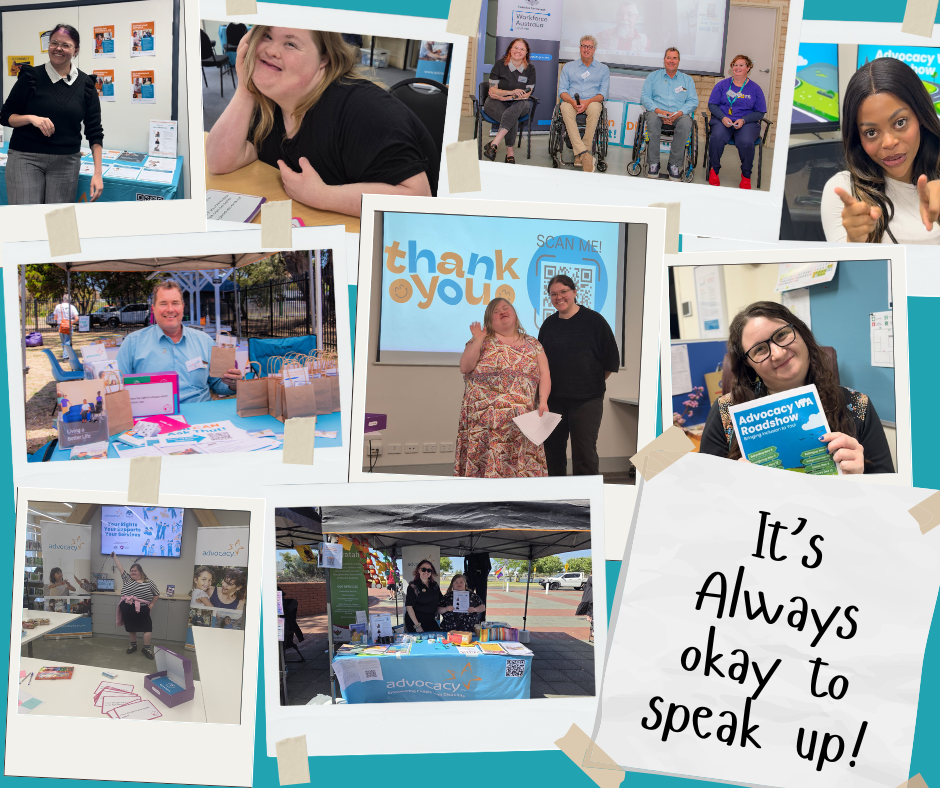
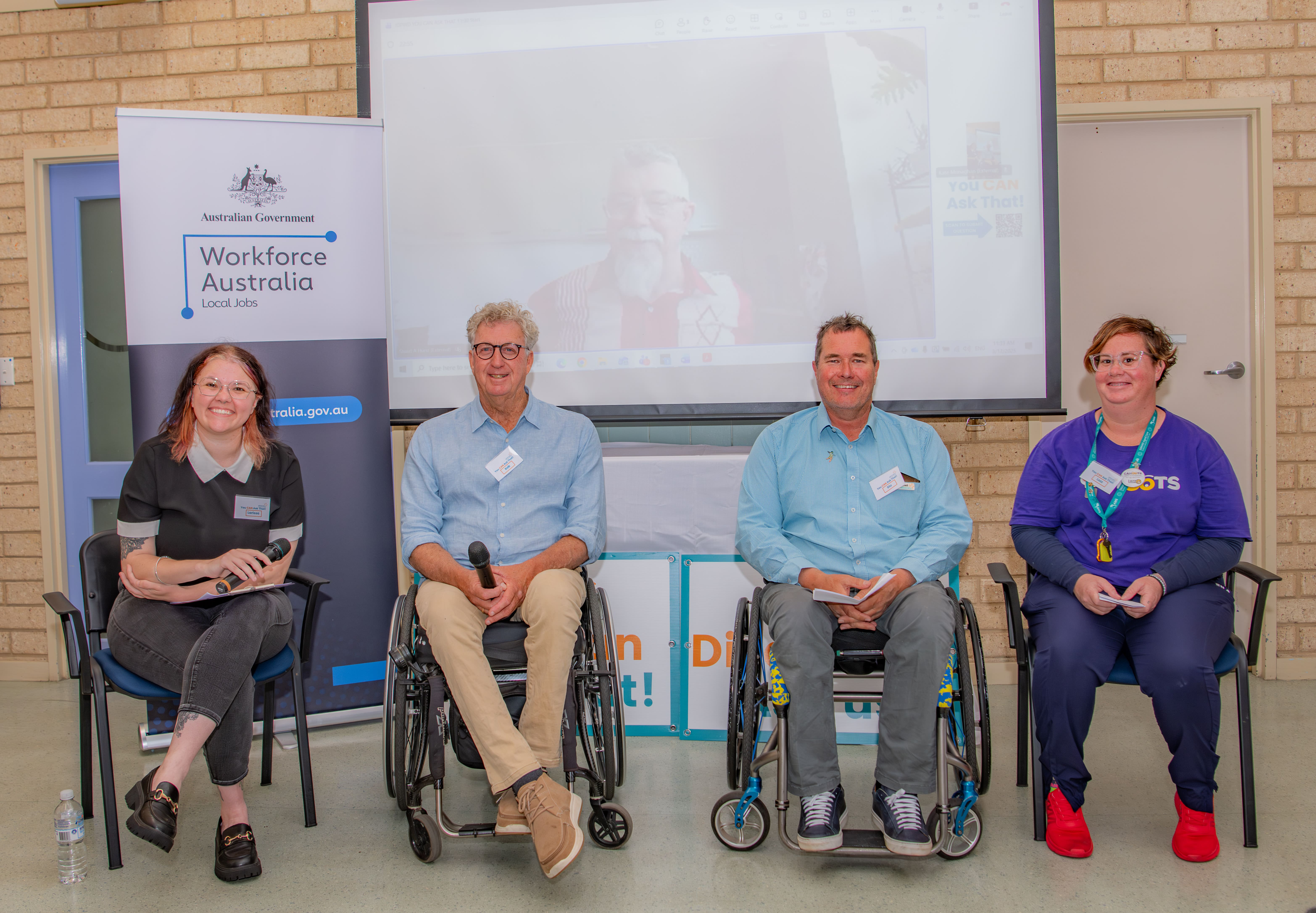
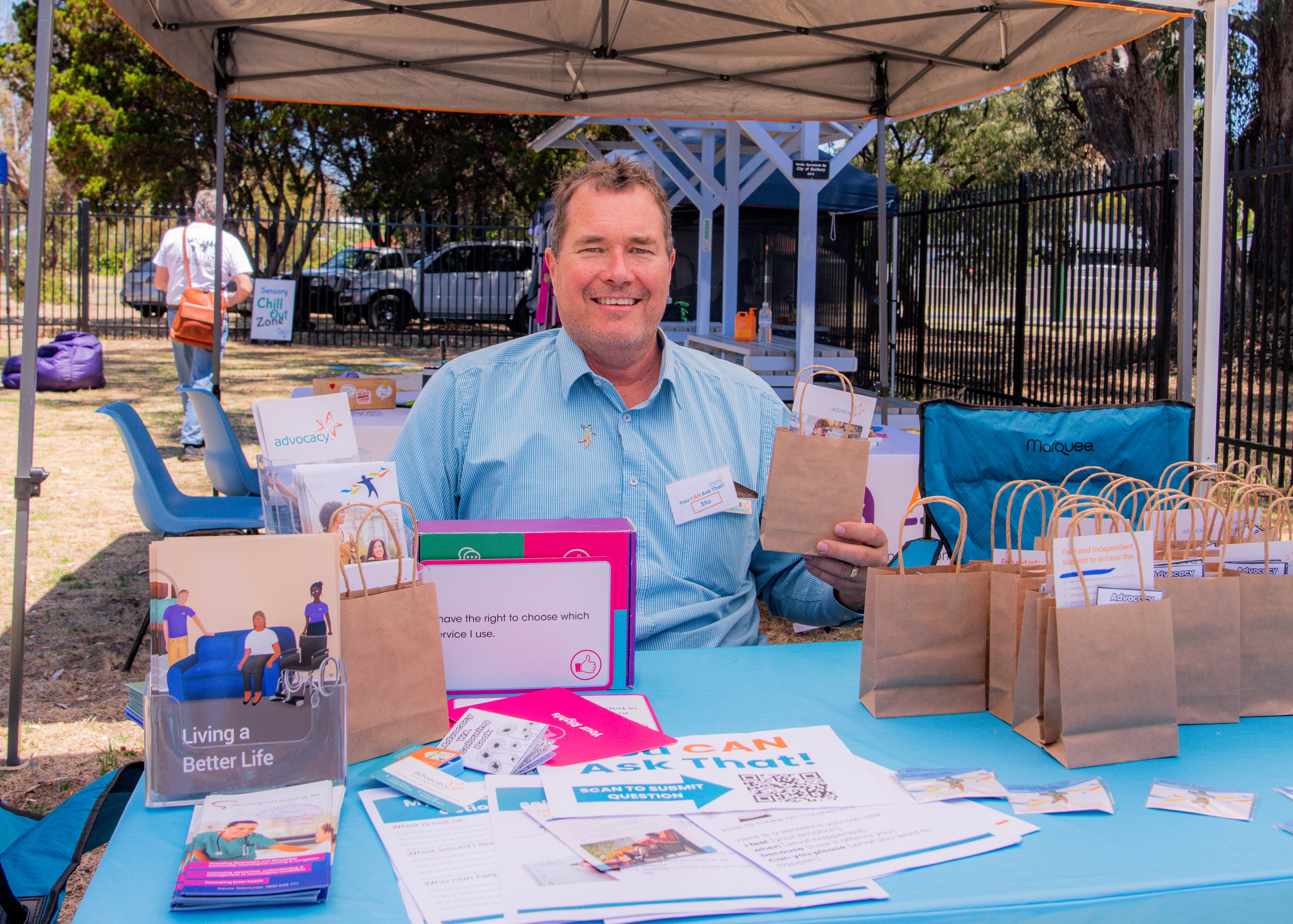
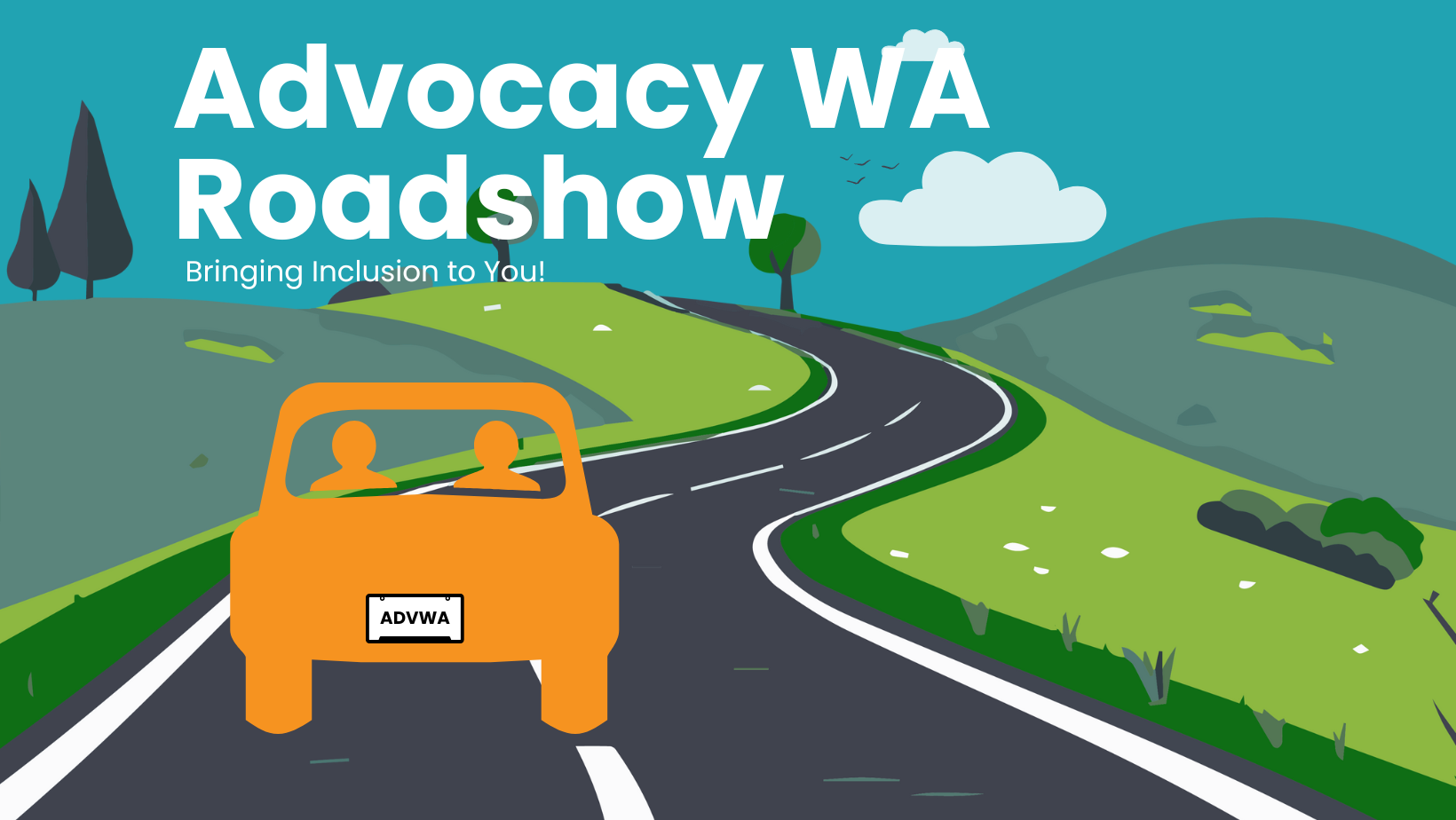
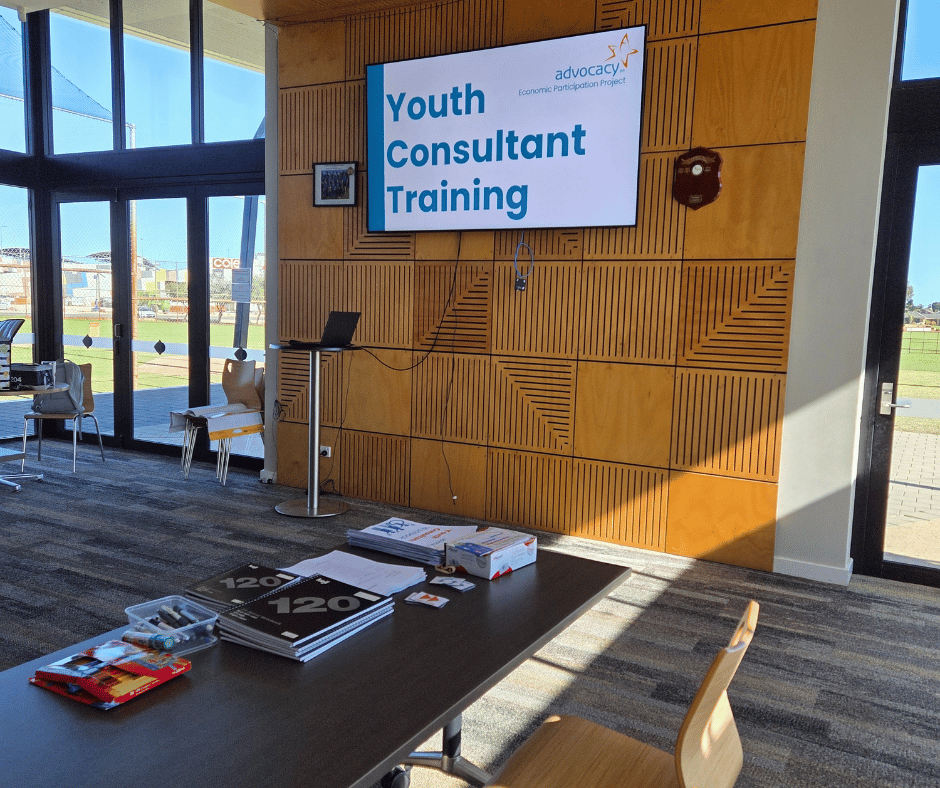
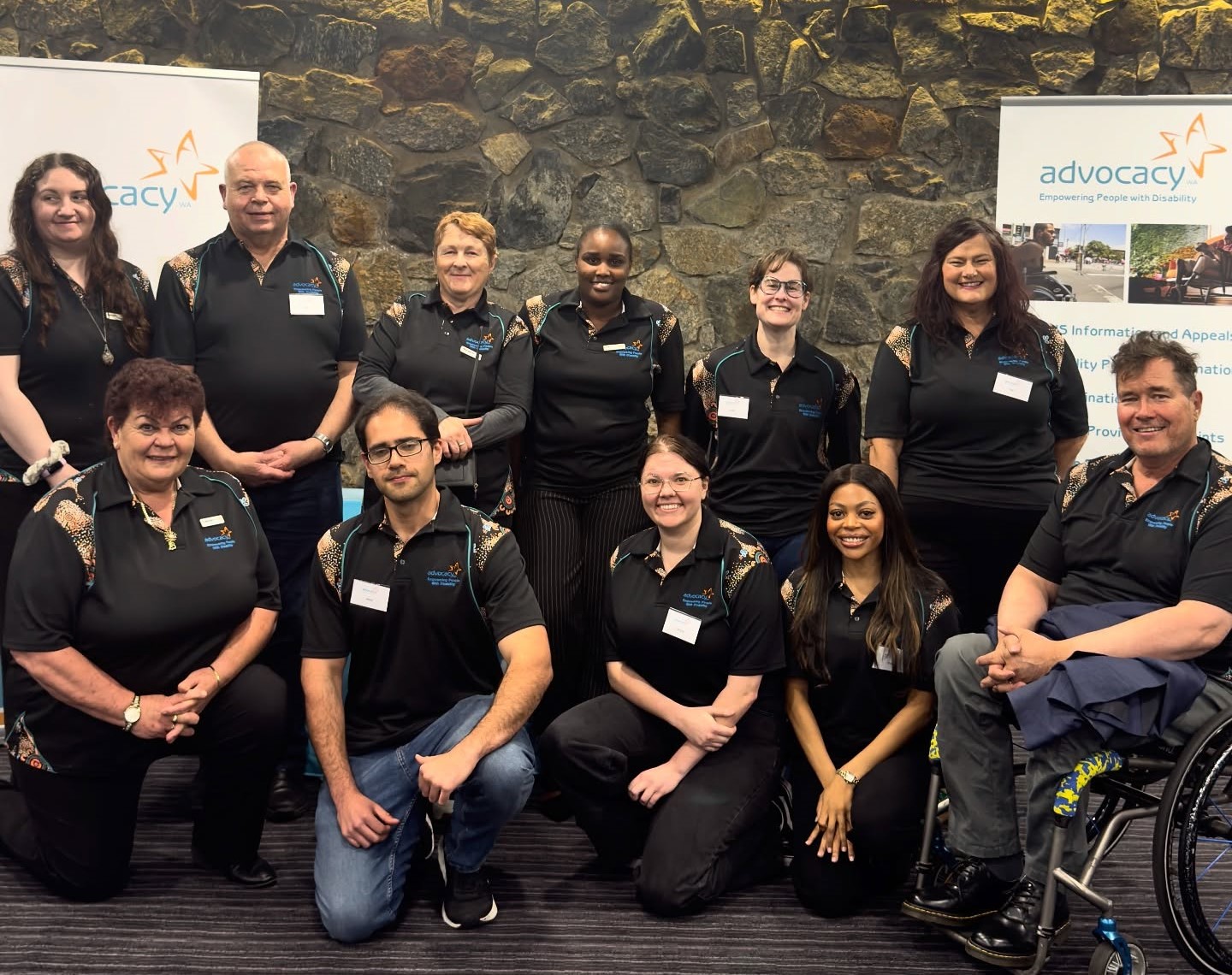
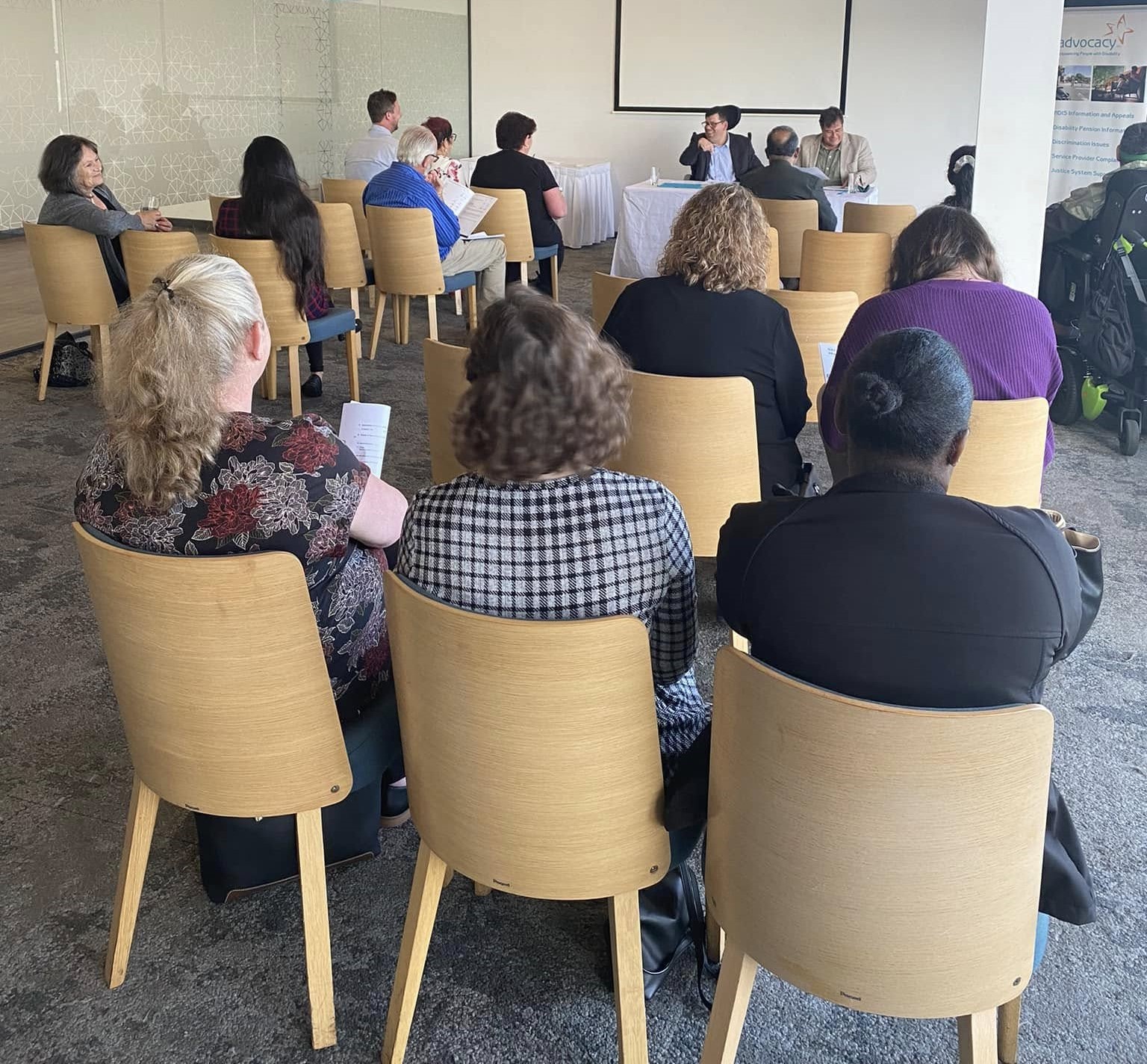
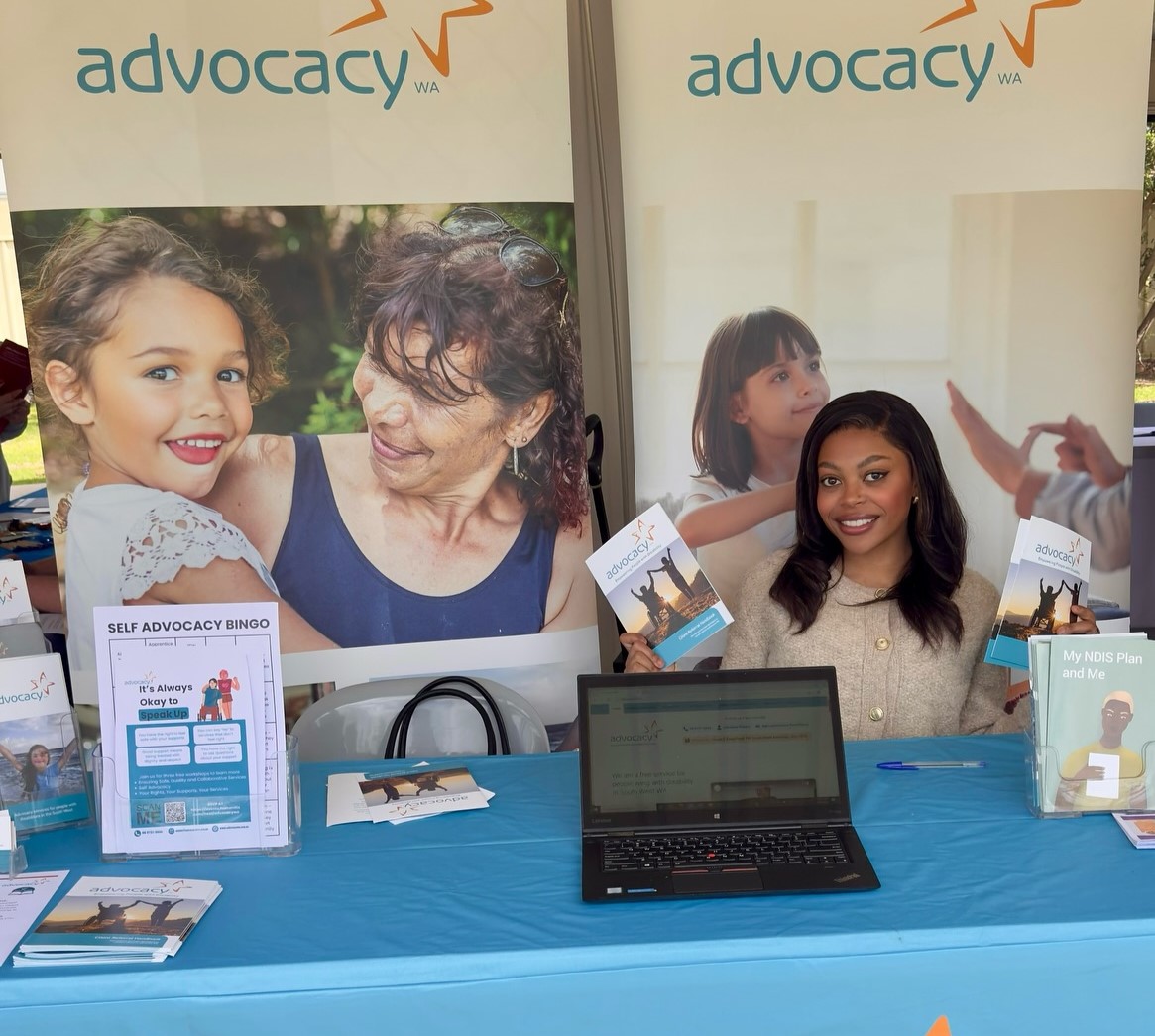
We invite you to attend one of our upcoming Roadshow workshops, where we break down complex information into practical, easy to understand sessions grounded in lived experience.
You can also sign up for our on demand learning modules, designed to be accessible and relevant to real life situations.
Because when you know the rules of the game, you do not have to guess.
You do not have to shrink yourself.
You do not have to accept less than what you are entitled to.
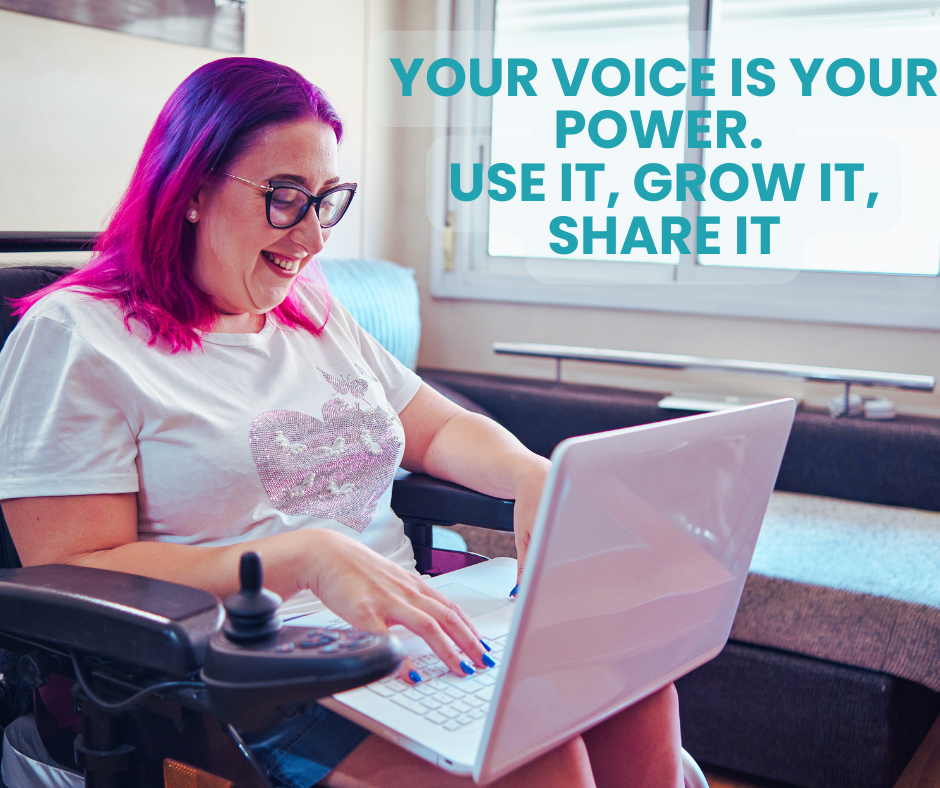
You can advocate with clarity, confidence and strength.
And you deserve your two hundred dollars when you pass Go.


.png)
.png)
.png)
.png)
.png)



.png)
.png)
.png)
.png)
.png)
.png)
.png)



.png)


.png)




.png)



.png)
.png)
.png)

.png)
.png)


.png)
.png)
.png)
.png)
.png)

.png)

.png)

.png)

.png)