What Is Self-Advocacy and Why Does It Matter?
Self-advocacy means speaking up for yourself.
It means understanding your rights, knowing what matters to you, and being able to communicate your needs, choices, concerns, and goals.
Self-advocacy does not mean you have to do everything alone. You can still ask for help. You can still have family, friends, support workers, advocates, or trusted people beside you.
Self-advocacy means your voice stays at the centre.
Self-advocacy is about having a say
Everyone has the right to make choices about their own life.
For people with disability, this can sometimes be made harder by systems, services, attitudes, or people who make decisions without listening properly.
Self-advocacy helps people speak up about what they want, what they need, and what does not feel right.
It can be as simple as saying:
“I need more time.”
“I do not understand this.”
“I want to choose.”
“That does not feel okay.”
“I need this information in a different way.”
“I want someone I trust with me.”
These are all examples of self-advocacy.
Why does self-advocacy matter?
Self-advocacy matters because people with disability have the right to be heard.
When people understand their rights and feel more confident to speak up, they are more likely to have choice and control in their own lives.
Self-advocacy can help people:
make informed decisions
ask questions
set boundaries
raise concerns
make complaints
prepare for meetings
understand services and supports
ask for reasonable adjustments
share what good support looks like for them
Self-advocacy can also help stop small problems from becoming bigger problems.
When people feel able to say something early, services and supports have a better chance to listen, respond, and improve.
Self-advocacy is not about being difficult
Sometimes people worry they will be seen as rude, demanding, or difficult if they speak up.
But asking questions is not being difficult.
Saying no is not being difficult.
Wanting to understand your rights is not being difficult.
Speaking up when something feels wrong is not being difficult.
Self-advocacy is about being involved in decisions that affect your life. It is about being treated with dignity, respect, and fairness.
Self-advocacy can look different for everyone
There is no one right way to self-advocate.
Some people speak up in meetings.
Some people write things down.
Some people use communication devices, pictures, Easy Read information, interpreters, or support people.
Some people need time to process information before making decisions.
Some people prefer to practise what they want to say before a conversation.
All of these are valid.
Self-advocacy should work for the person, not the other way around.
You can have support to self-advocate
Self-advocacy does not mean you are on your own.
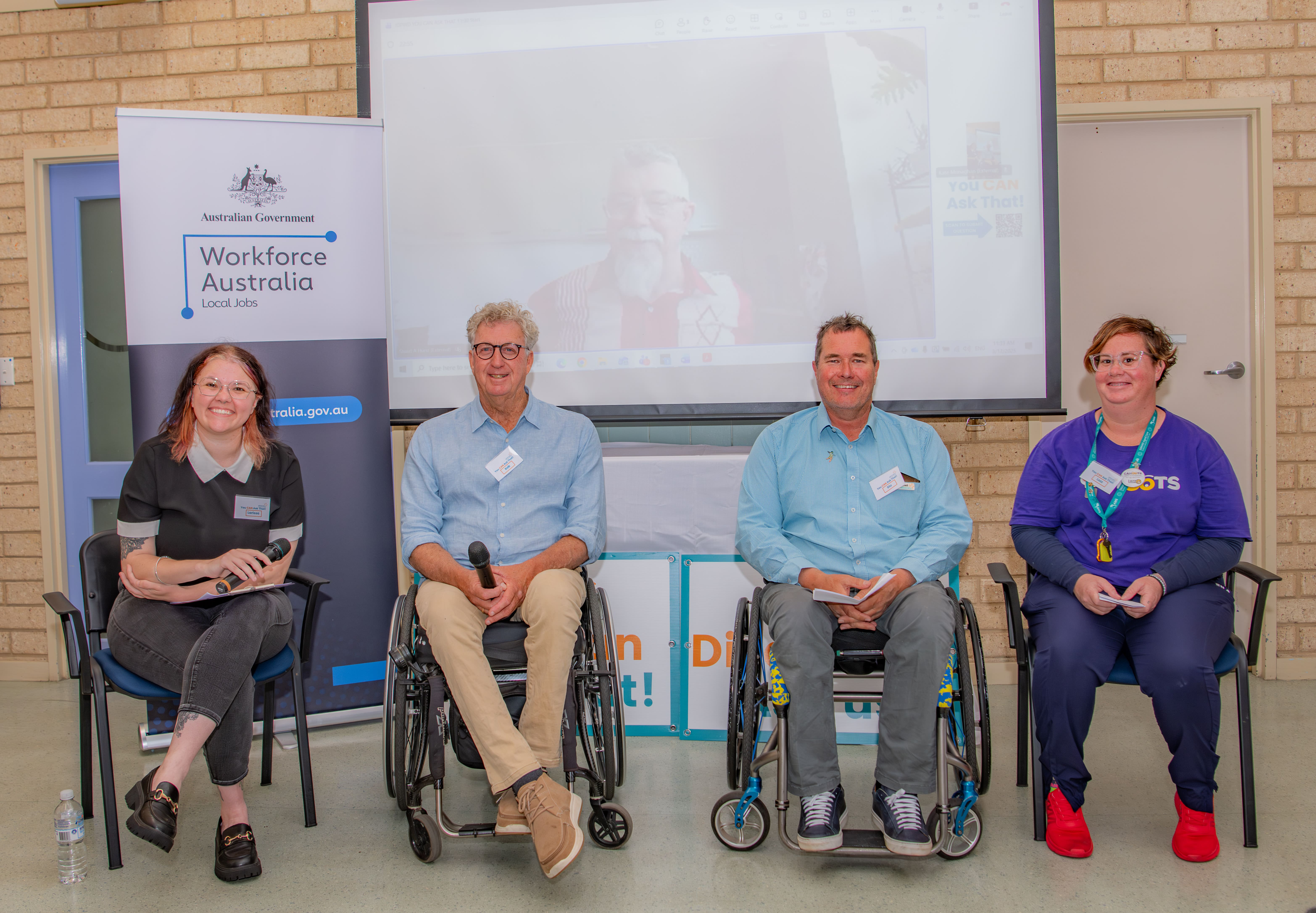
A trusted person can help you prepare, understand information, think through your options, or speak up in a meeting.
This is different from someone taking over.
Good support helps you use your voice. It does not replace your voice.
A support person might help by:
writing notes with you
helping you make a list of questions
reading information with you
helping you practise what to say
coming to a meeting with you
reminding others to speak directly to you
checking that you understand what has been said
asking for information to be explained in a clearer way
The most important thing is that you stay involved in decisions about your life.
A simple self-advocacy tool
Before a meeting, phone call, appointment, or important conversation, it can help to think about four questions.
What is happening?
What do I want to say?
What outcome do I want?
Who can support me?
Writing down the answers can make the conversation feel easier.
You might also want to write down:
the questions you want to ask
anything you do not understand
what has already happened
what you want to change
what you would like the person or service to do next
You do not need to have perfect words. You just need a starting point.
When something does not feel right
Self-advocacy is especially important when something does not feel safe, respectful, or fair.
You might need to speak up if:
you are not being listened to
your choices are being ignored
you feel unsafe with a support worker or service
people are making decisions without you
you do not understand information you have been given
you are being treated differently because of your disability
your privacy or dignity is not being respected
you want to make a complaint
If something feels wrong, it is okay to ask for help.
You can talk to someone you trust, contact an advocacy organisation, or make a complaint to the service or relevant complaints body.
Self-advocacy builds confidence
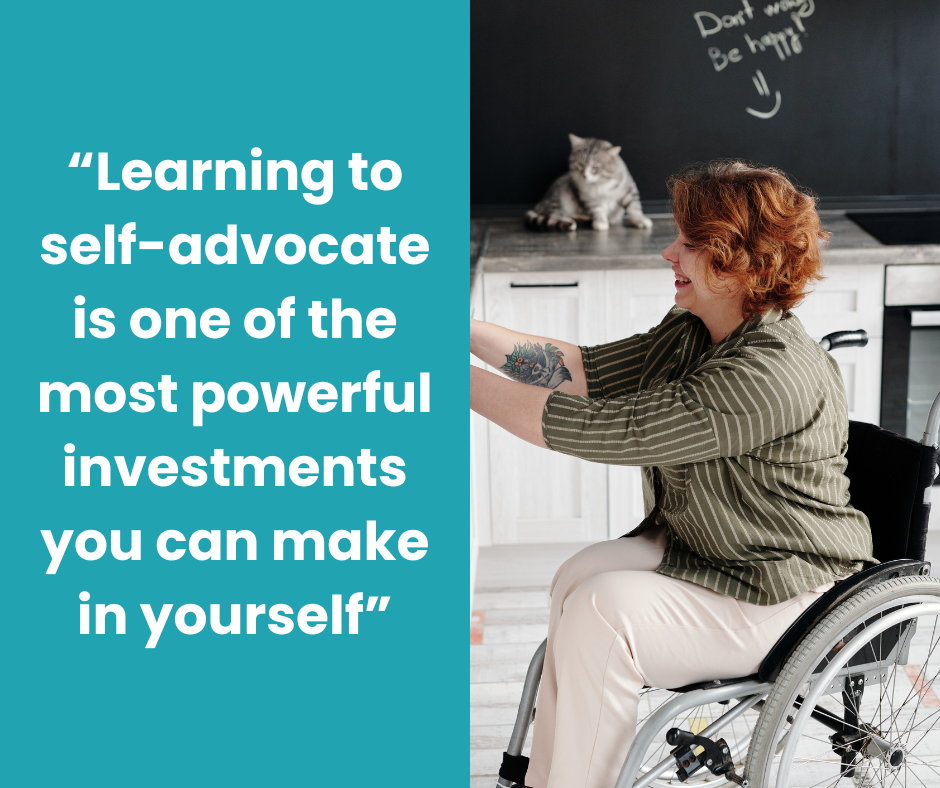
Self-advocacy is a skill. Like any skill, it can grow with practice.
The first time someone speaks up, it might feel hard. Over time, it can become easier.
Small steps matter.
Asking one question is self-advocacy.
Saying what you prefer is self-advocacy.
Bringing someone you trust to a meeting is self-advocacy.
Asking for information in Easy Read is self-advocacy.
Taking time to make a decision is self-advocacy.
Every time a person is supported to use their voice, it helps build confidence, independence, and control.
Self-advocacy creates change
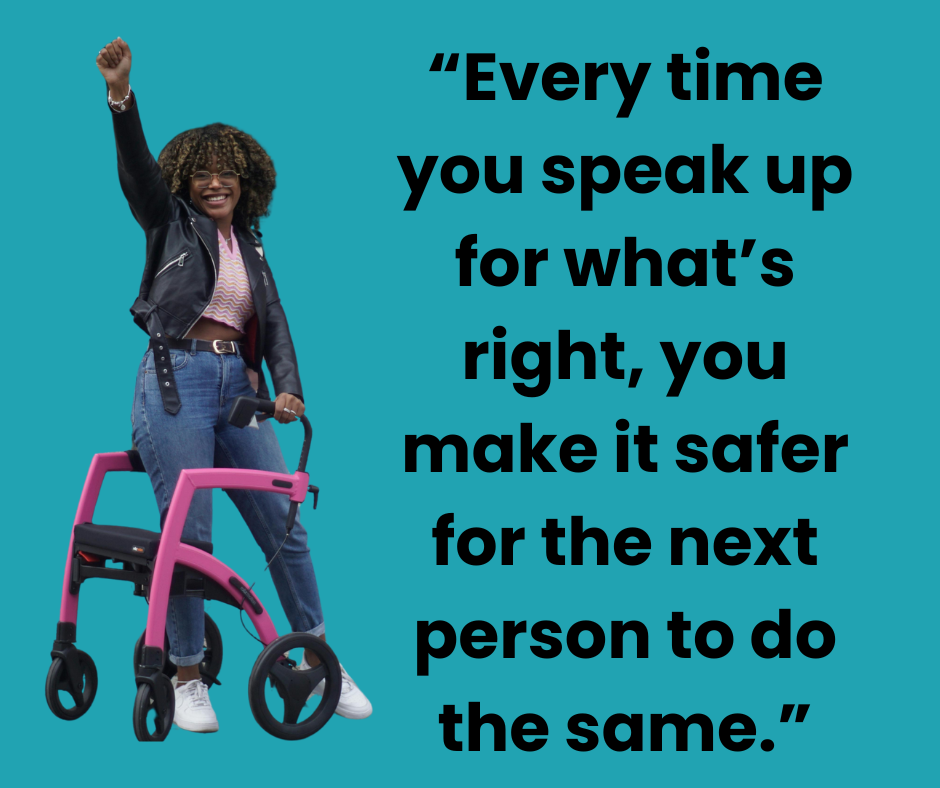
Self-advocacy does not only help individuals. It can also help make services, systems, and communities better.
When people with disability share their experiences, they help others understand what needs to change.
This can lead to better communication, safer services, more accessible information, improved buildings and events, stronger complaints processes, and more inclusive communities.
People with disability are experts in their own lives.
When their voices are heard, everyone benefits.
Final message
Self-advocacy is about knowing your rights, using your voice, and having a say in decisions that affect your life.
It does not mean doing everything alone.
It means your choices, needs, goals, and concerns matter.
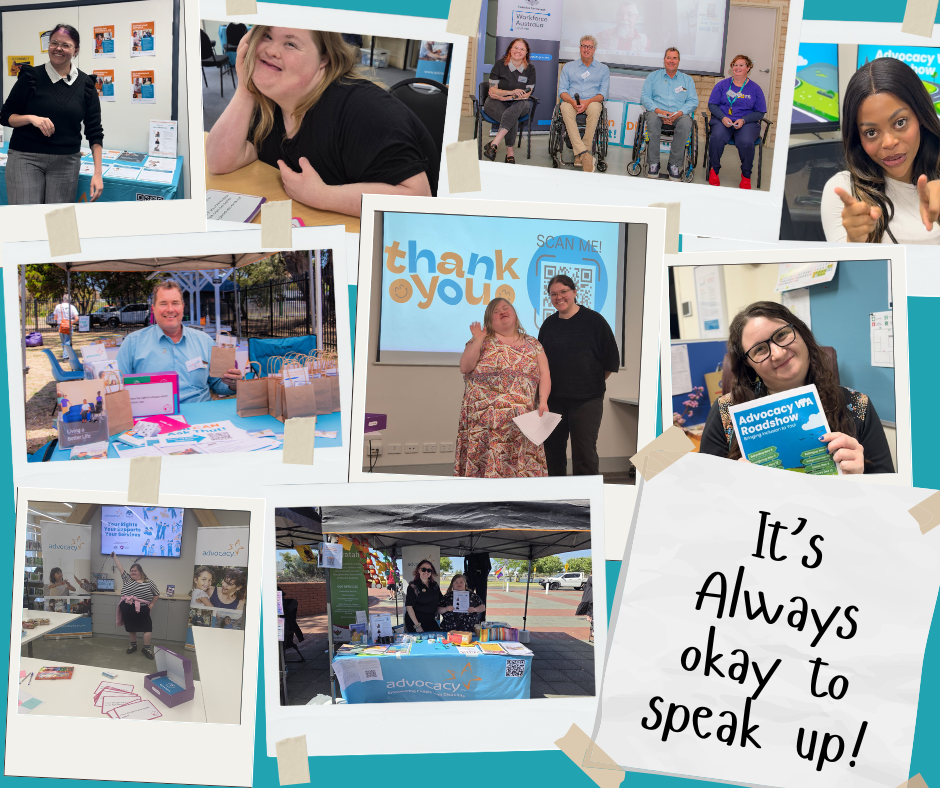
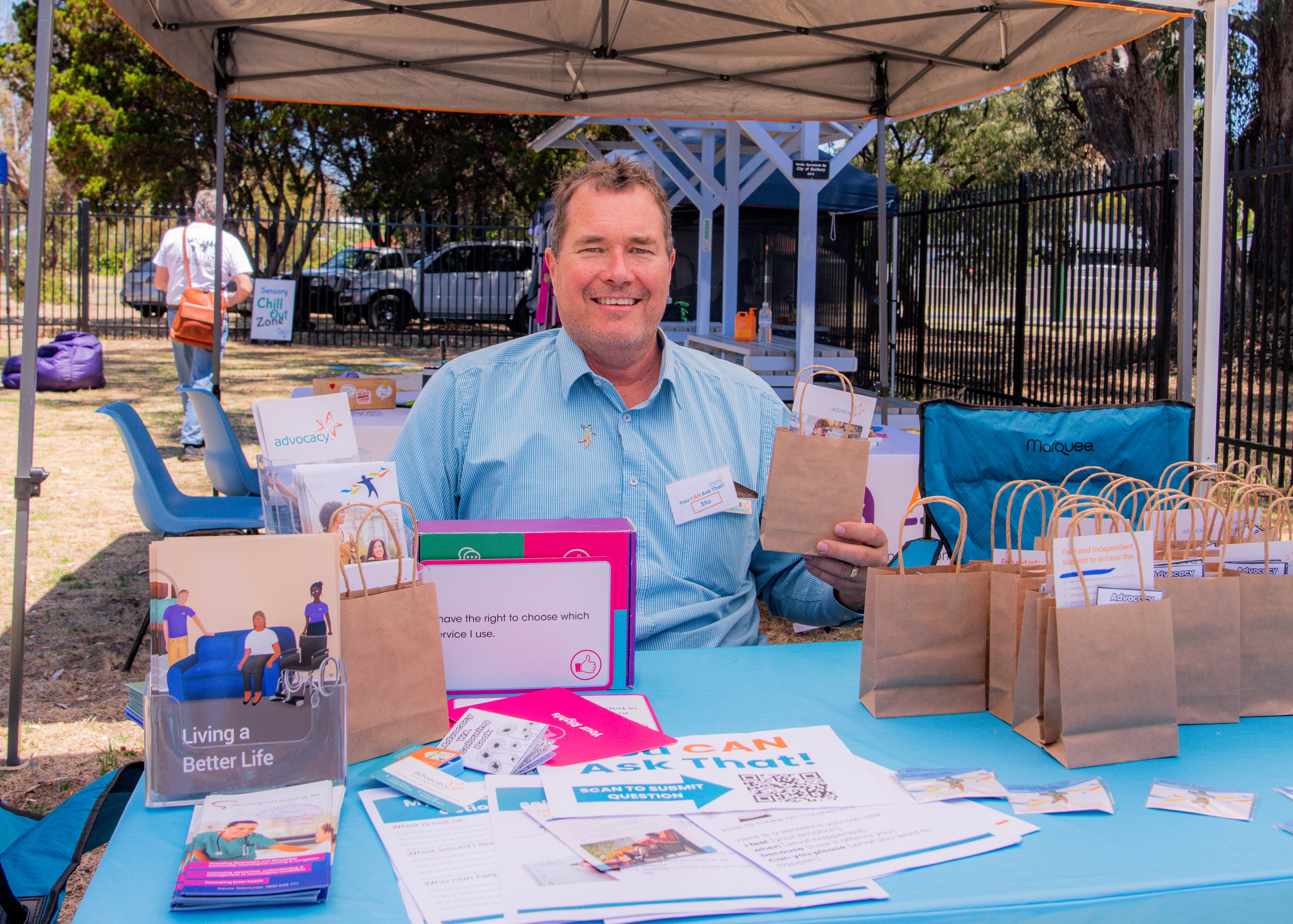
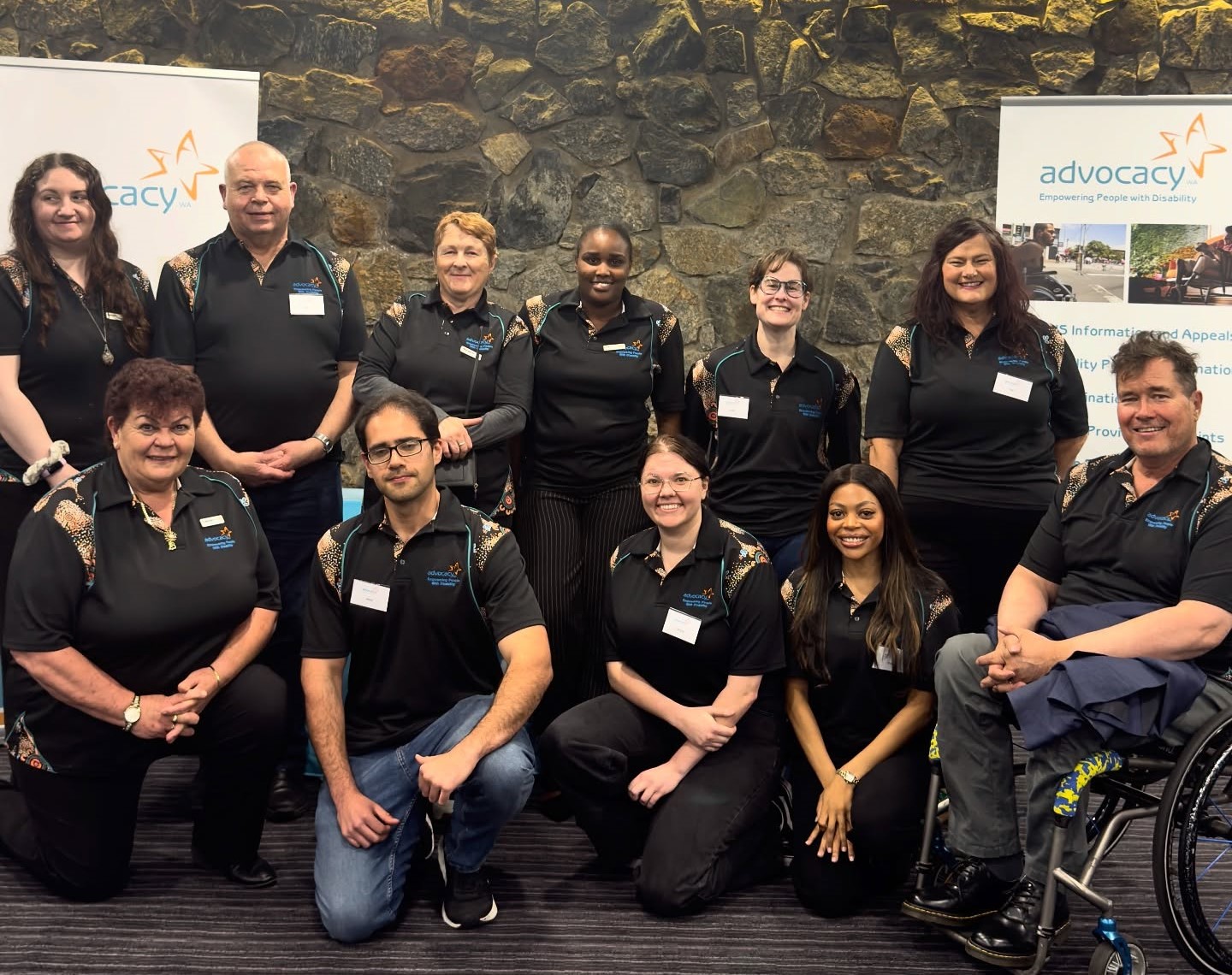
At Advocacy WA, we believe people with disability have the right to be heard, respected, and supported to speak up in ways that work for them.


.png)
.png)
.png)
.png)
.png)


.png)
.png)
.png)
.png)
.png)
.png)
.png)



.png)

.png)




.png)


.png)
.png)
.png)

.png)
.png)

.png)
.png)
.png)
.png)
.png)

.png)


.png)

.png)

.png)